The Maldives' currency is the rufiyaa (MVR), divided into 100 laari. Through mid-2026 one US dollar bought roughly 15.4 to 15.5 rufiyaa, and the rate barely moves — the central bank has kept it close to 15.42 for years. But the currency you will actually use depends almost entirely on where you sleep.
At a resort: US dollars and a card
Resorts price everything — the villa, meals, drinks, excursions, the spa — in US dollars, and most resort guests never touch a rufiyaa note. The usual pattern is to sign everything to your villa and settle the whole bill at checkout with a credit card. Visa and Mastercard are accepted at virtually every resort; American Express at many, but not all, so check before you rely on it. Taxes and a service charge are added on top of menu prices and itemised on the bill.
Two things are worth sorting before you fly. If your card charges a foreign-transaction fee — typically 1–3% — it applies to that whole checkout total, so a no-fee card earns its place in your wallet. And if you booked a package, the villa, meal plan and transfers are usually prepaid: the checkout bill is only what you added on the island.
Cash: small US dollar notes, mostly for tips
You need very little cash at a resort, but a stack of small US dollar notes is useful for tipping — the butler, the boat crew, the dive guide. Bring clean, undamaged notes: torn, marked or very old bills can be refused at exchange desks in the Maldives.
Tipping is not compulsory. A service charge is already on the bill, so a tip is a thank-you rather than an obligation. Many guests leave something for the people who looked after them at the end of the stay, either in cash or by adding it to the checkout bill.
Malé, the airport and local islands: rufiyaa
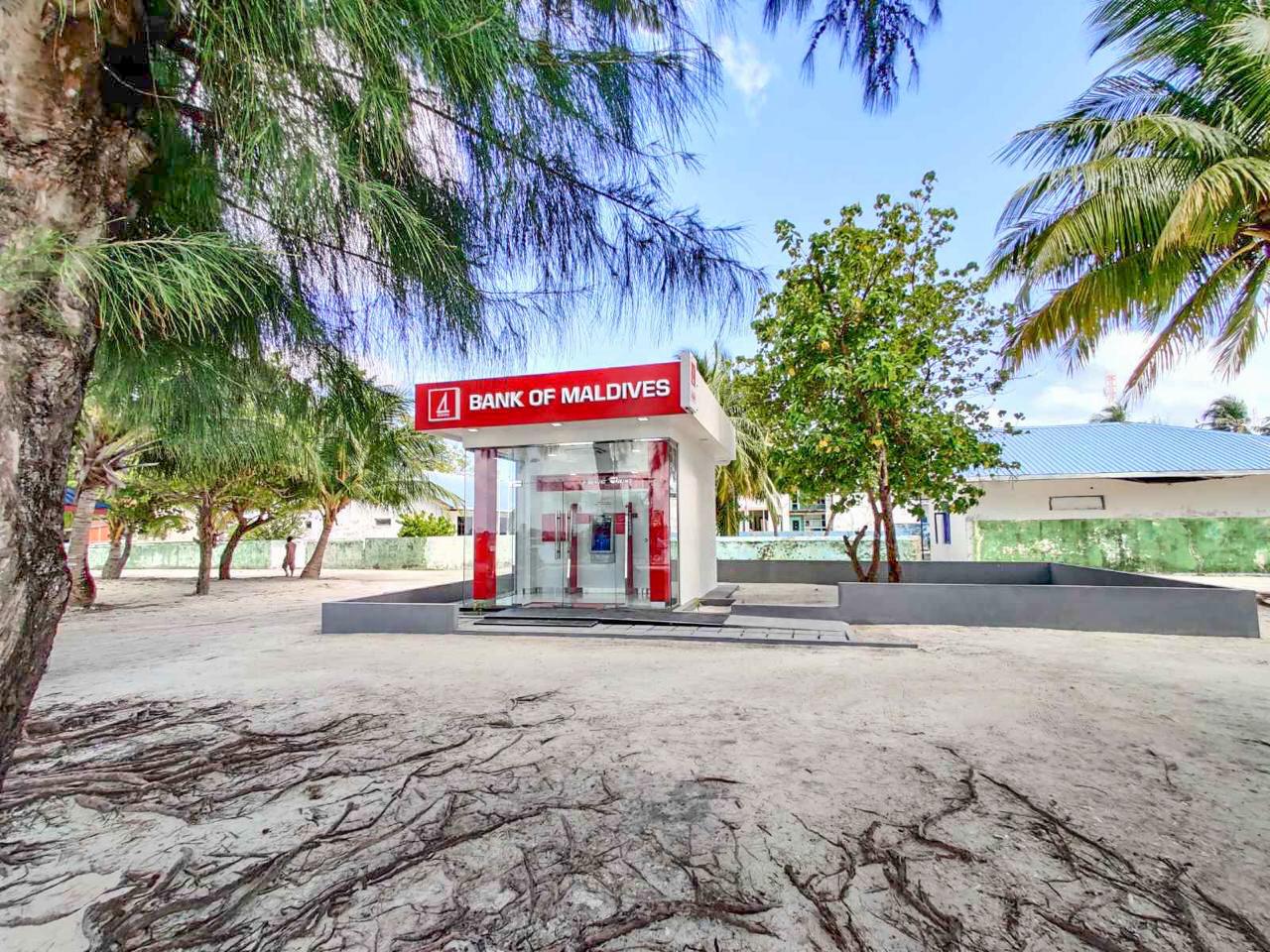
Off the resort, rufiyaa matters more. Cafés, shops, ferries and taxis in Malé and on local islands price in rufiyaa. Dollars are often accepted, but your change will usually come back in rufiyaa, at the shop's own rate. ATMs are concentrated in Malé, Hulhumalé and at Velana airport; on local islands they can be scarce or missing altogether.
Withdraw only what you will spend. Changing rufiyaa back into dollars is restricted, so leftover notes are hard to get rid of — and you will not need them at a resort or on the flight home.
The September 2026 rule change
From 1 September 2026, an amendment to the Foreign Currency Act requires resorts to convert 40% of their foreign-currency revenue into rufiyaa through Maldivian banks, at the official rate, and to process card payments through terminals linked to local banks. It is aimed at the country's shortage of dollars, not at guests: you still pay in dollars or by card, exactly as before. If a resort's card terminal or receipt now shows a Maldivian bank's name, this is why.
| Where | What to use | Good to know |
|---|---|---|
| Resort | Card at checkout, or US dollars | Everything is priced in dollars; taxes and service charge are itemised |
| Tips | Small US dollar notes | Optional — a service charge is already on the bill |
| Malé and local islands | Rufiyaa (dollars often accepted) | Change usually comes back in rufiyaa |
| ATMs | Malé, Hulhumalé, Velana airport | Scarce on local islands; withdraw only what you will spend |
Currency is the small print of a Maldives budget; the big numbers are the villa, the meal plan and the transfer. Our Maldives trip cost guide breaks those down with real prices, in US dollars, so you know what the checkout bill will be built from.