
Field Notes from the Maldives
Long-form stories from the reef and the channels — wildlife, science and the islands behind them. Reported, not promoted.
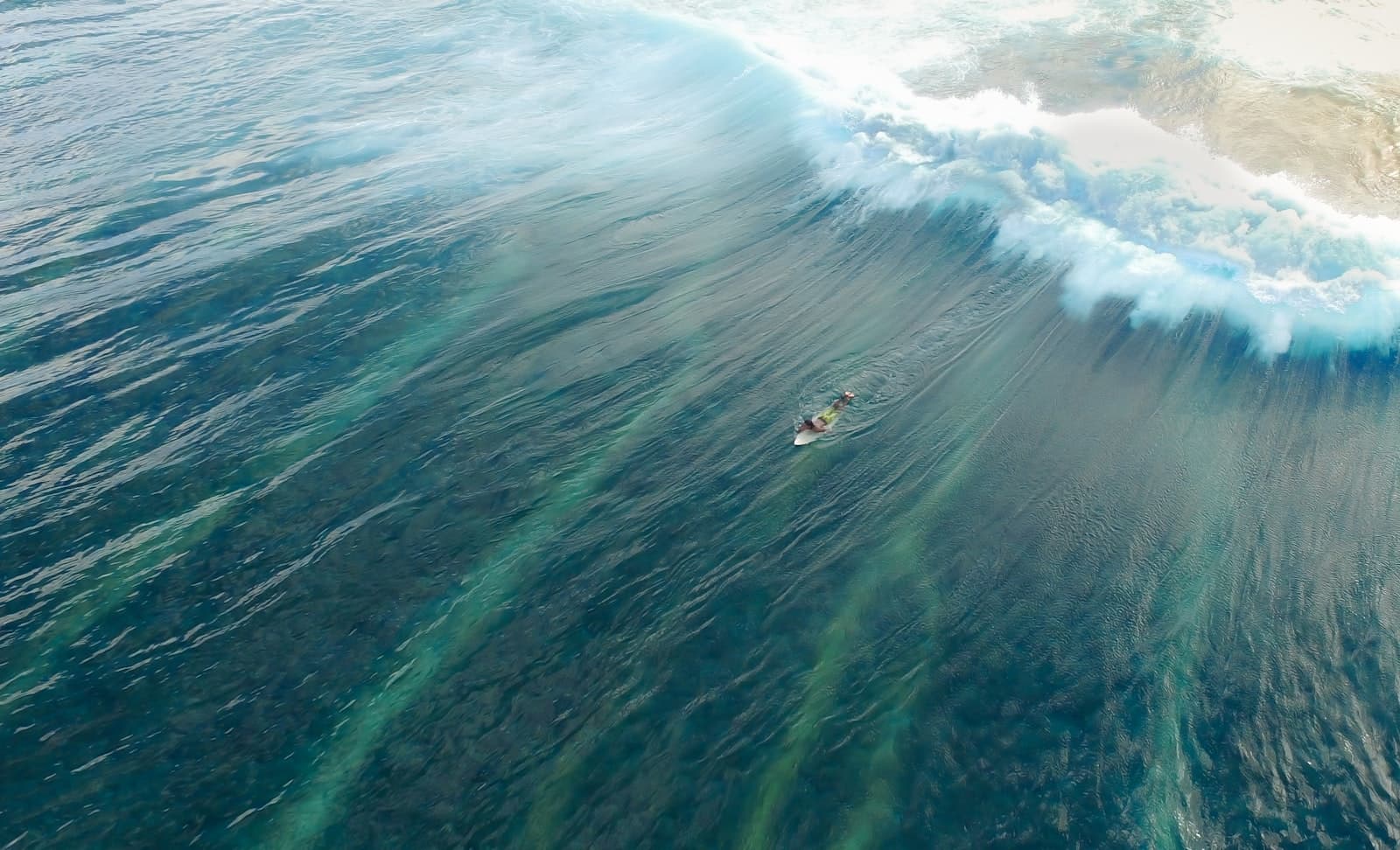
Warm water, perfect reef points and, if you charter right, no crowd at all. The story of Maldives surf — from a 1973 shipwreck to today's exclusive-access breaks — and how to score it.
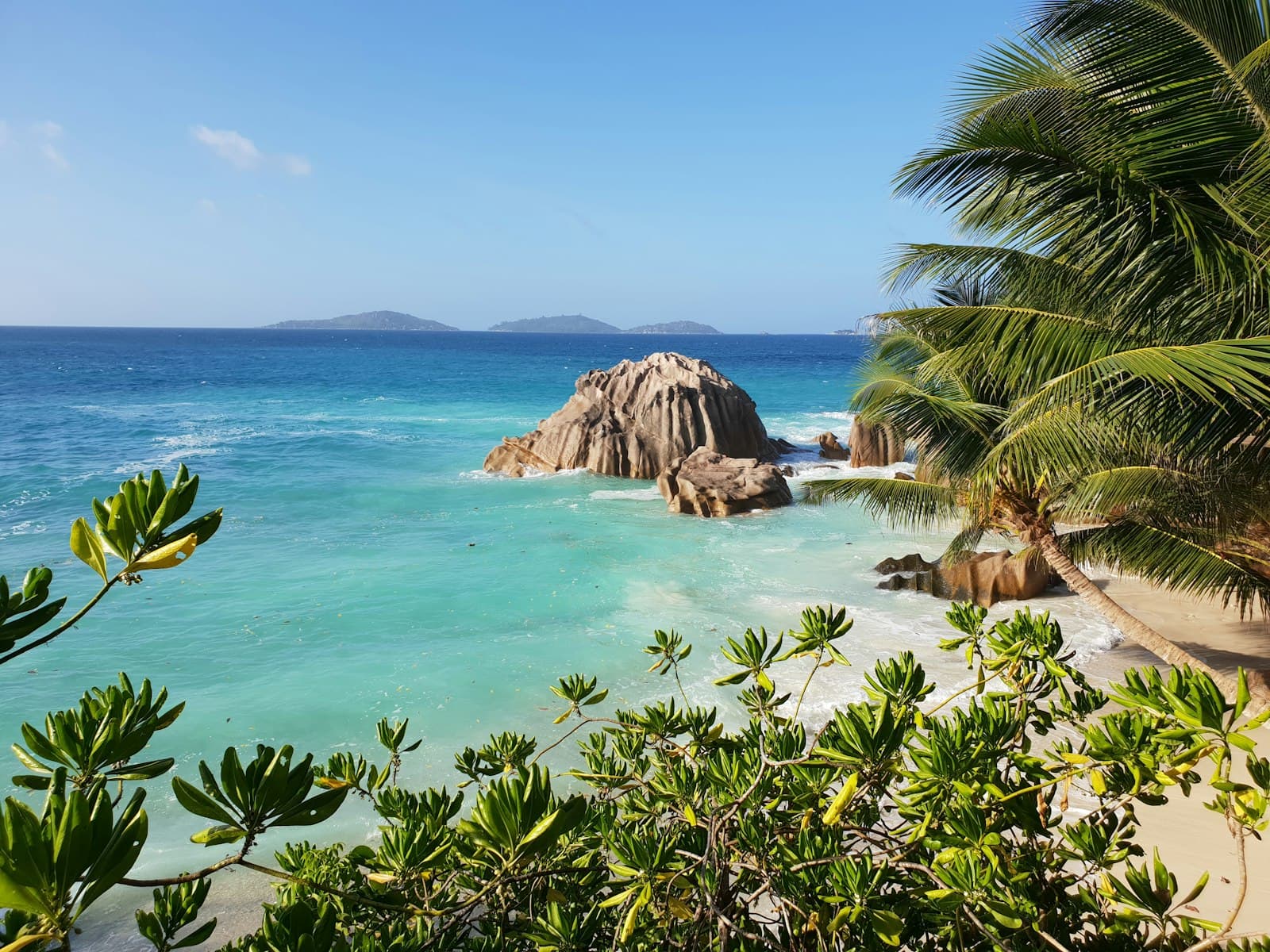
Coral versus granite. One is the world's great overwater cocoon; the other is the more beautiful, more varied, go-and-do-something island chain. The honest case for each.
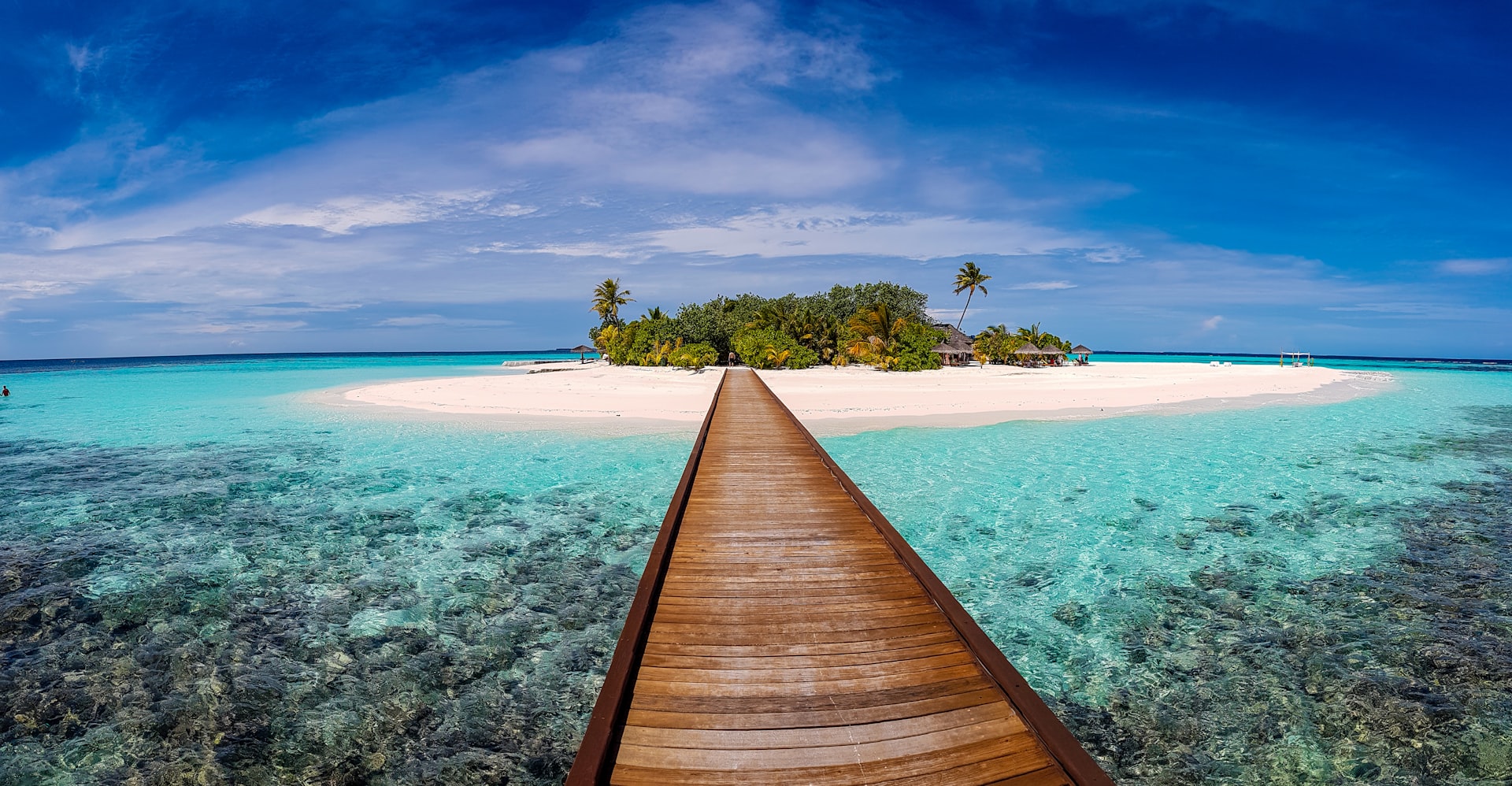
One of the safest beach destinations in the world — but not for the reasons most people assume, and not without a few real risks worth understanding before you go.
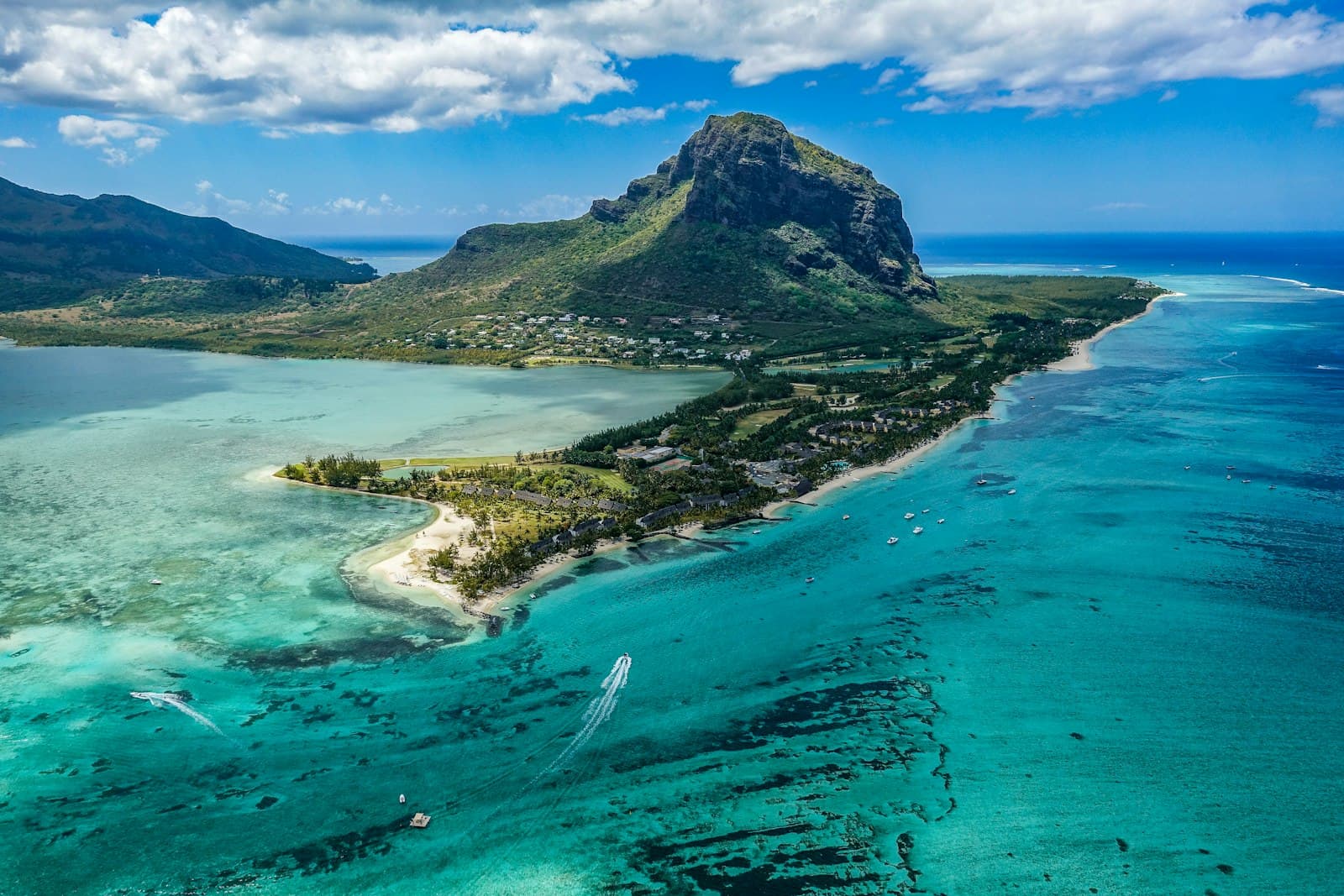
Two Indian Ocean icons lumped together because both have white sand — but they sell opposite holidays. One is an overwater cocoon; the other is a do-everything island. Here's how to choose.
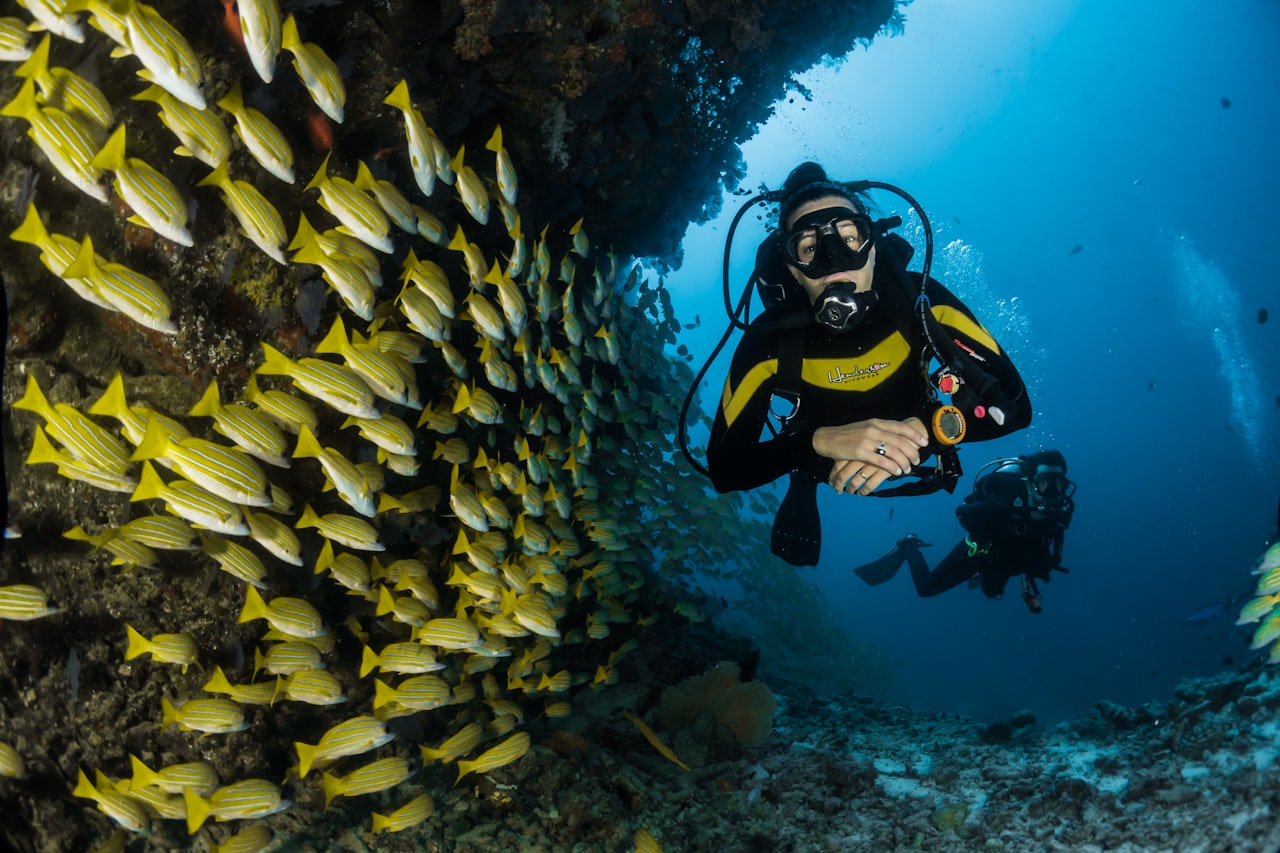
Three or four dives a day, a new atoll each morning, and the channels, wrecks and shark-stacked passes no resort can reach. What a Maldives liveaboard is — and who it's for.
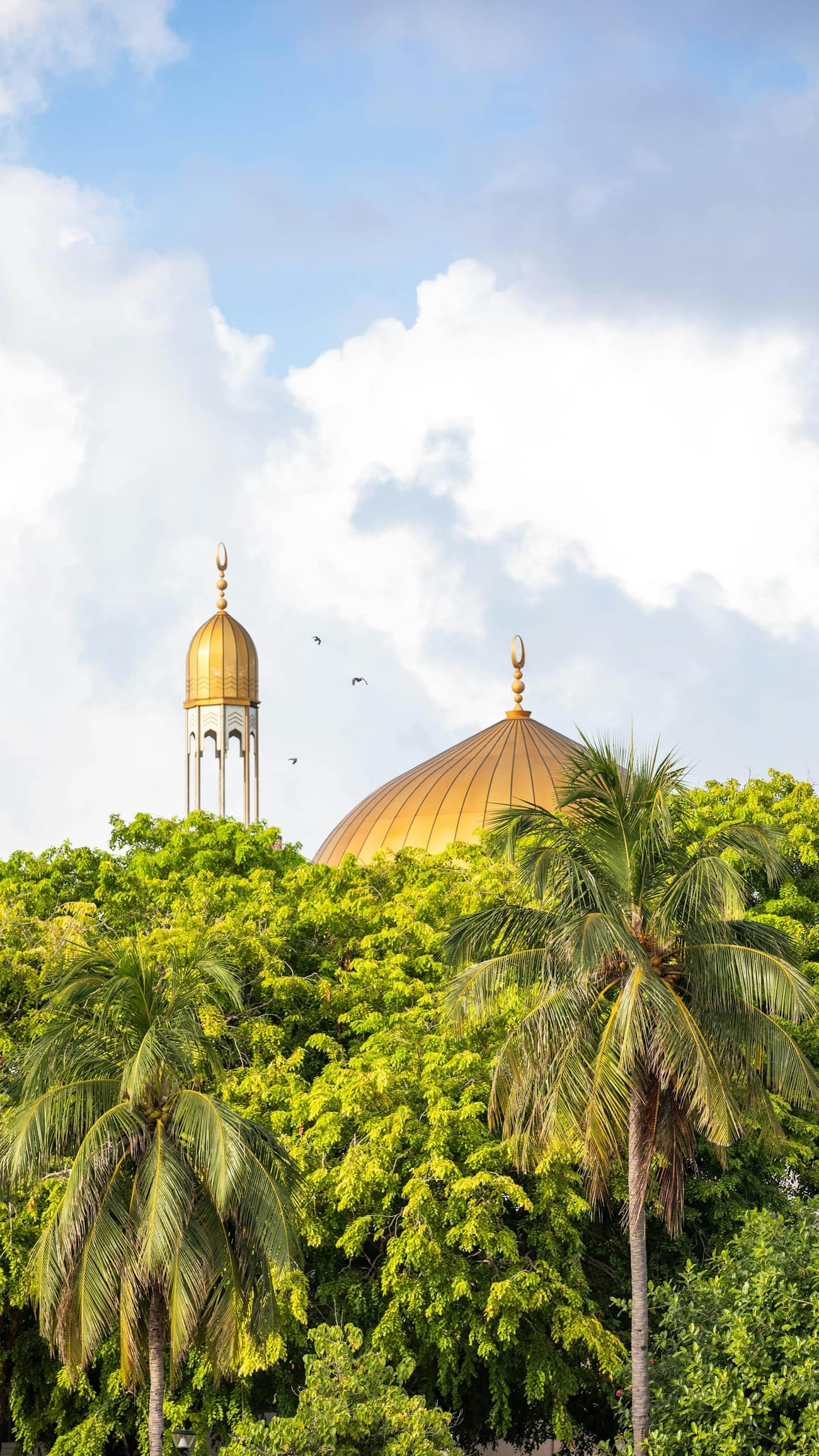
The Maldives is one of the most religiously uniform countries on Earth — the only one whose constitution bars non-Muslims from citizenship. What that means, and what it means for your trip.
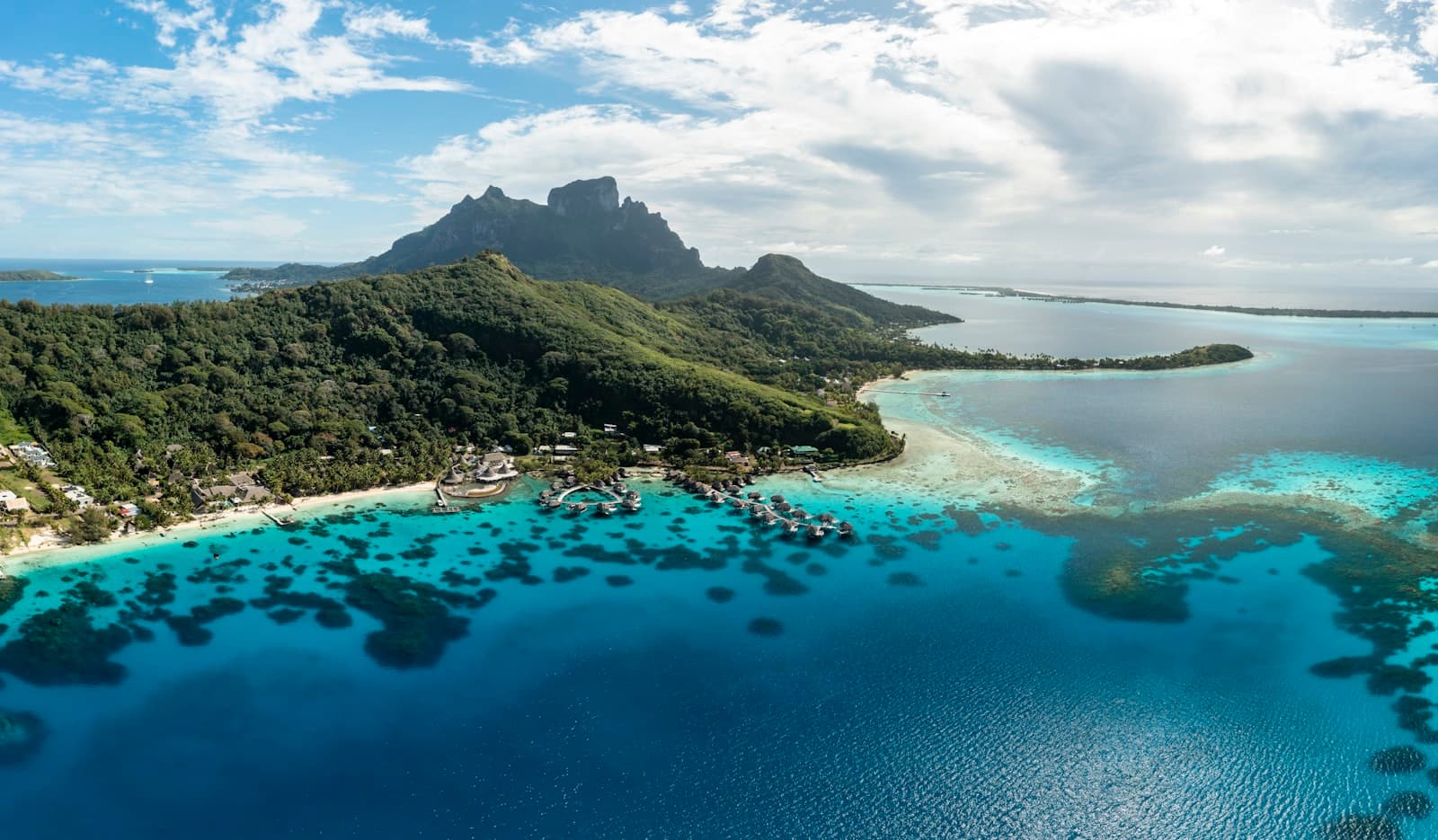
The two most romanticised overwater-bungalow destinations on Earth win on different things. One owns the scenery; the other owns the marine life, the choice and the access. Here's how to decide.
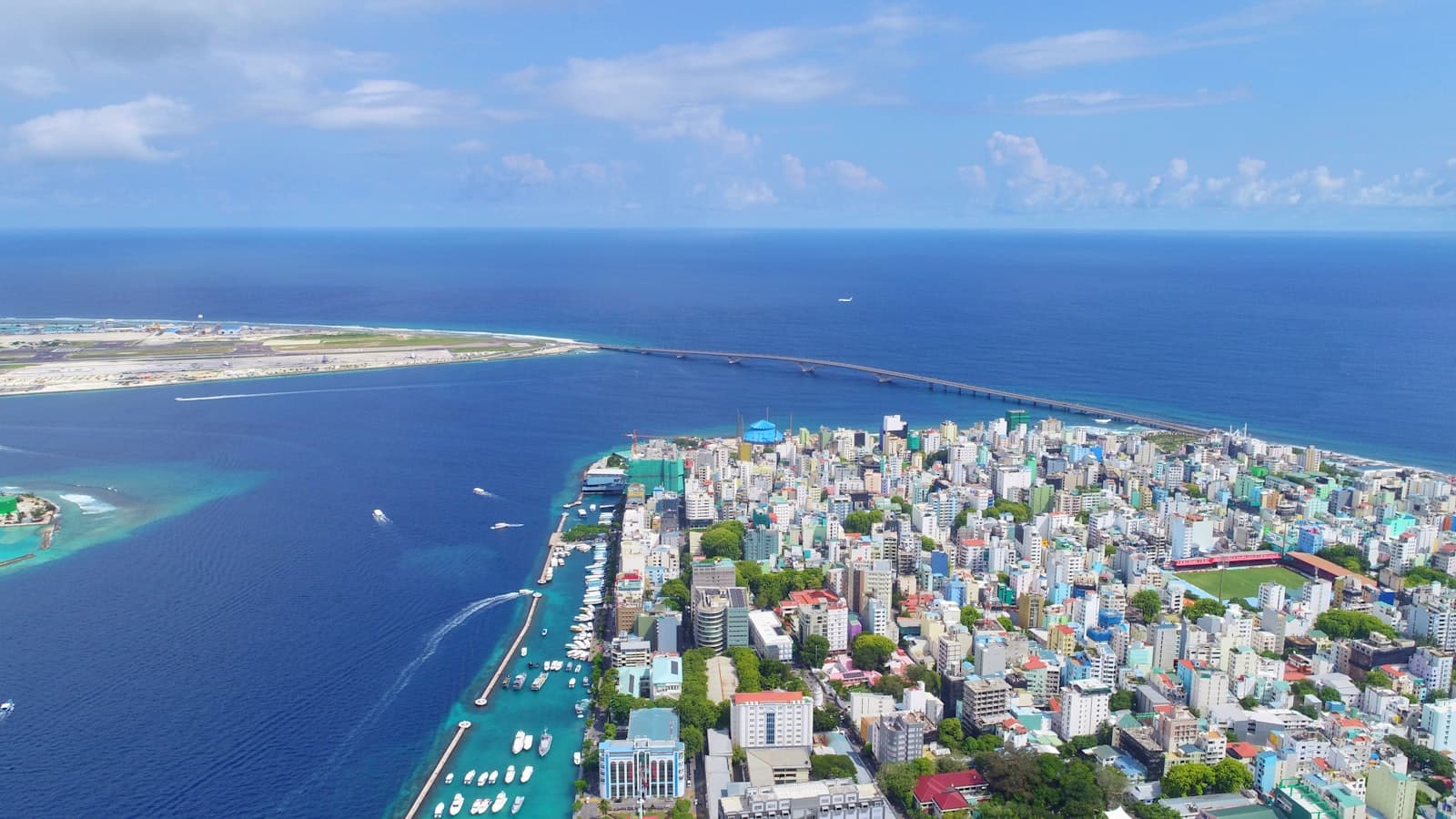
It is one of the most crowded islands on Earth — a dense, devout, beachless city you can cross on foot in twenty minutes. Nearly every visitor passes through it. Almost none stop.
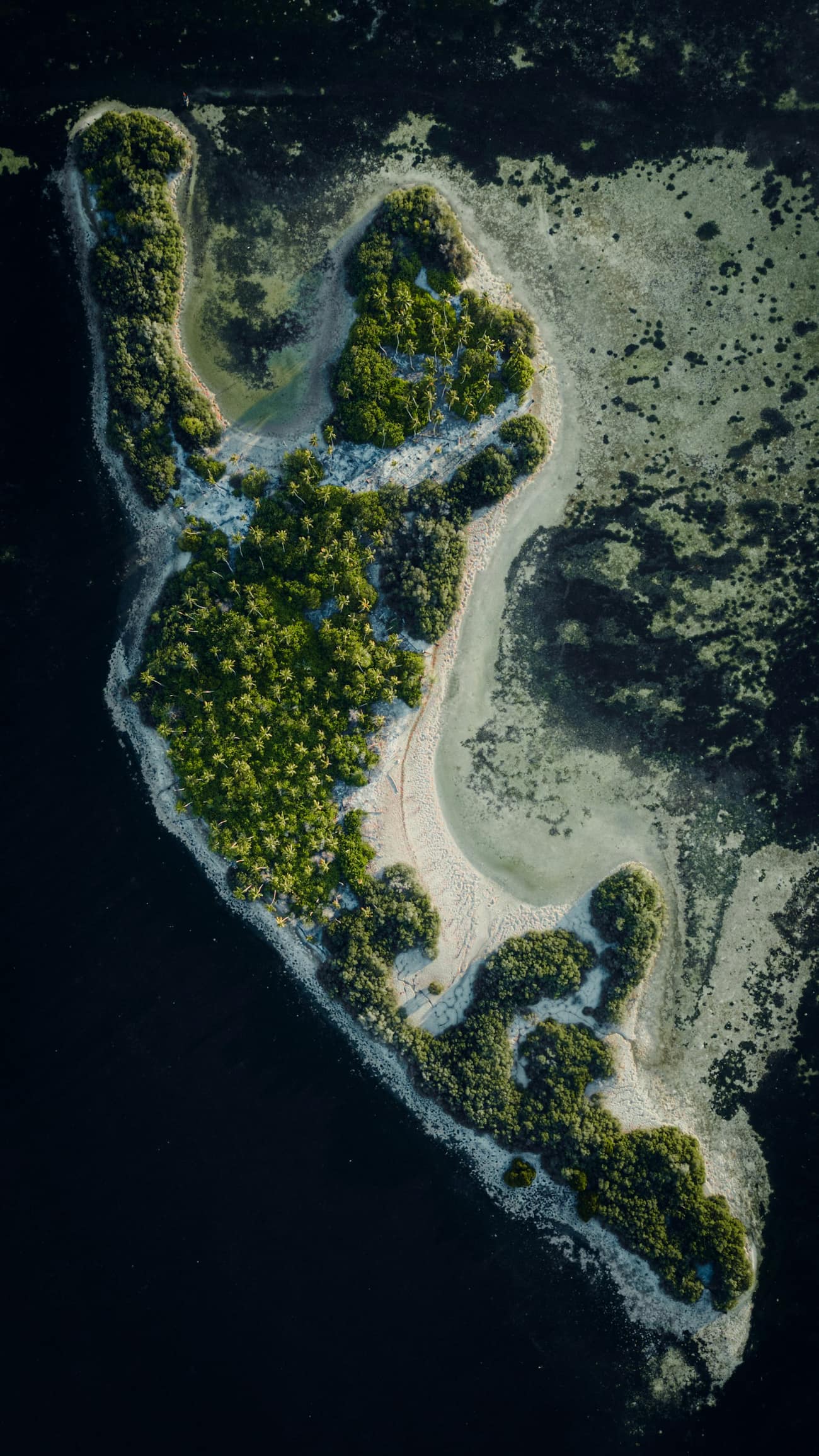
A secret Second World War anchorage, a Cold War air base, and a breakaway republic. The southernmost atoll in the Maldives holds the country's strangest history — the story of Gan.
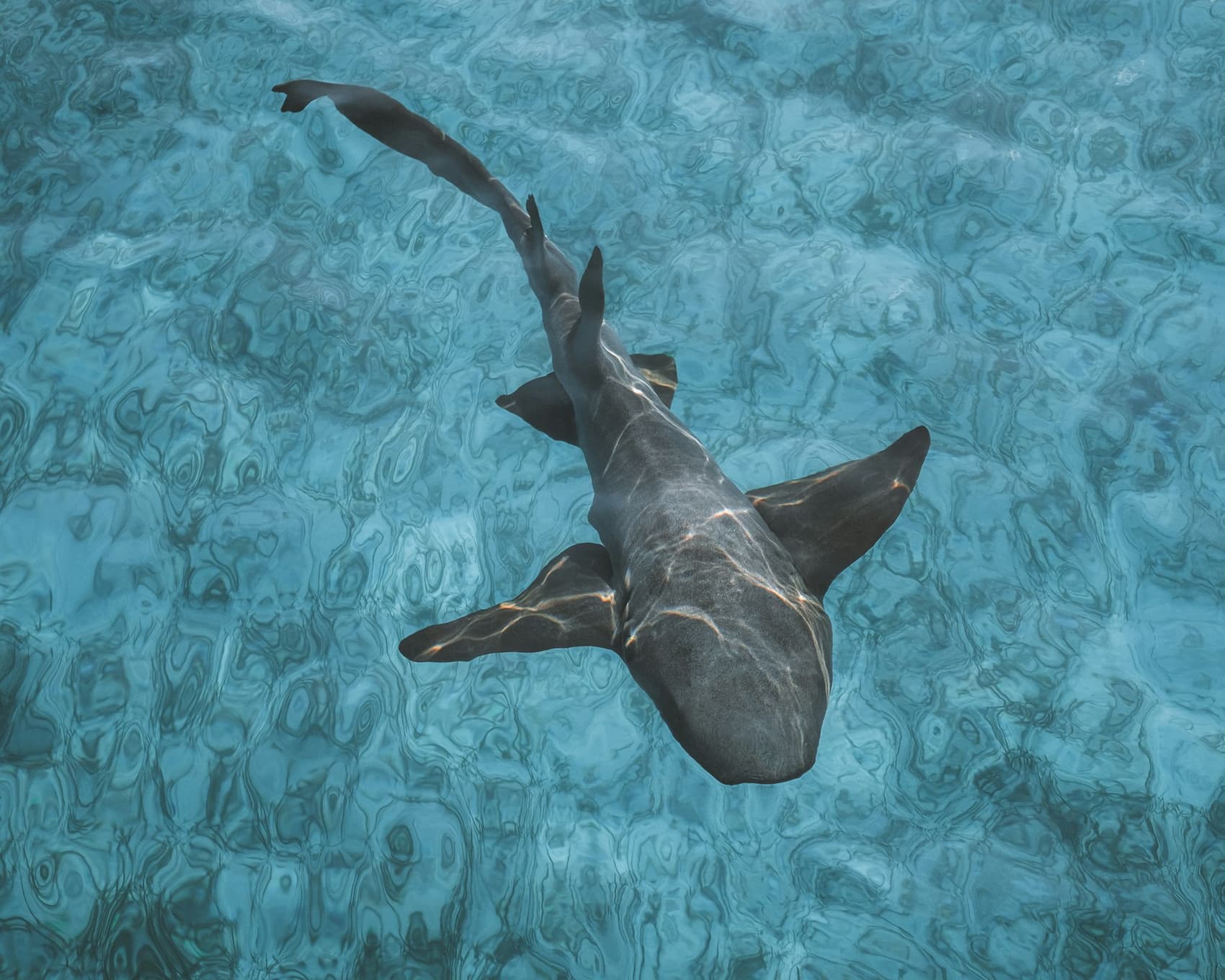
After dark at a jetty in Vaavu Atoll, dozens of tawny nurse sharks gather in one of the Maldives' great night dives. It is a spectacle — and a conservation argument worth having before you go.
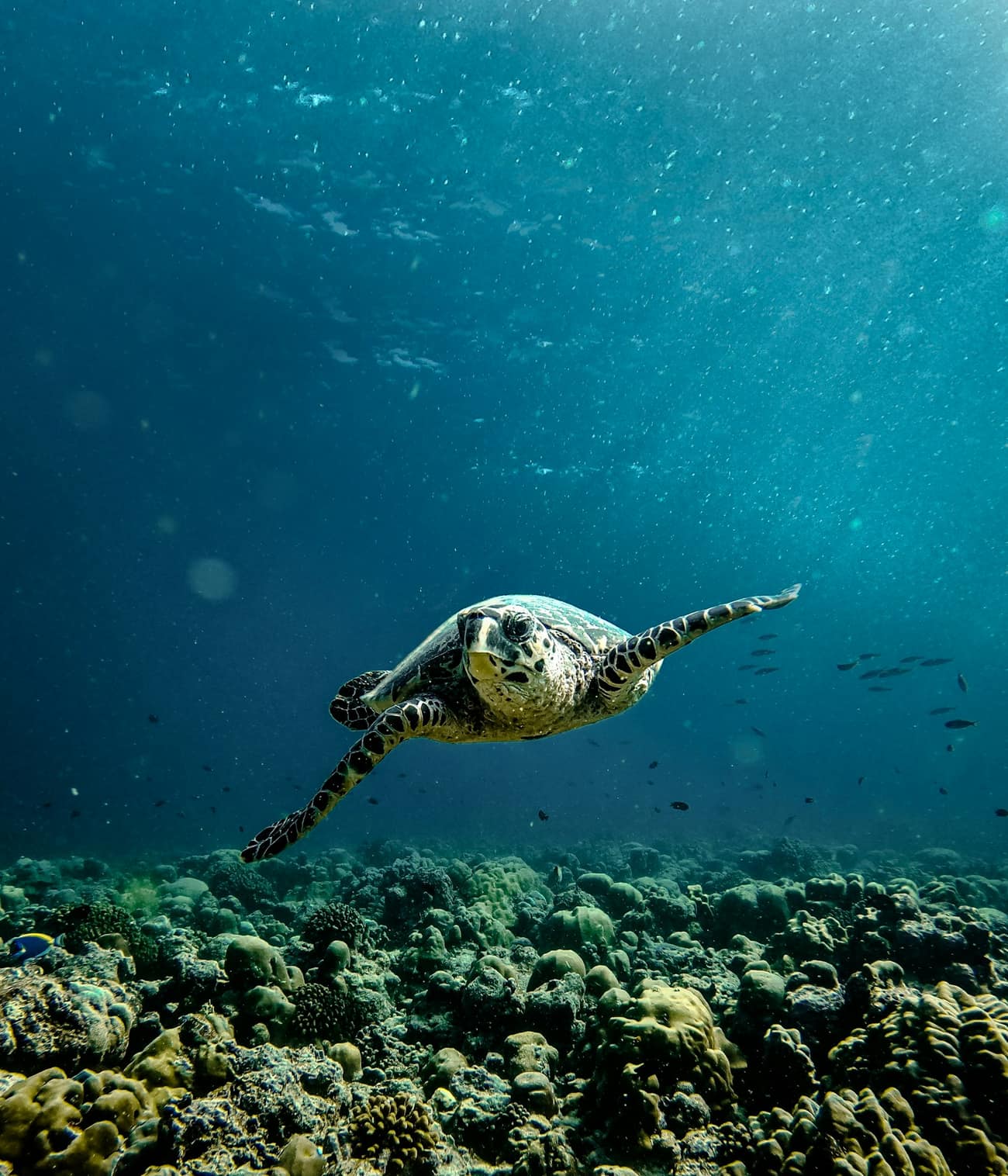
Most of the Maldives' sea turtles are residents. The olive ridley is not — it drifts in on the current, tangled in a net, often missing a flipper. The story of the country's turtle hospitals.
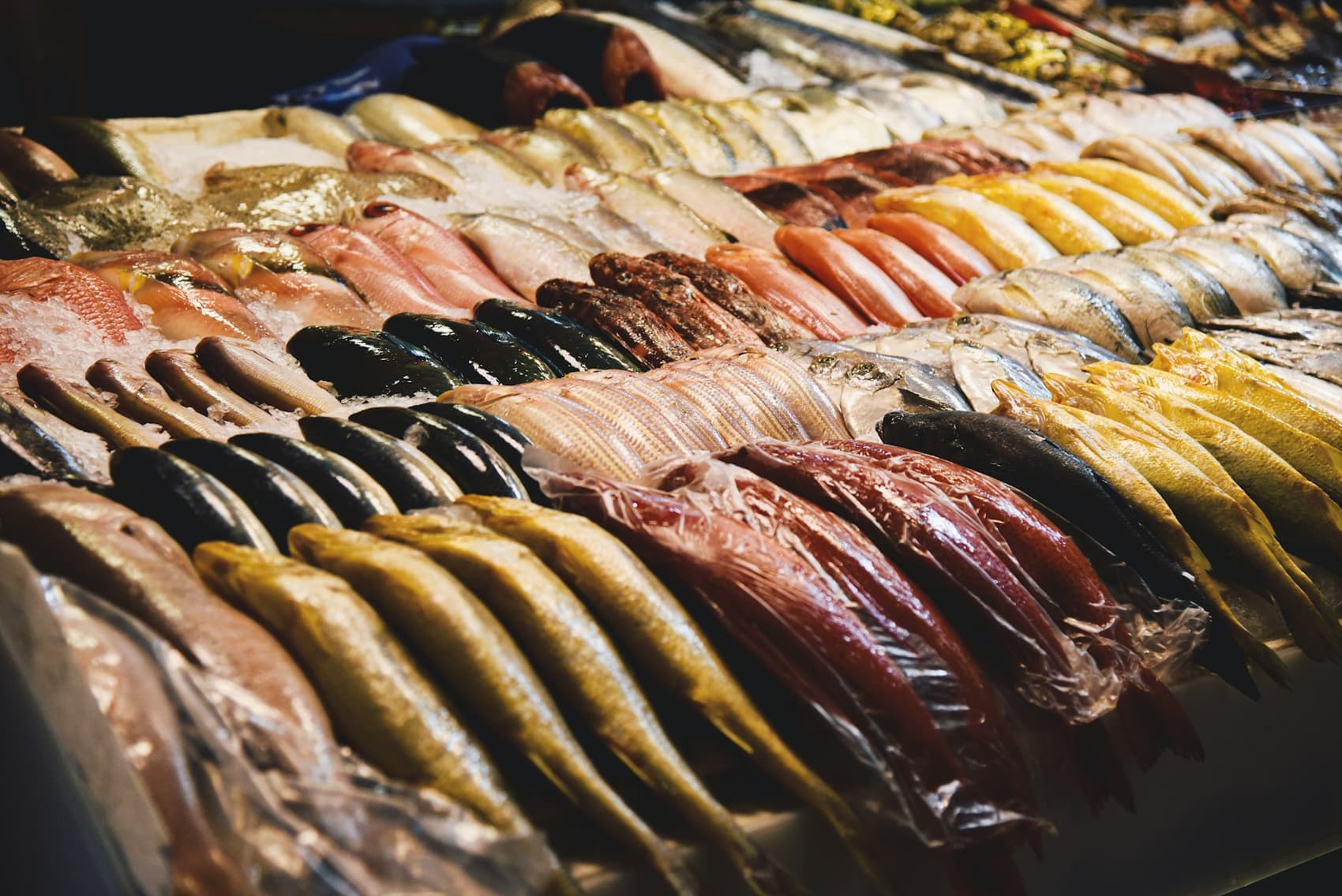
Resort buffets serve the world's food; the Maldives' own is something else — tuna, coconut and chilli, recombined a hundred ways. A short guide to mas huni, garudhiya and the teashop short eats.
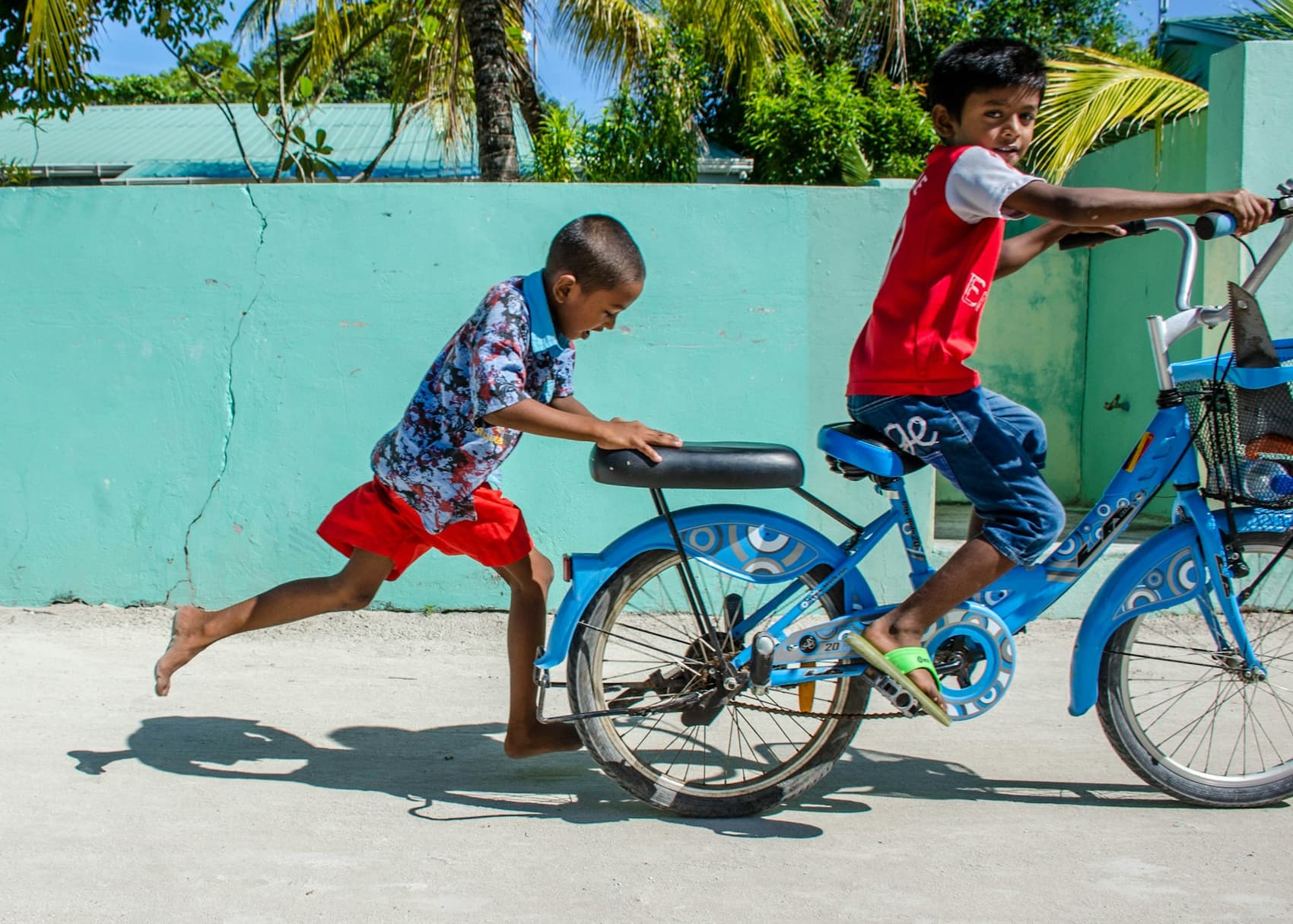
Dhivehi is the southernmost Indo-European language on Earth, written right-to-left in an alphabet drawn from numerals. A short guide — and the handful of words that delight Maldivian hosts.
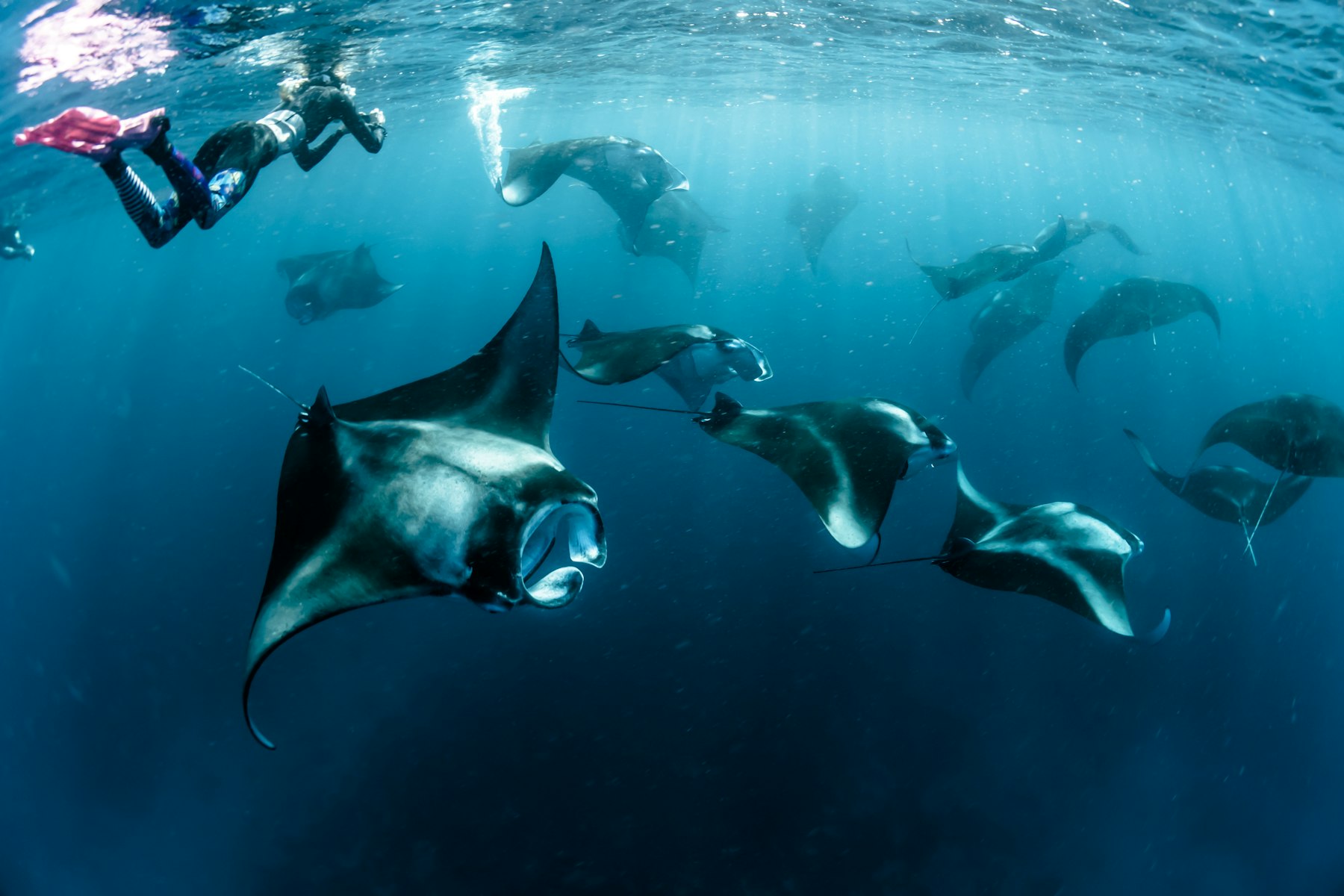
For half the year, a dead-end reef no bigger than a few football pitches becomes the most reliable place on Earth to swim beside a hundred feeding manta rays. Here is why — and how it is protected.
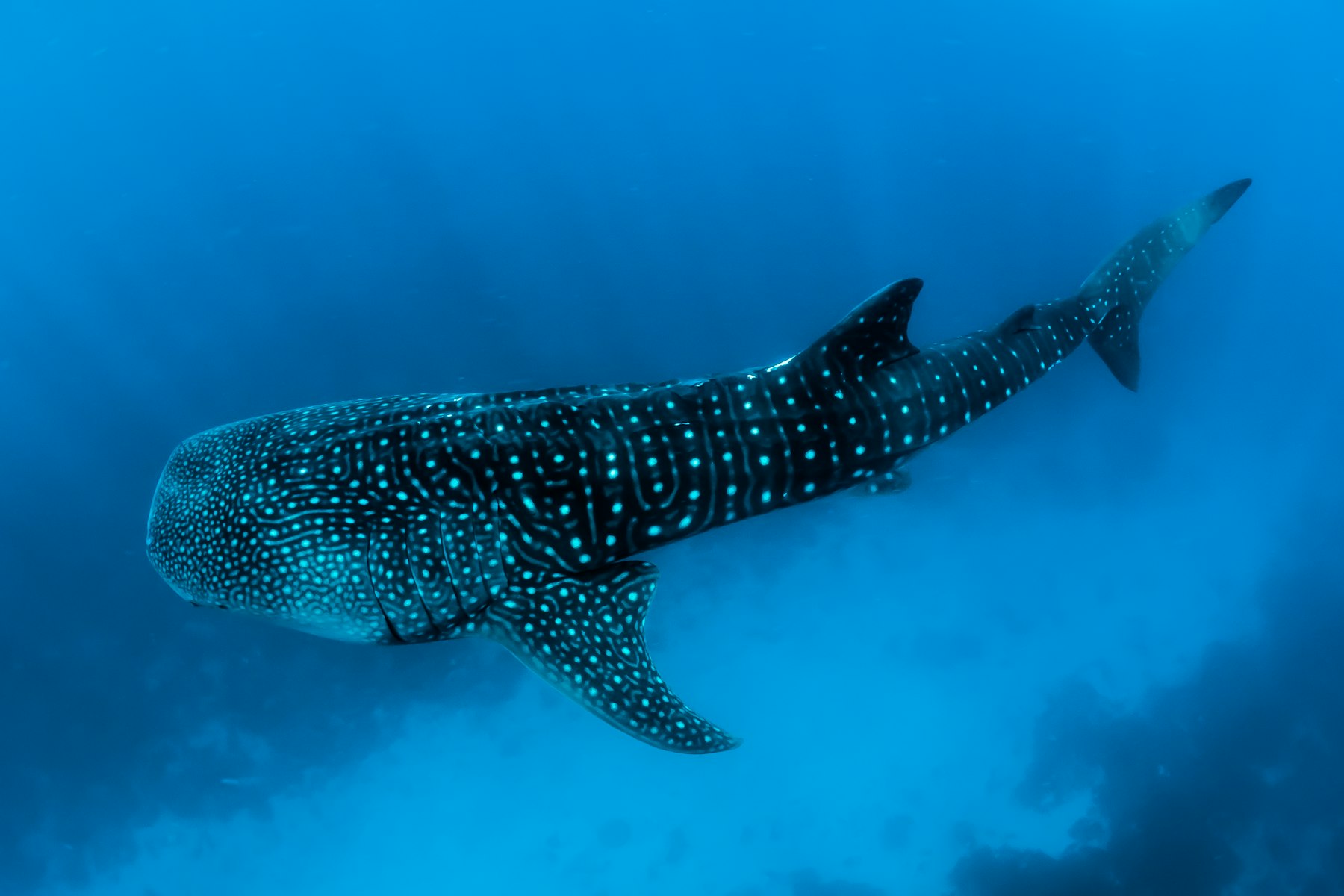
Most whale-shark hotspots are seasonal: the animals pass through and move on. Along one 42-kilometre stretch of Maldivian reef, the biggest fish in the sea turns up every month of the year.
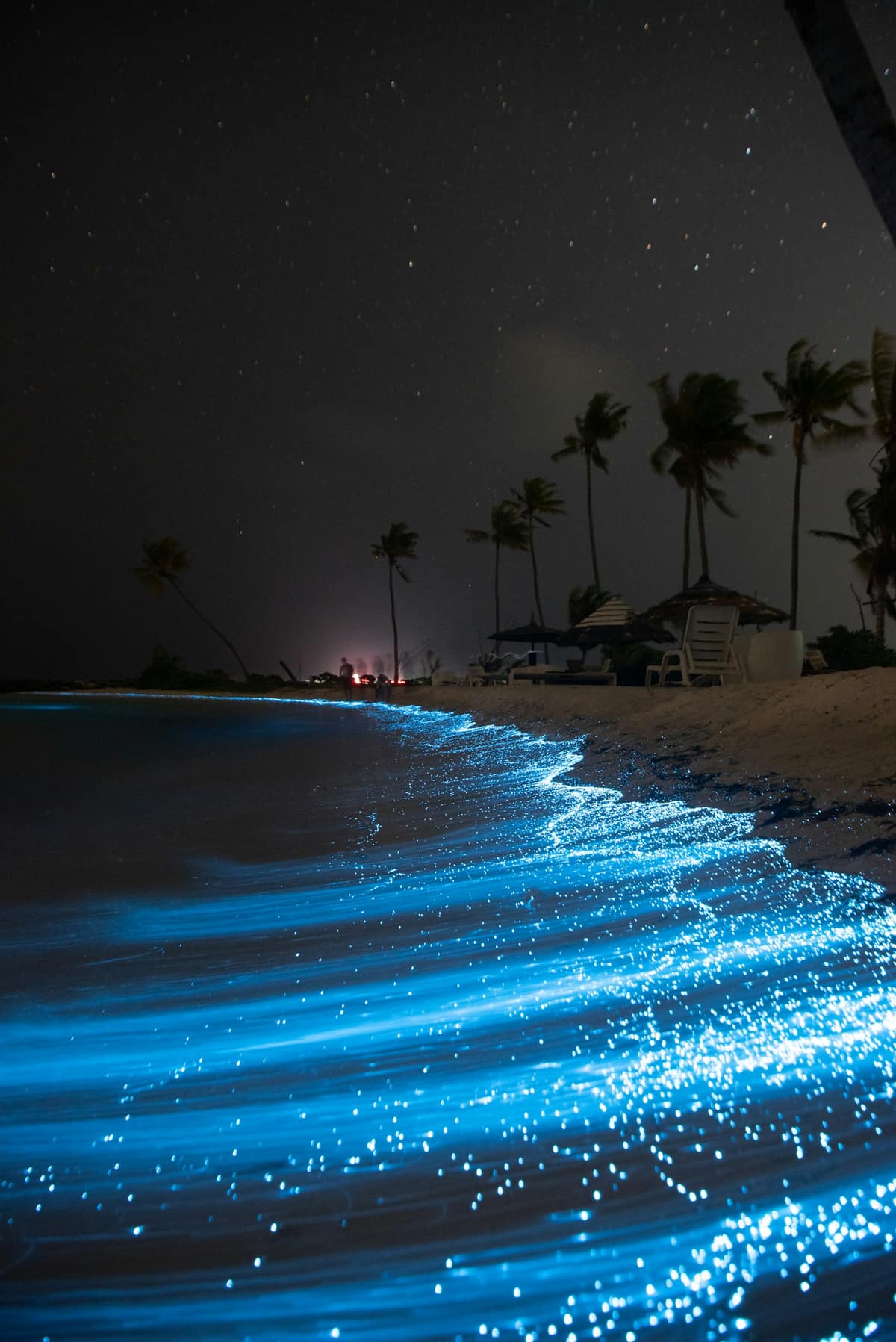
A shoreline that glitters electric blue at the water's edge is one of the Maldives' most-shared images. The phenomenon is real — just not in the way the captions tell it.
For data, citations or interview requests, see the press room. Planning a trip around any of these? Start with our atoll guides.