
Scuba Diving in the Maldives
Where and when to dive the Maldives: the channels, thilas and wrecks that make it world-class, the signature sites for mantas, whale sharks and hammerheads, the seasons that drive everything, and the resorts and liveaboards built for divers.
Why the Maldives Is World-Class for Diving
The Maldives is a chain of 26 coral atolls — over 1,000 islands — straddling the equator in the Indian Ocean, where the reef architecture itself produces the diving. Deep ocean channels called kandus cut through the atoll rims, and on the tides they funnel plankton-rich water — and the pelagics that follow it — in and out of the lagoons, concentrating sharks, rays and schooling fish at predictable points.
Between the channels sit hundreds of thilas (submerged pinnacles) and giris (smaller coral knolls), which act as oases for reef life and as cleaning stations for mantas. Water is bath-warm year-round at roughly 27–30°C and visibility regularly reaches 25–40 metres, so divers go in light exposure suits and stay comfortable across multiple daily dives.
The combination of warm clear water, reliable currents and an equatorial position means big-animal encounters are possible twelve months a year — reef sharks, mantas and whale sharks are all realistic targets on a single trip. The catch is that many of the best sites are advanced drift dives, so where you stay and what you're certified for shapes the trip. If you'd rather stay on the surface, see our Maldives snorkeling guide.
Best Dive Atolls & Signature Sites
The Maldives' iconic dives cluster around a handful of atolls, each with its own headline sites — from the world's largest manta aggregation in Baa to the shark capital of Fuvahmulah in the Deep South. Browse resorts by region in our atolls guide.
- Hanifaru Bay — one of the world's largest manta aggregations, up to ~100 reef mantas feeding at once, plus seasonal whale sharks. Snorkel-only — scuba has been banned since 2012. Season June–November, peak July–August.
- Dhigali Haa, Dharavandhoo Thila, Anga Faru — thila and reef diving with grey reef sharks; Baa became a UNESCO World Biosphere Reserve in 2011.
- South Ari MPA (Maamigili / Dhigurah) — year-round whale sharks, the Maldives' largest known resident aggregation, often on shallow drift dives along the outer reef.
- Fish Head (Mushimasmingili Thila) — arguably the most famous single dive in the country; overhangs, resident grey reef sharks, napoleon wrasse.
- Maaya Thila — white-tip reef sharks and a celebrated night dive; plus Kudarah Thila, Broken Rock and the Fesdu wreck.
- Banana Reef — one of the first sites discovered in the early 1970s; overhangs, caves, soft coral and dense reef fish.
- Lankan Manta Point — North Malé's signature manta cleaning station on the atoll's east side; in the SW-monsoon months (roughly May–November) reef mantas queue over the coral blocks while divers hook in on the sand and watch.
- Maldive Victory — an 83 m cargo wreck that sank in 1981, sitting upright with the deck around 25 m and the sand near 35–37 m; strong current, an advanced dive.
- HP Reef & the South Malé kandus — Guraidhoo, Embudhoo, Cocoa Thila and Kandooma Thila: channels and mid-channel pinnacles that pull in grey reef sharks, eagle rays and tuna.
- Fotteyo Kandu — rated among the best dives in the country; swim-throughs, caves and a soft-coral wall with grey reef and white-tip sharks.
- Alimathá jetty night dive — dozens of nurse sharks, plus stingrays and blacktips, swarm under the lights. Vaavu has the longest continuous reef in the Maldives (~55 km).
- Tiger & thresher sharks year-round — this stand-alone equatorial island is non-seasonal, with tigers on the famous "Tiger Zoo" plateau and threshers on tap all year.
- Hammerheads, oceanic whitetip, silvertip & black mantas — around 80% of the Maldives' oceanic-manta sightings are here (mating season ~March–May). Experienced divers only — strong current, deep, blue water.
- Hammerhead Point / Madivaru — an early-morning blue-water dive (~30–40 m) once famous for schooling scalloped hammerheads, best December–April. Advanced; the local dive club now says hammerheads are seen only rarely, while schools of grey reef sharks are the dependable draw.
- British Loyalty — the largest wreck in the Maldives, a WWII oil tanker around 130 m+ long, lying on its port side at roughly 33 m and now a vibrant artificial reef.
- Manta Point (Maa Kandu) — a cleaning station with mantas year-round. Currents are gentler than the central atolls, and Addu was one of the atolls least affected by the 1998 bleaching.
- Kuredu Express — a fast-current channel on the atoll's north tip; schools of 20+ grey reef sharks on an incoming tide. Experienced divers, descent to ~30 m.
- The Shipyard — two wrecks, one dramatically breaking the surface, the other on its side near 30 m, with nurse sharks, grey reef sharks and morays.
Dive-Site Types Explained
A handful of Dhivehi and dive-trade terms come up constantly in Maldives briefings. Here's what each one means and what to expect from it underwater.
Marine Life You'll See
Turtles, reef sharks and rays turn up on most good reefs. The giants are about being in the right atoll in the right season, and some of the encounters divers travel for are demanding dives. Here is where and when to find each one. For which house reefs bring turtles, sharks and mantas to a snorkeller, see the species guide in our snorkeling guide.
| Encounter | Where | When | The dive |
|---|---|---|---|
| Whale sharks | South Ari Marine Protected Area (Maamigili / Dhigurah) | Year-round; often a little easier from November | Shallow drift dive or snorkel along the outer reef — all levels |
| Reef mantas | Cleaning stations: Lankan Manta Point (North Malé), Baa's thilas, Manta Point in Addu | By monsoon side — Lankan roughly May–November, Addu year-round | Hover beside the cleaning station — Open Water and up |
| Manta feeding frenzies | Hanifaru Bay, Baa | June–November, peak July–August | Snorkel only — no scuba in the bay |
| Oceanic (black) mantas | Fuvahmulah | Mating season roughly March–May | Blue-water dives — experienced divers |
| Grey reef sharks | Channels in the Malé atolls, Vaavu and Lhaviyani (Kuredu Express) | Year-round, best on an incoming tide | Channel drift with a reef hook — Advanced Open Water |
| Scalloped hammerheads | Rasdhoo (Madivaru) and Fuvahmulah | December–April at Rasdhoo, where sightings have become rare | Early blue-water dive around 30–40 m — Advanced |
| Tiger & thresher sharks | Fuvahmulah | Year-round | Strong current and deep water — experienced divers only |
| Nurse sharks | Alimathà jetty, Vaavu | Year-round, after dark | Shallow night dive — any certified diver |
| Hawksbill & green turtles | Reefs and house reefs across the country | Year-round | Almost any reef dive — all levels |
Seasons & What to See When
Two monsoons drive everything. The northeast monsoon brings the clearest water; the southwest monsoon brings the plankton — and the big filter-feeders that follow it. For a broader view of timing, see our best time to visit guide.
| Season | Conditions | What it's best for |
|---|---|---|
| NE monsoon — Dec–Apr (dry / peak) | Calmer seas, less rain, lower plankton, best visibility (often 30 m+, up to ~40 m). Sweet spot: Jan–March. | The best wreck and photography conditions, calmest seas Feb–April, and the dawn dives at Rasdhoo. |
| SW monsoon — May–Nov (wet / shoulder) | More wind and rain, visibility eases to ~15–25 m — but plankton blooms. | Hanifaru / Baa manta season and seasonal whale sharks; mantas at cleaning stations. |
The side-switch nuance: because plankton accumulates on the downstream side, mantas and whale sharks concentrate on the western side of atolls in the NE (dry) season and the eastern side in the SW (wet) season. Good operators move dive sites accordingly.
| Target | Best window |
|---|---|
| Mantas (Hanifaru Bay, Baa) | June–November, peak July–August — and within the season, the biggest feeding aggregations cluster around the full and new moons, when tidal flow concentrates plankton in the bay. Reef mantas at cleaning stations are roughly year-round by monsoon side. |
| Whale sharks (South Ari) | Year-round in the South Ari MPA; often a little easier from November on. |
| Hammerheads (Rasdhoo, dawn) | December–April at dawn, but sightings have become rare in recent years. |
| Tiger sharks & threshers (Fuvahmulah) | Year-round (equatorial, non-seasonal); oceanic-manta mating peaks ~March–May. |
Month by month
| Month | Water | Visibility |
|---|---|---|
| Jan | 28°C | 25–30+ m |
| Feb | 28.5°C | 25–30+ m |
| Mar | 29°C | 20–30 m |
| Apr | 29.5°C | 20–30 m |
| May | 29.5°C | 10–20 m |
| Jun | 29°C | 10–20 m |
| Jul | 28.5°C | 10–15 m |
| Aug | 28.5°C | 10–15 m |
| Sept | 28.5°C | 12–20 m |
| Oct | 28.5°C | 15–25 m |
| Nov | 28.5°C | 20–30 m |
| Dec | 28°C | 25–30+ m |
Water is the long-term average sea-surface temperature from NOAA Coral Reef Watch (recent years run about half a degree warmer). Visibility is dive operators' estimate — no agency measures it — and varies by atoll and by day.
Water & visibility: water sits at roughly 27–30°C year-round (most reports cluster 28–29°C), so a 3 mm wetsuit or shorty is plenty. Visibility runs 25–40 m in the dry season and eases to 15–25 m when plankton is up.
The value windows: the transitional months — April–May and late October–November — sit between the monsoons: rates drop from peak, seas are usually workable, and you catch either the front or the tail of manta season. For divers, they're the best price-to-conditions ratio of the year.
Resort Diving vs Liveaboard
The two ways to dive the Maldives suit very different trips. A resort pairs diving with a room, restaurants and non-diving company; a liveaboard trades all that for sheer volume and reach.
| Resort diving | Liveaboard | |
|---|---|---|
| How it works | Stay on one island; dive the house reef plus dhoni day-trips to nearby sites (usually 2–3 reachable in a day). | Sleep aboard a dive boat; it repositions overnight to dive multiple atolls. |
| Reach | Limited to sites within about an hour of the island. | Far more sites, including remote channels and the Deep South. |
| Dives per day | 1–2, plus optional night and house-reef dives. | 3–4 plus night dives. |
| Best for | Couples and families, mixed dive-and-beach trips, beginners, anyone bringing non-divers. | Serious divers wanting volume and variety; experienced groups. |
| Cost feel | Per-dive cost can be high at luxury resorts. | Often cheaper per dive — room, meals and dives are bundled. |
Common liveaboard routes
Learning to Dive & Certification
Beginners can absolutely learn here — almost every resort and many local-island guesthouses have an on-site dive centre, usually PADI (some SSI), with warm calm lagoon conditions ideal for first dives. Advanced Open Water is the certification that unlocks the most.
Specialty courses — Deep, Wreck, Drift and Night, plus Maldivian shark-and-ray specialties — are widely offered, and some 5-star centres run Divemaster internships. Bring your certification card and logbook; expect a guided check-dive on arrival to assess buoyancy before harder sites.
Best Maldives Resorts for Diving
Almost every resort has a dive centre, so this is a shortlist, not a ranking: 21 resorts we pick for the diving itself — what is within dhoni range, who runs the dive centre and which big animals you can realistically see. For the best house reefs to snorkel or dive straight from the beach, see our house-reef ratings.
Whale sharks: South Ari
The southern rim of South Ari borders the South Ari Marine Protected Area, the most reliable whale-shark water in the country. These two islands put it on the day-trip list, with the thilas and channels of Ari in range too.
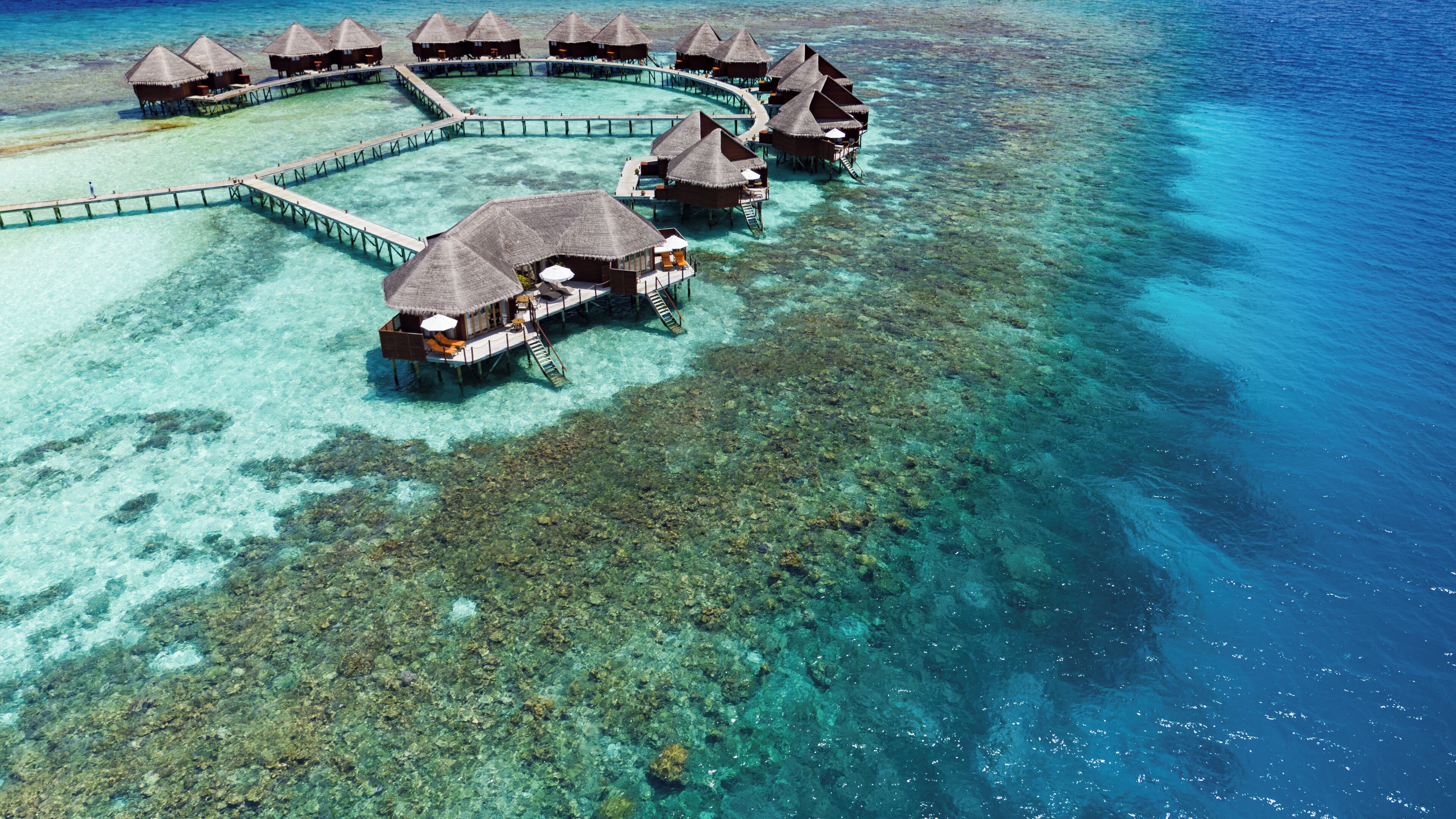
More than 50 dive sites within an hour by boat, the Madige wreck just off the house reef, mantas at Hukurudhoo Faru in the north-east monsoon, and several whale-shark day trips a week.
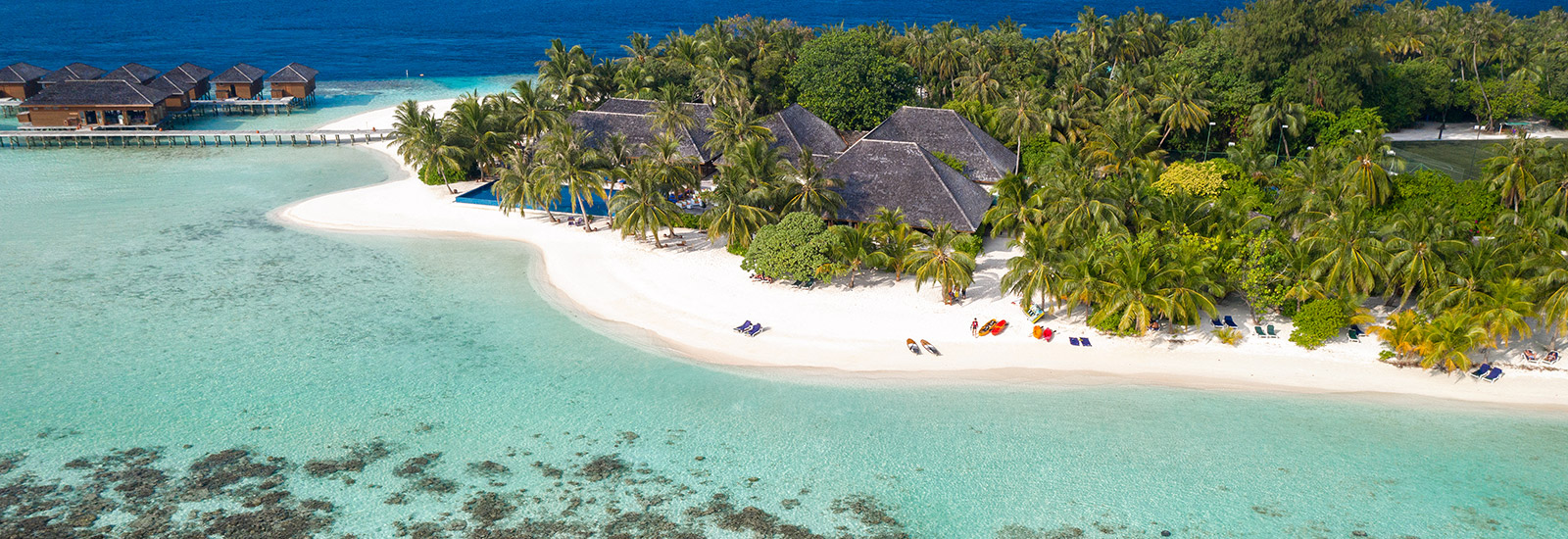
Over 50 sites between 5 and 60 minutes away — the Dhigurah channel thilas and the Kudhimaa Wreck among them — plus full-day whale-shark searches in the Marine Protected Area.
Mantas: Baa & Raa
Hanifaru Bay is snorkel-only, so divers come to Baa for the manta cleaning stations and thilas around it, and keep Hanifaru for a snorkel day out in season (June–November).
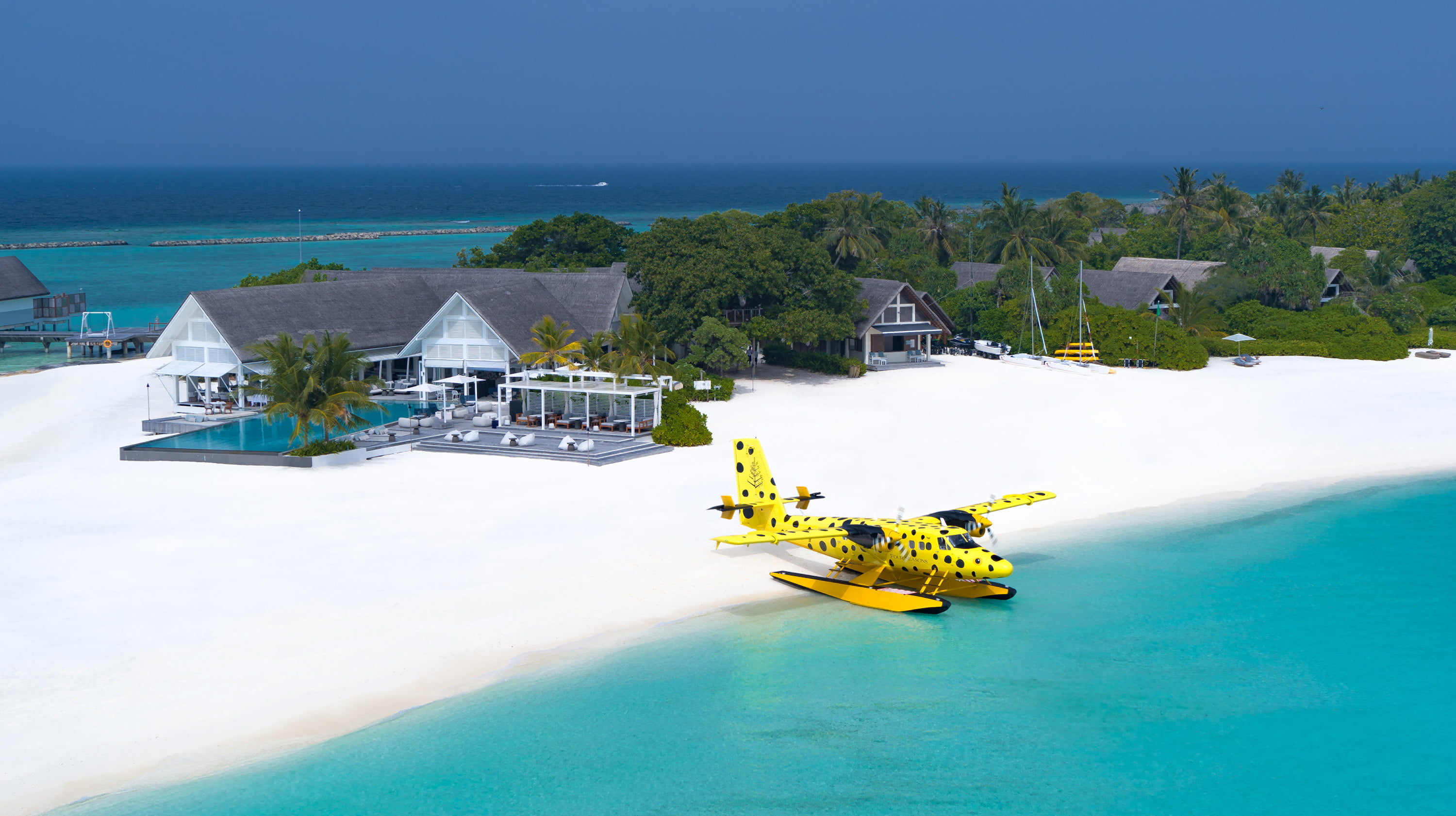
Resident Manta Trust experts at the Marine Discovery Centre, a "Manta On Call" alert for Hanifaru snorkel trips, and daily two-tank morning boats to Baa's thilas and kandus.
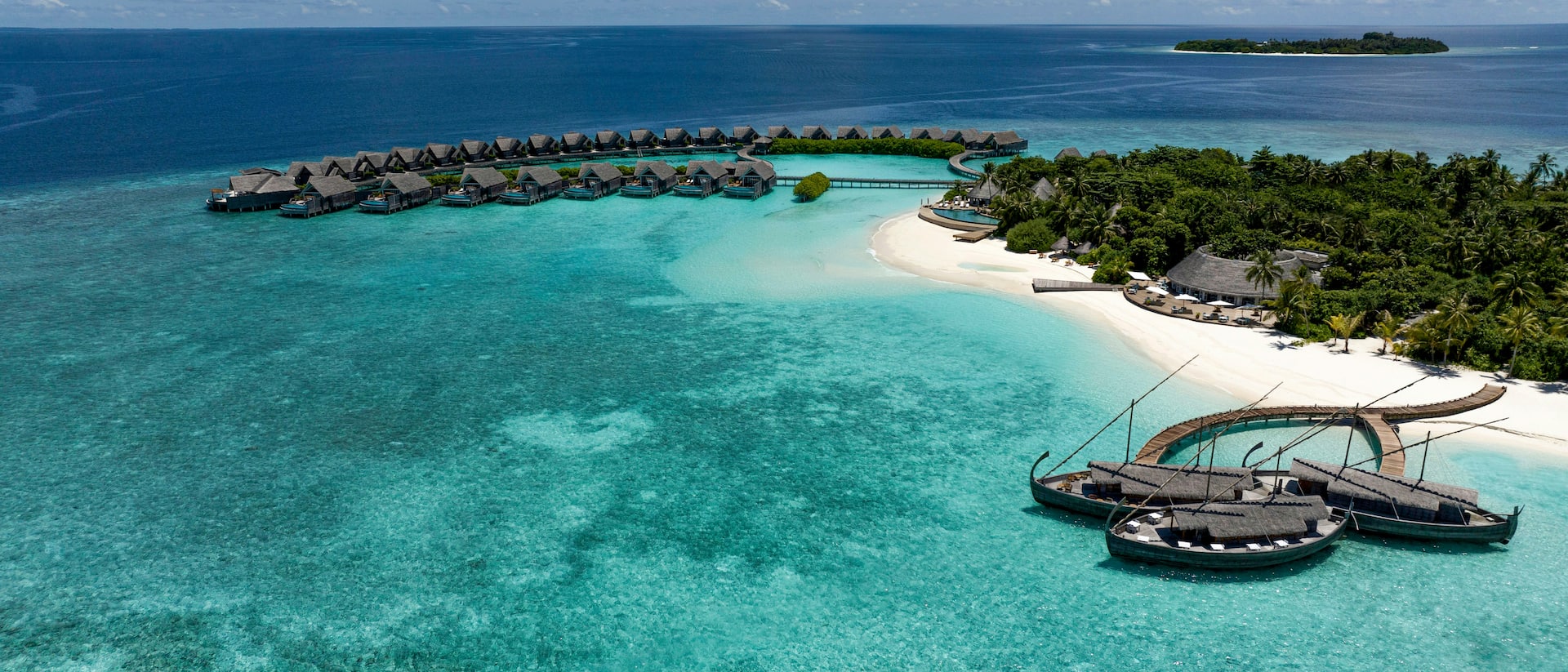
Baa's thilas — Dhigali Haa, Dharavandhoo and Dhonfanu among them — a house reef that rings the island for night dives, and Hanifaru snorkel trips three times a week in season.
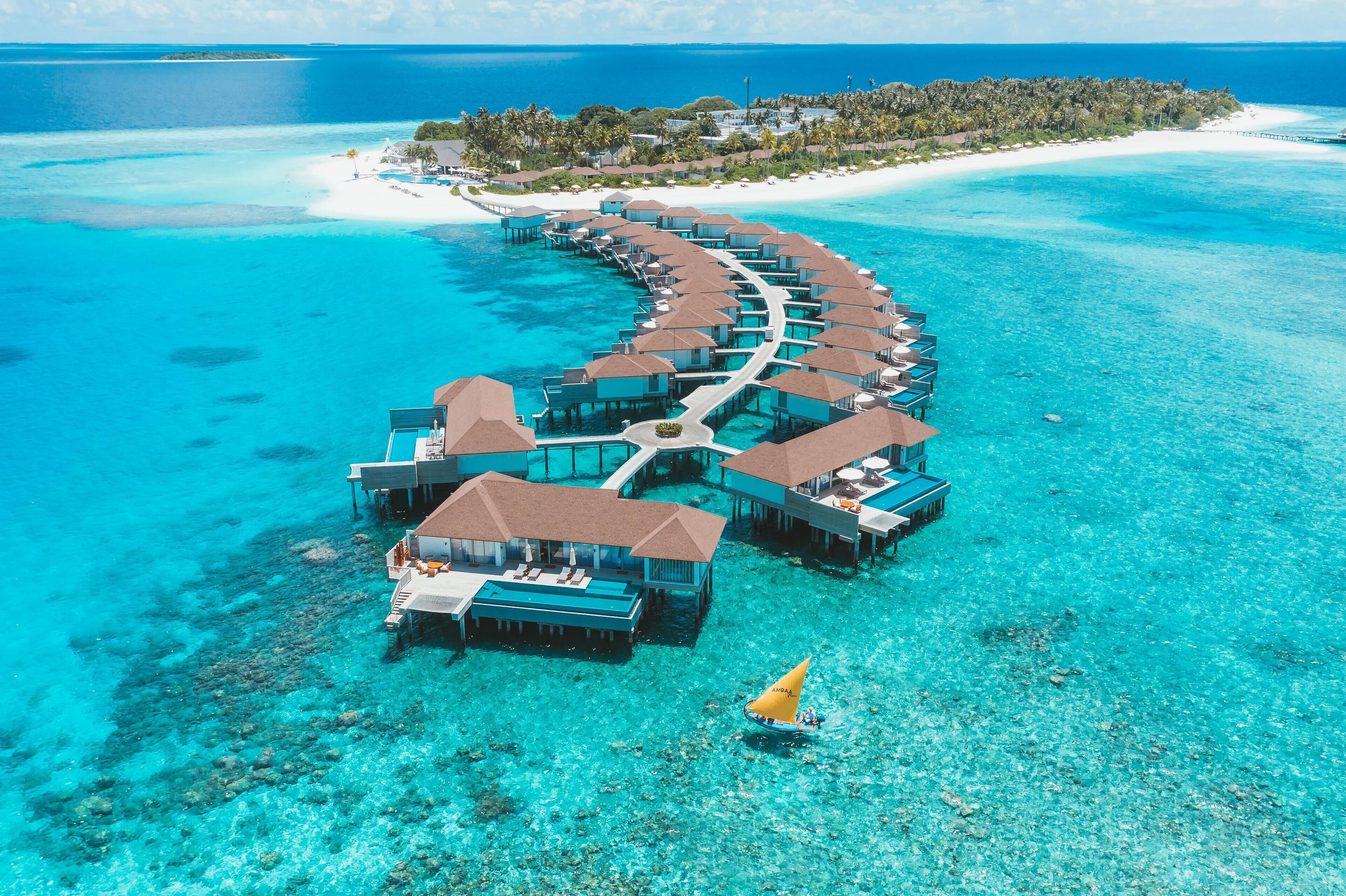
Hanifaru manta snorkel trips from May to November and Raa manta trips from November to April, with turtles, eagle rays and reef sharks on the house reef.
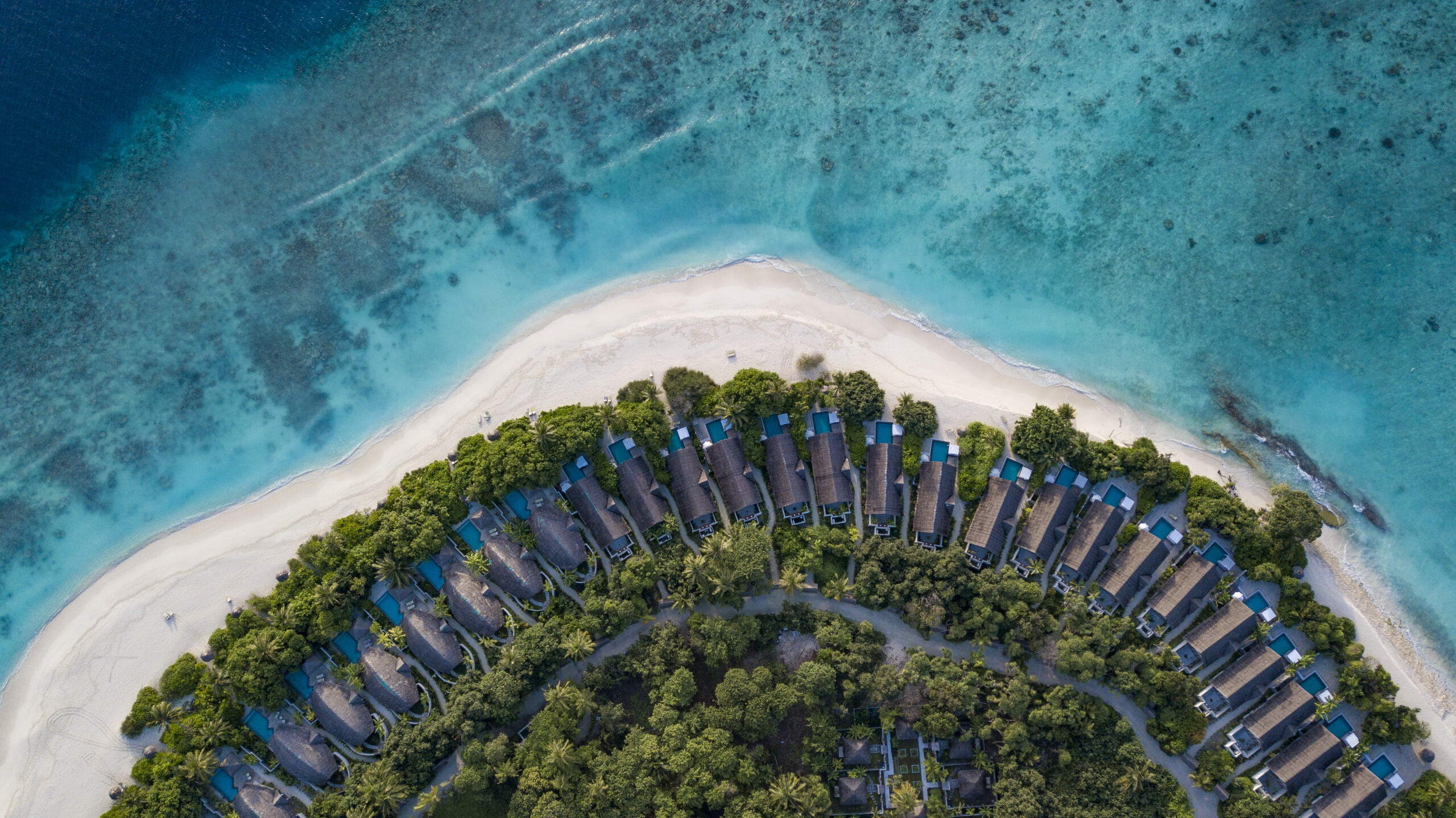
In neighbouring Raa, with Solar Corner and Bodufaru on the dive list, a house reef a few strokes from the beach, and Hanifaru Bay snorkel trips from June to November.
Thilas & sharks: North Ari & Rasdhoo
North Ari holds some of the most famous dives in the Maldives — Fish Head and Maaya Thila among them — and Rasdhoo, off Kuramathi, has a dawn dive for schooling grey reef sharks.
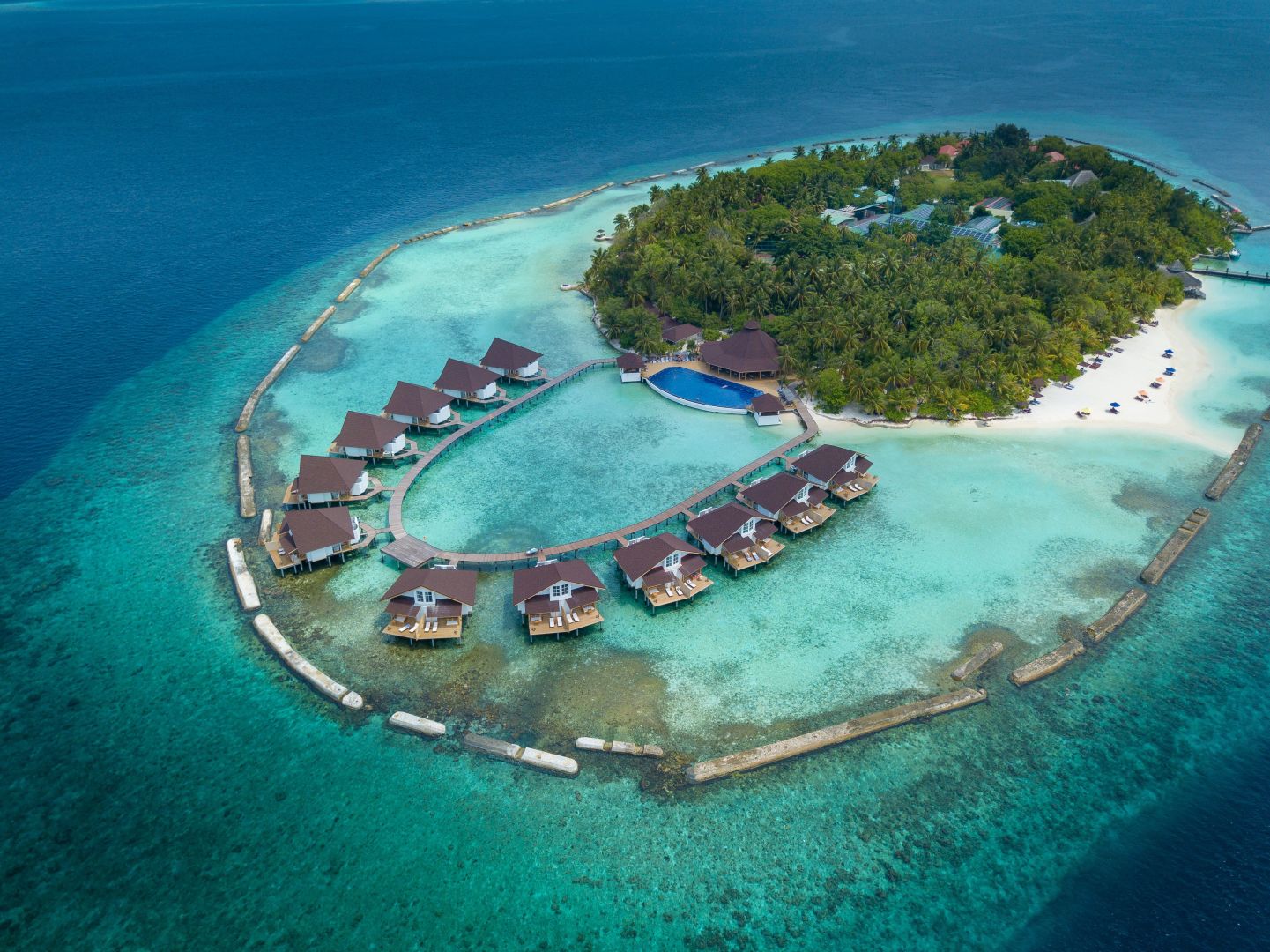
A house reef with walls beyond 30 metres, seven entry points and diving around the clock, plus Maaya Thila night dives and full-day whale-shark trips.
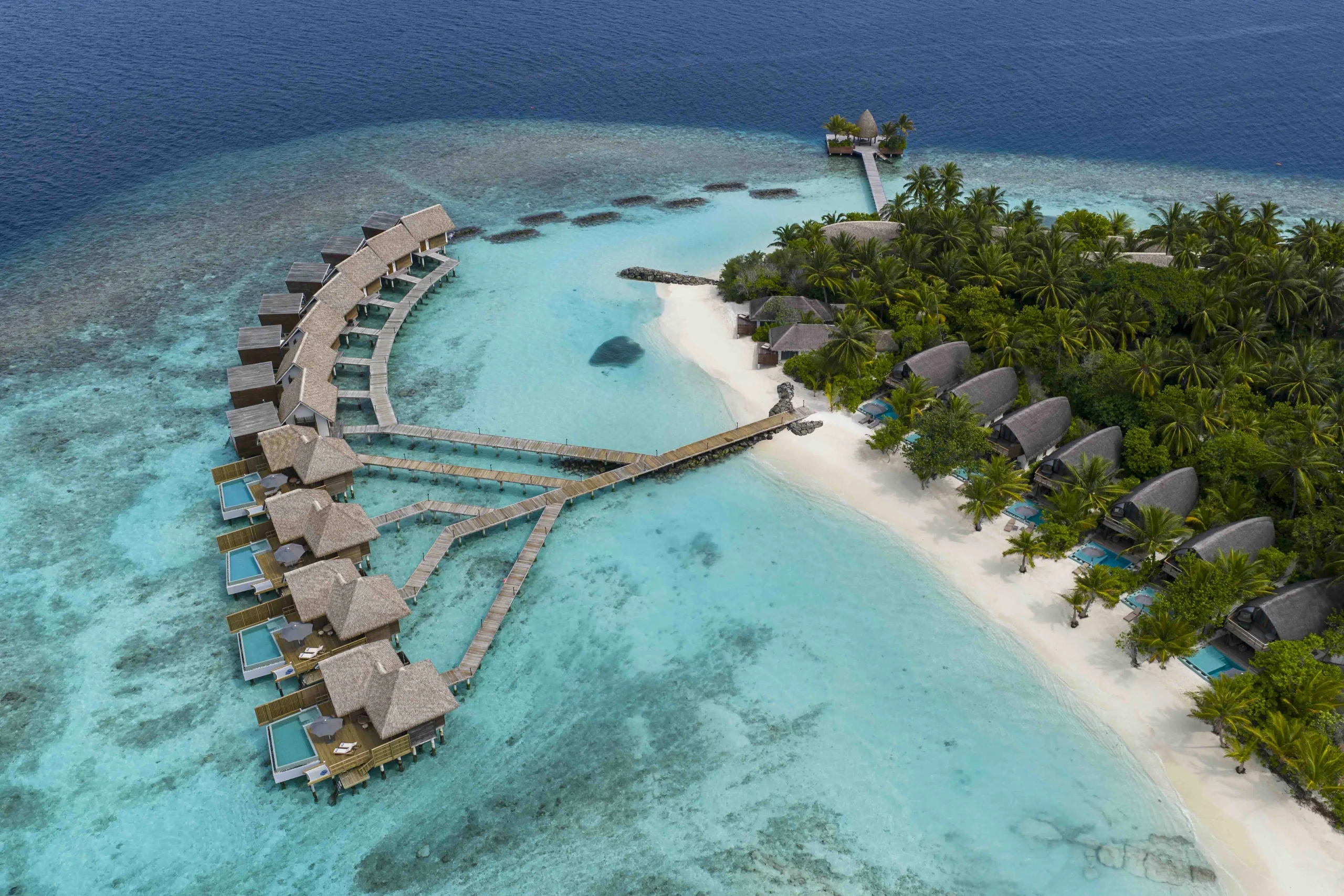
Maaya Thila and Fish Head — two of the Maldives' most famous dives — within the hour, plus Moofushi Manta Point from about December to April and the Fesdu Wreck.
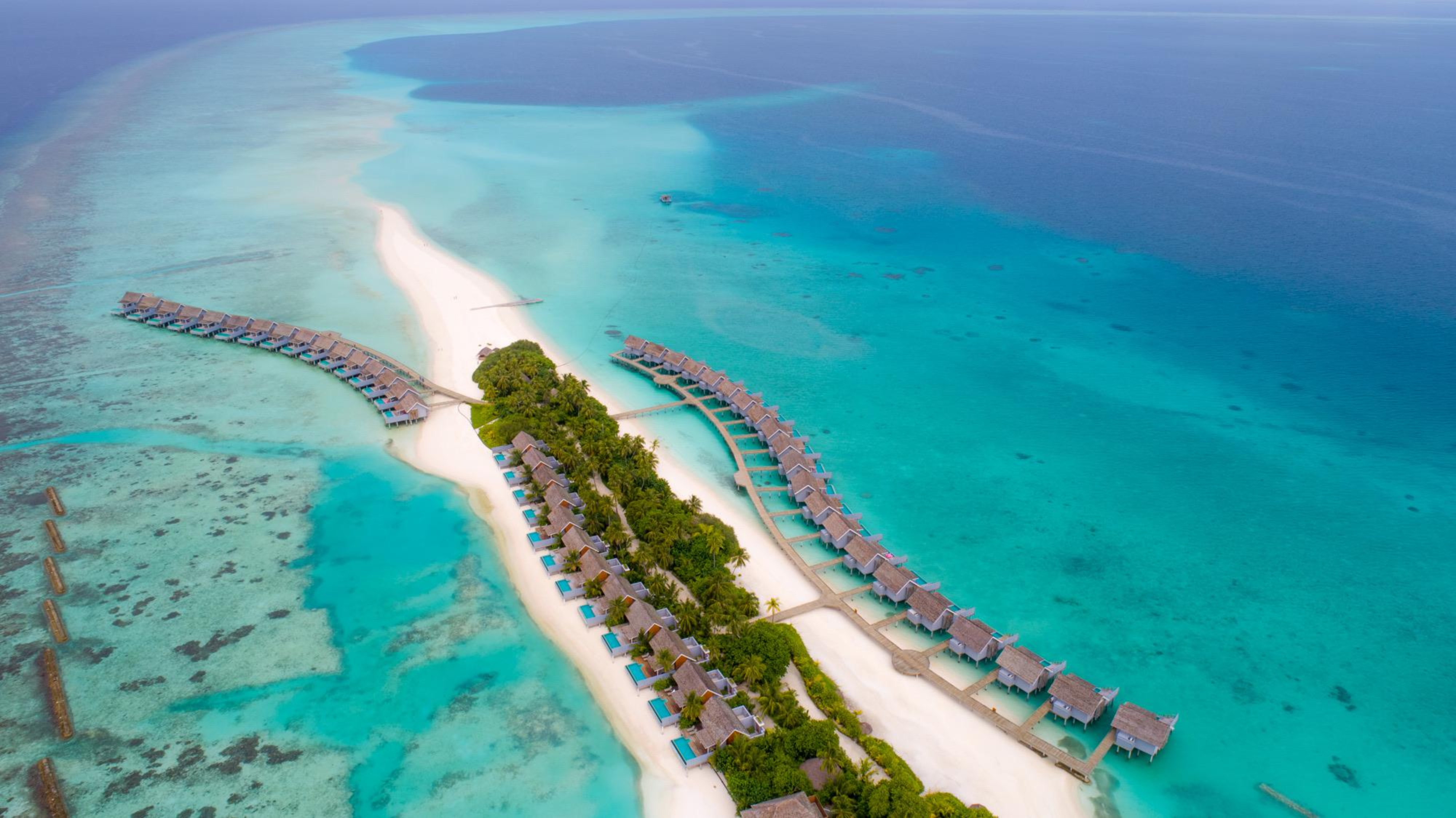
A dive club running since 1994, with 20-plus local sites about 15 minutes away on average — including a dawn dive at Shark Point for schools of grey reef sharks — and nitrox free for certified divers.
Channels near the airport: North & South Malé
The Malé atolls are a short speedboat ride from Velana airport, with the classic channel drifts, Banana Reef, the Maldive Victory wreck and Lankan Manta Point all within day-trip range.
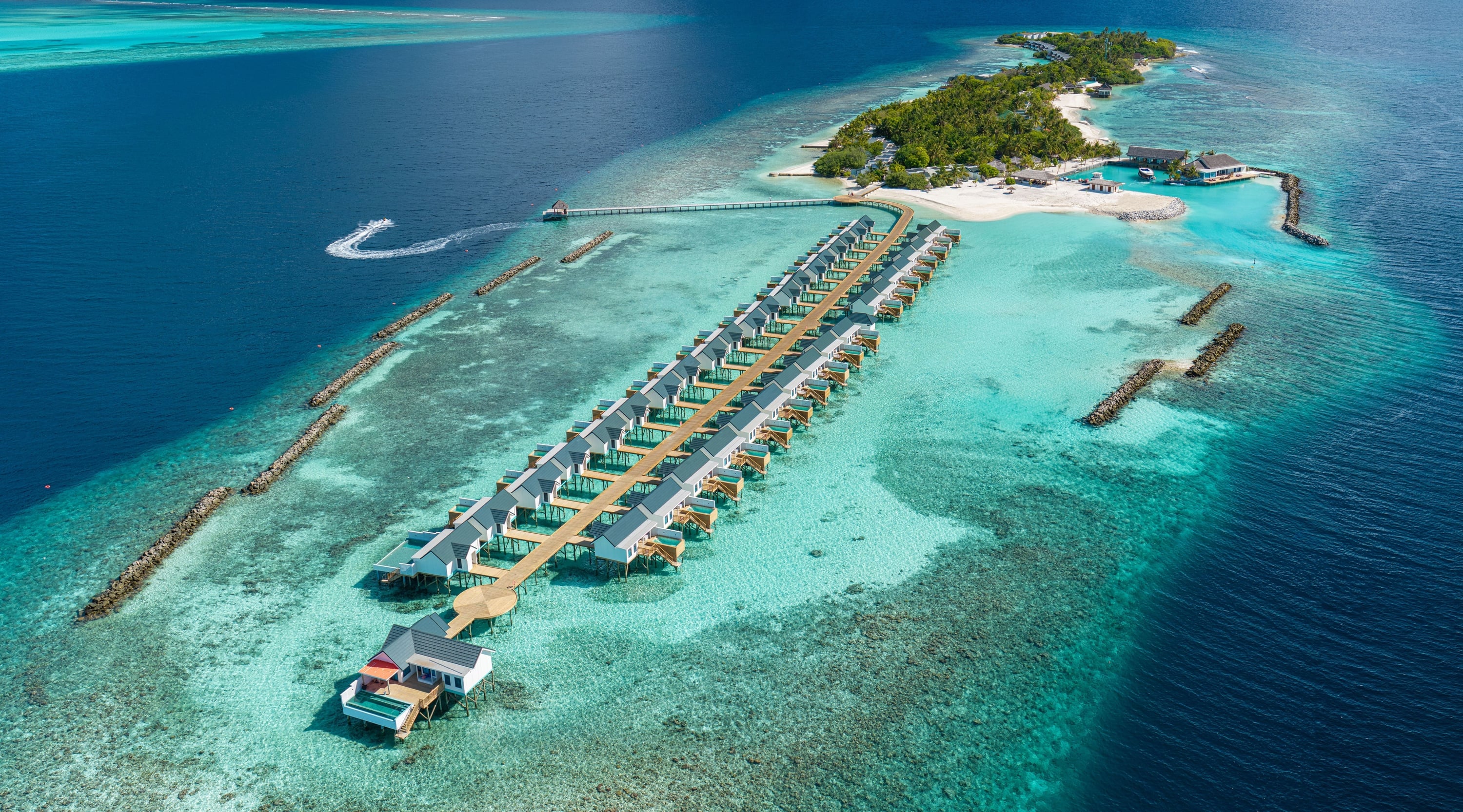
Over 20 dive sites in range, a channel just off the house reef, and Helengeli Thila about five minutes by boat.
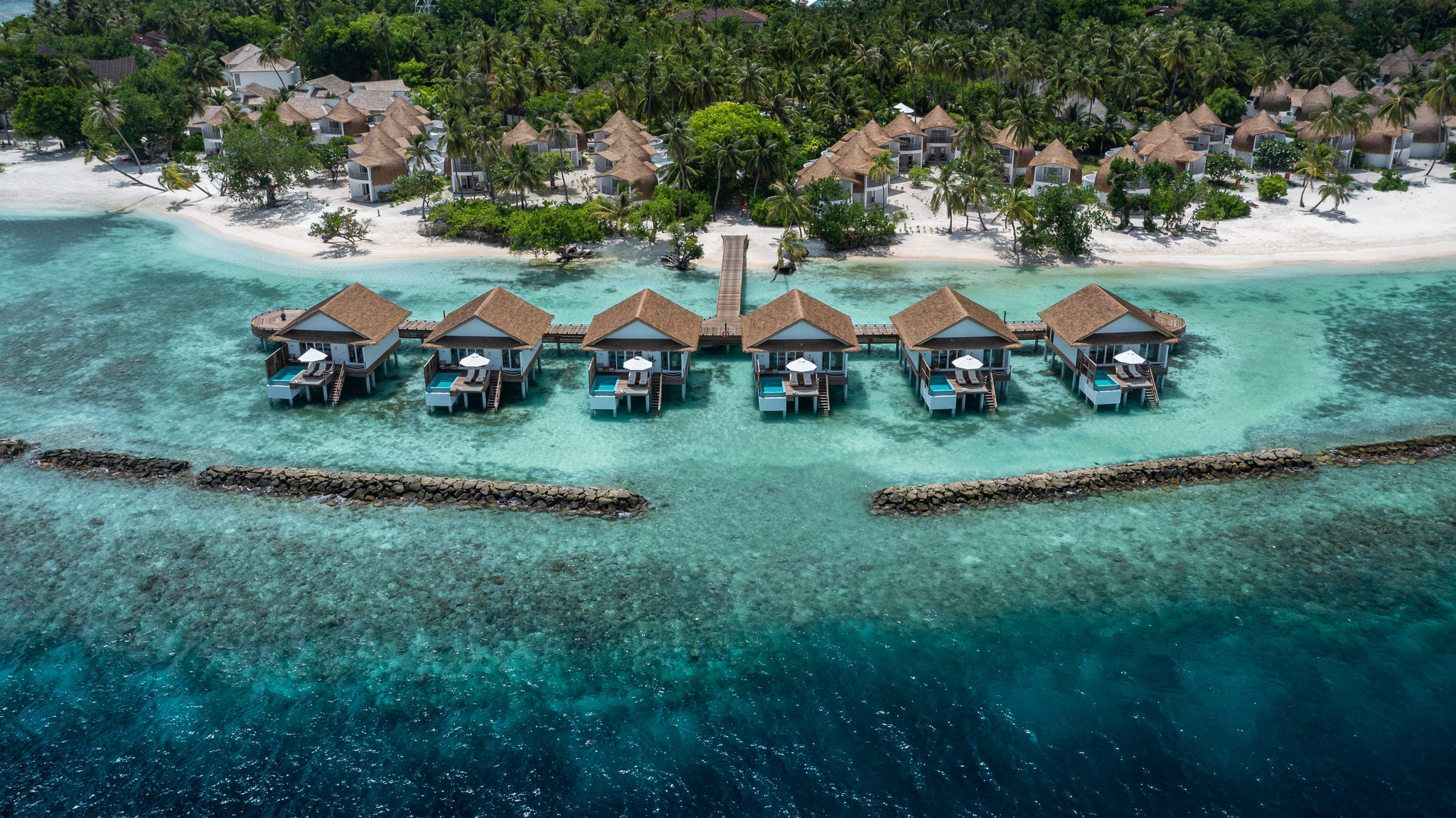
Some 40 North Malé dive sites in range — Banana Reef and the Maldive Victory wreck among them — with nitrox, and a recompression chamber at the island's clinic.
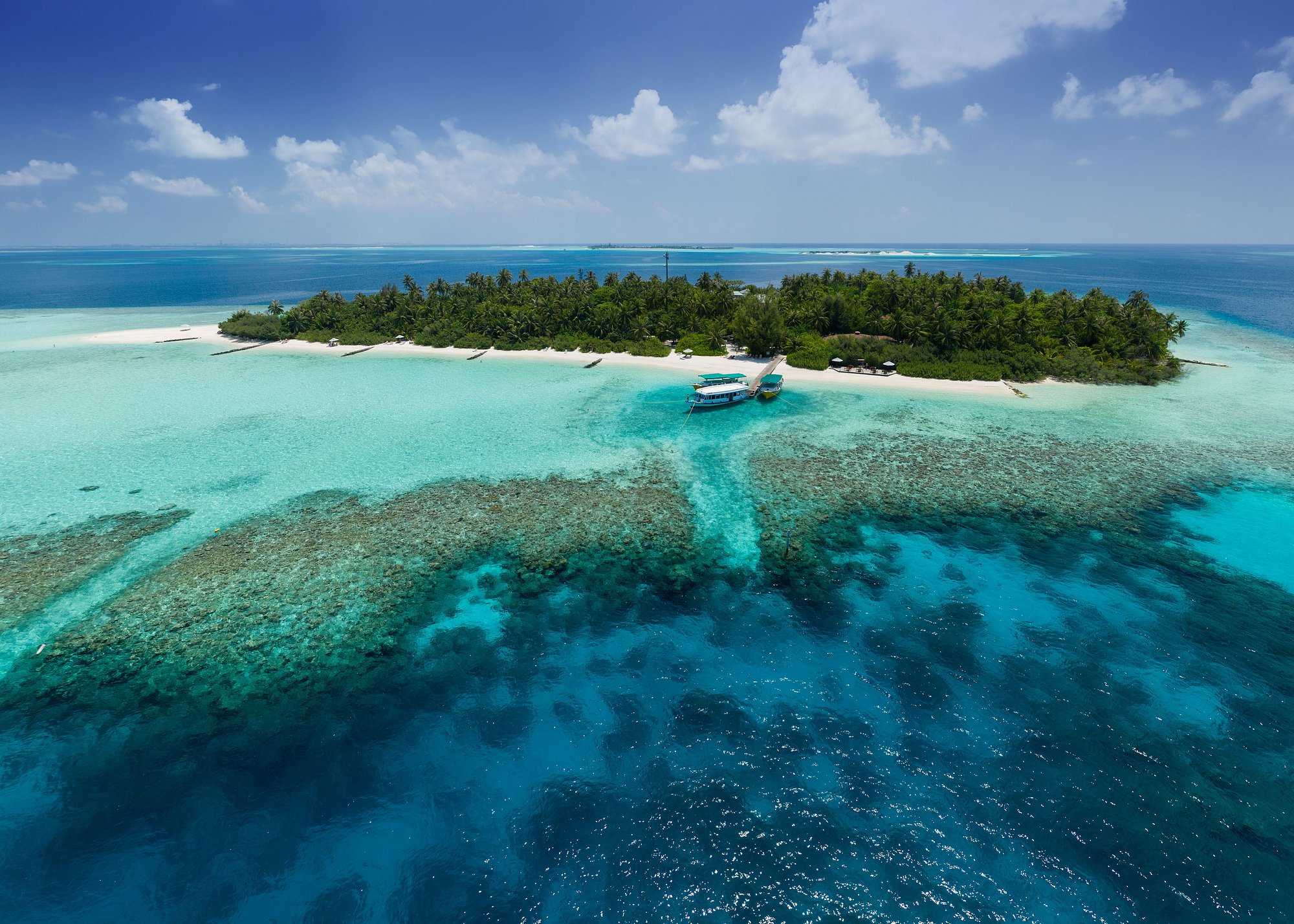
Some 40 sites from the dive base's own dhoni — the Embudu Express drift is 15 minutes out — and a house reef dropping to 30 metres along six current-free routes; nitrox available.
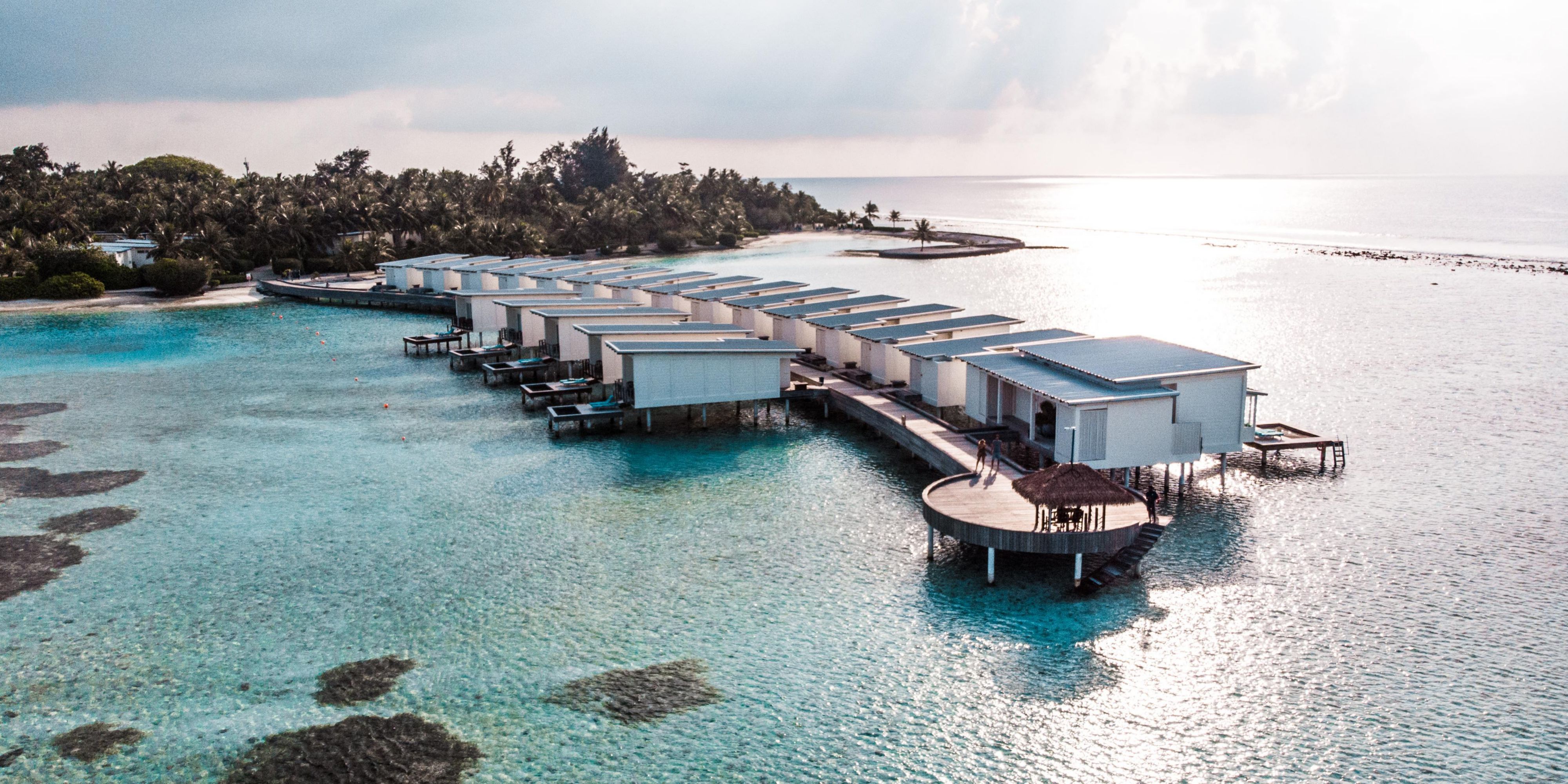
Close to Kandooma Thila, one of South Malé's best-known dives, with Guraidhoo Corner and Cocoa Corner on the dive list and nitrox available.
Shark channels: Vaavu
Vaavu's channels — Fotteyo and Miyaru Kandu — are some of the sharkiest drift dives in the Maldives, and Alimathà's nurse sharks make for a memorable night dive.
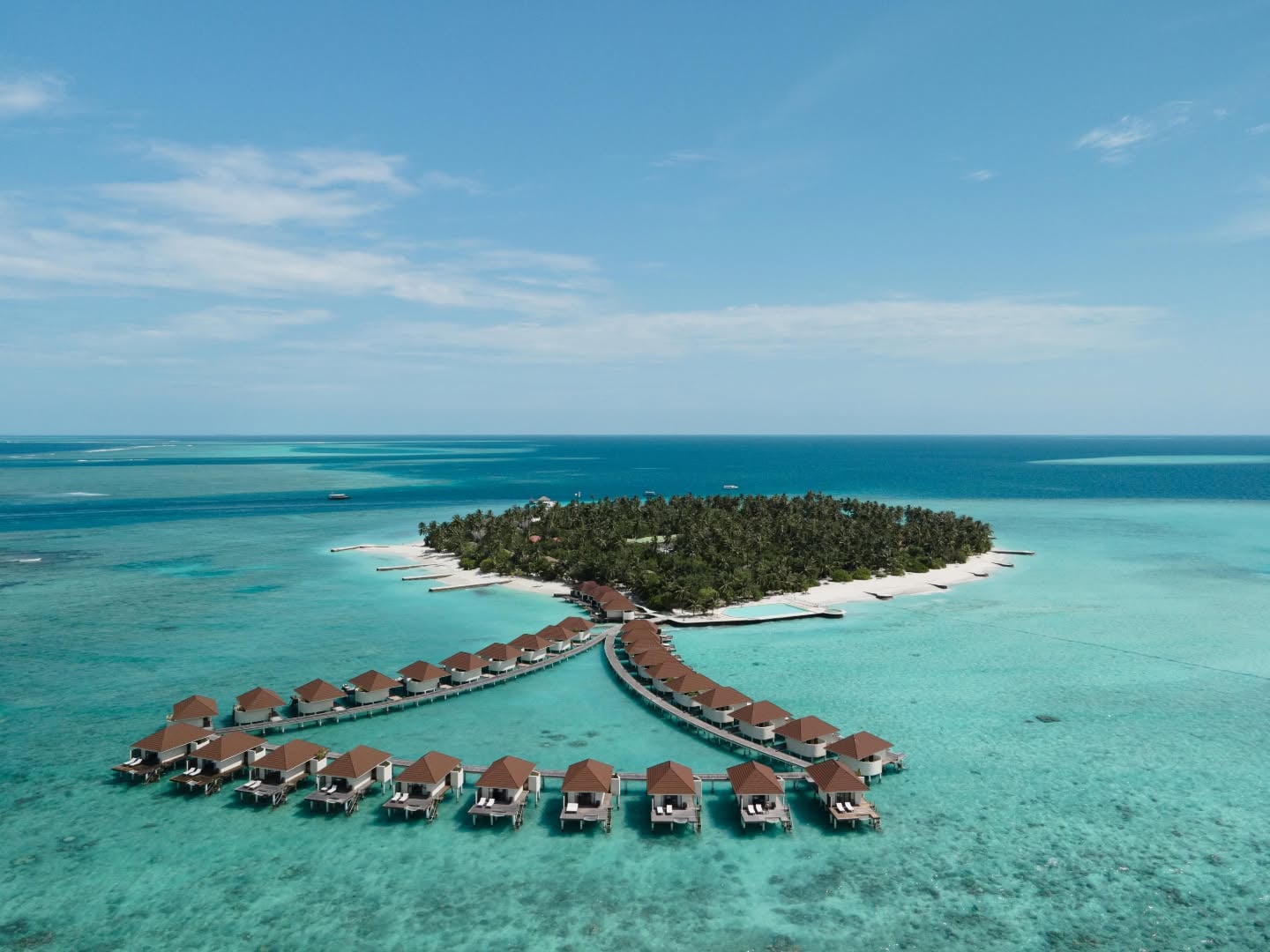
Nurse sharks on the house reef, and Miyaru Kandu — one of Vaavu's shark channels — a short boat ride away.
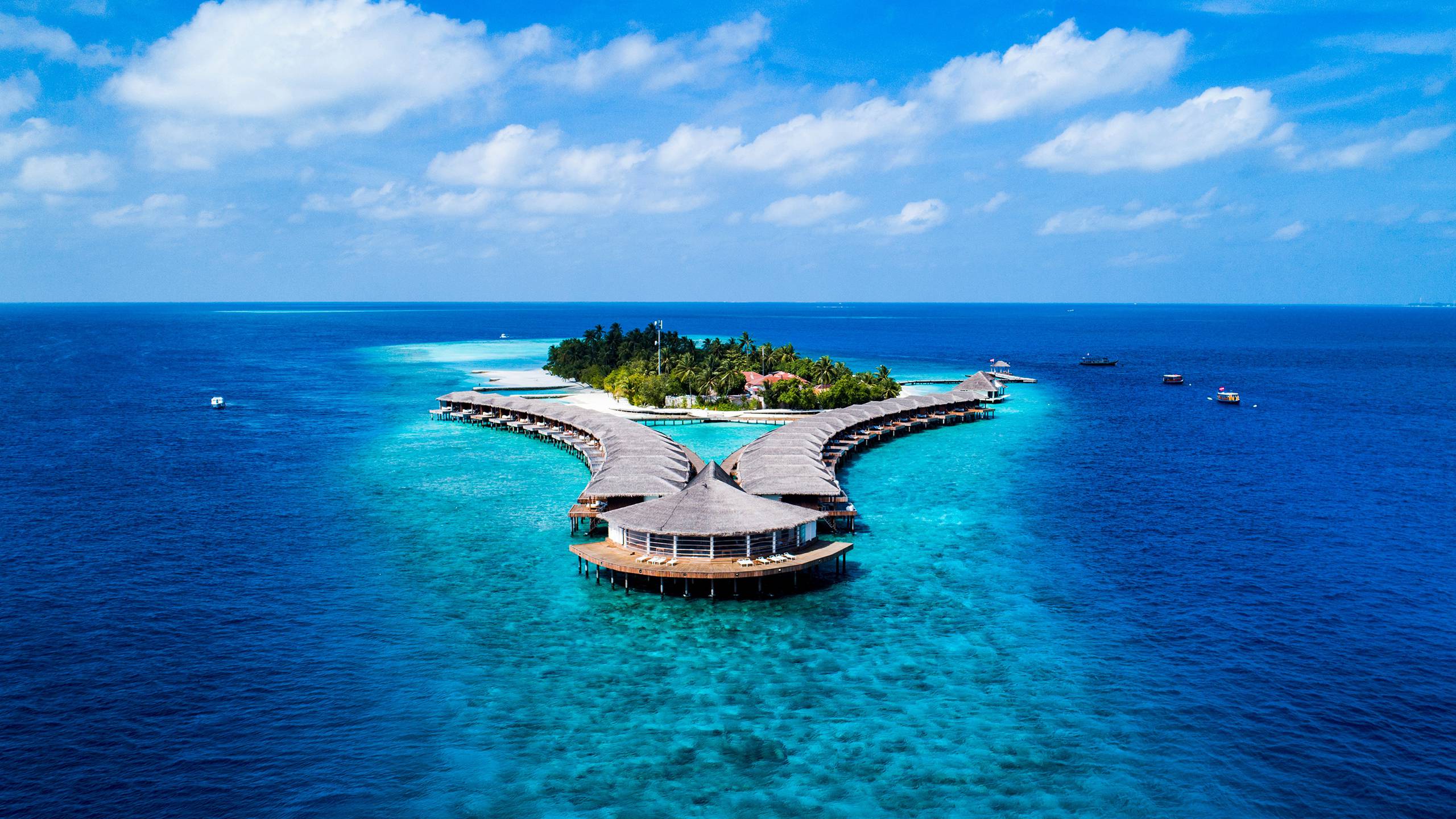
Alimathà's quieter neighbour, with Miyaru Kandu about 25 minutes by boat and the Rakeedhoo channel on the dive list.
Wrecks, walls & fast channels: Lhaviyani & Faafu
Lhaviyani's Kuredu Express and the twin wrecks of the Shipyard are classic advanced dives; Faafu, further south, is quieter, with walls and wrecks of its own.
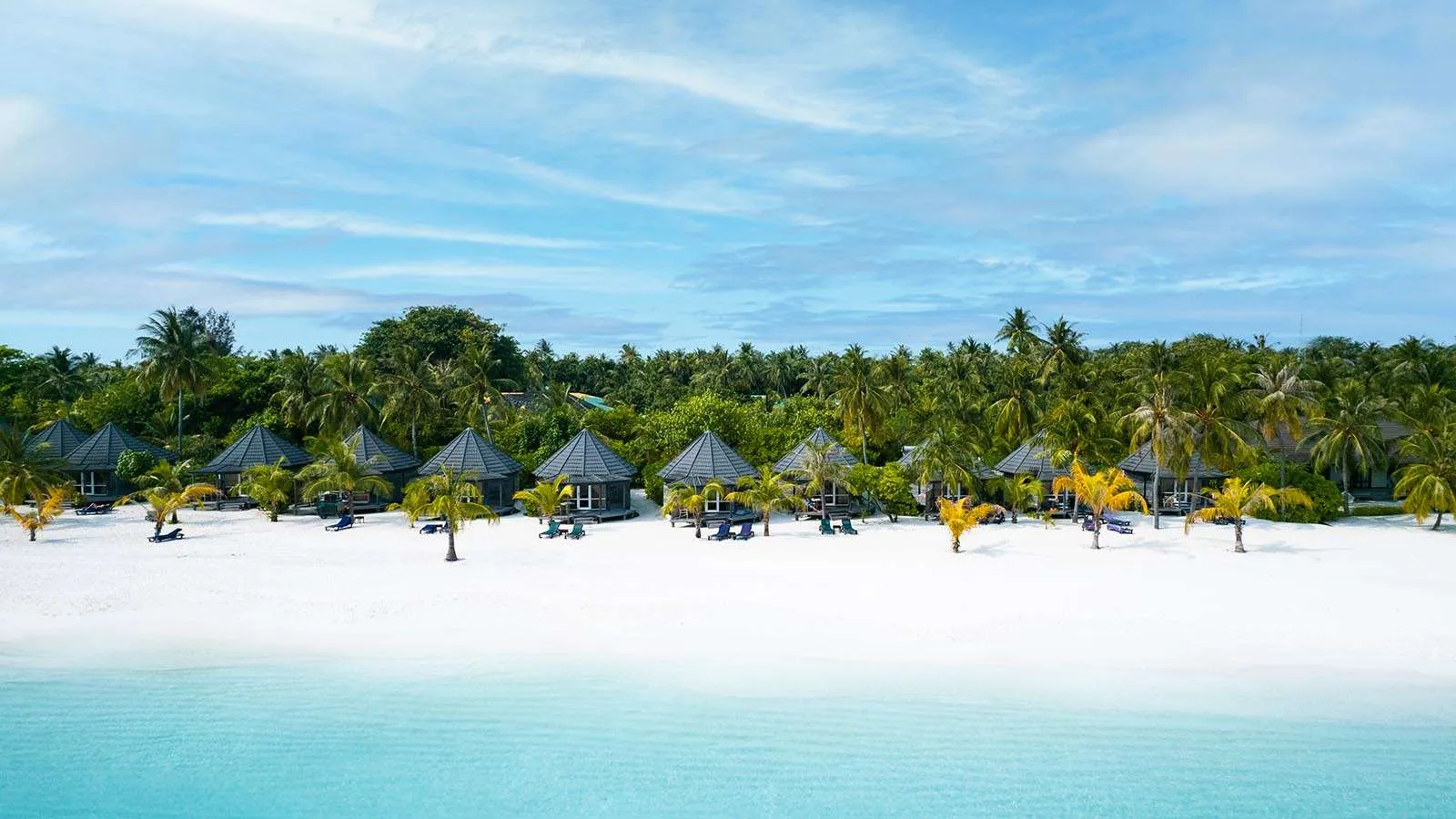
One of the biggest dive operations in the Maldives: 60-plus sites including the Kuredu Express, nitrox free for certified divers, and a hyperbaric chamber on the island.
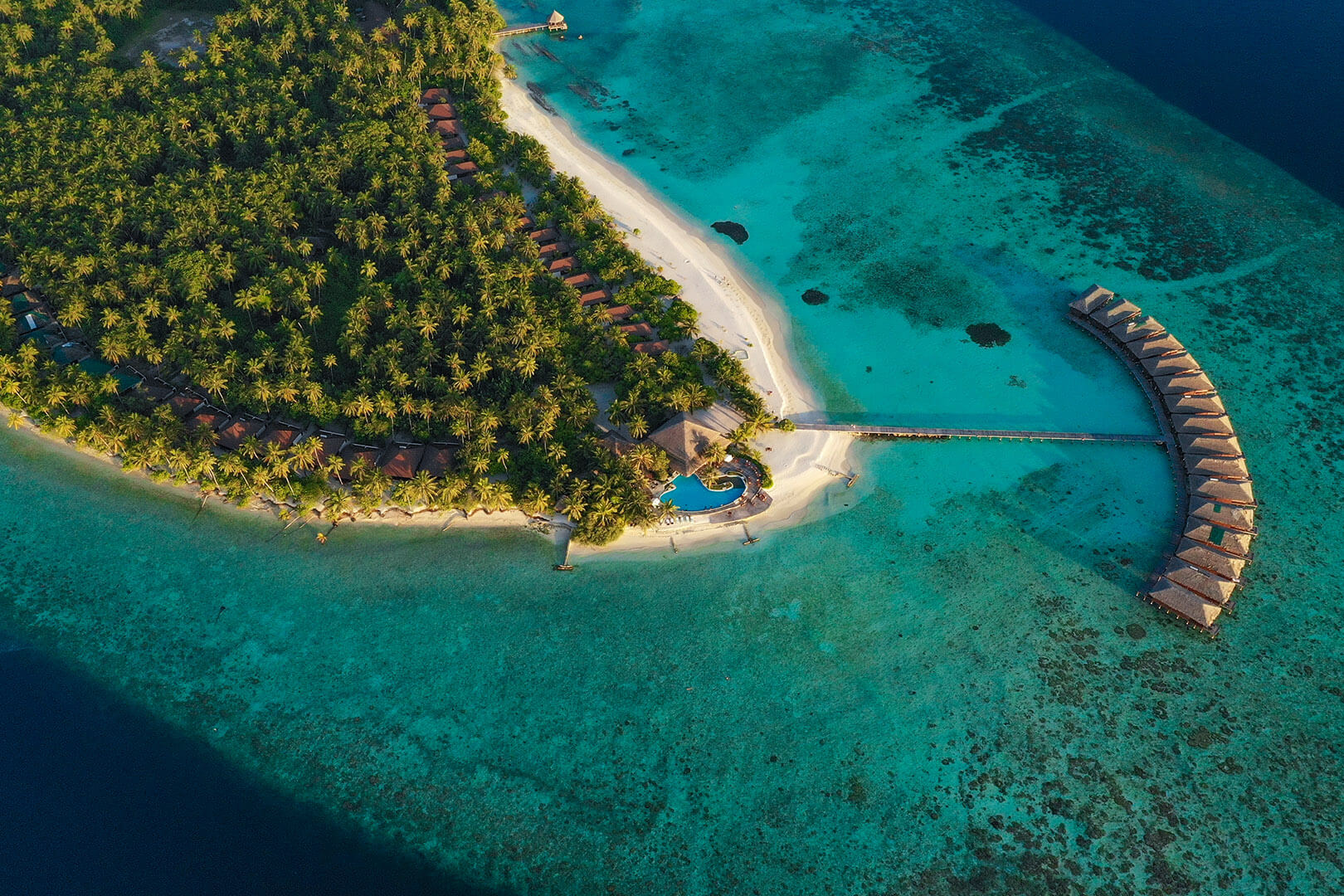
A classic divers' island in quiet Faafu: a north wall dropping past 50 metres, two scuttled wrecks and 30-plus atoll sites.
Further south: Laamu, Huvadhoo & Addu
A domestic flight buys emptier channels. Huvadhoo (Gaafu) is one of the largest atolls in the world, Laamu sees mantas year-round, and Addu holds the British Loyalty wreck. For Fuvahmulah's tiger sharks, divers usually come by liveaboard or stay on the island itself.
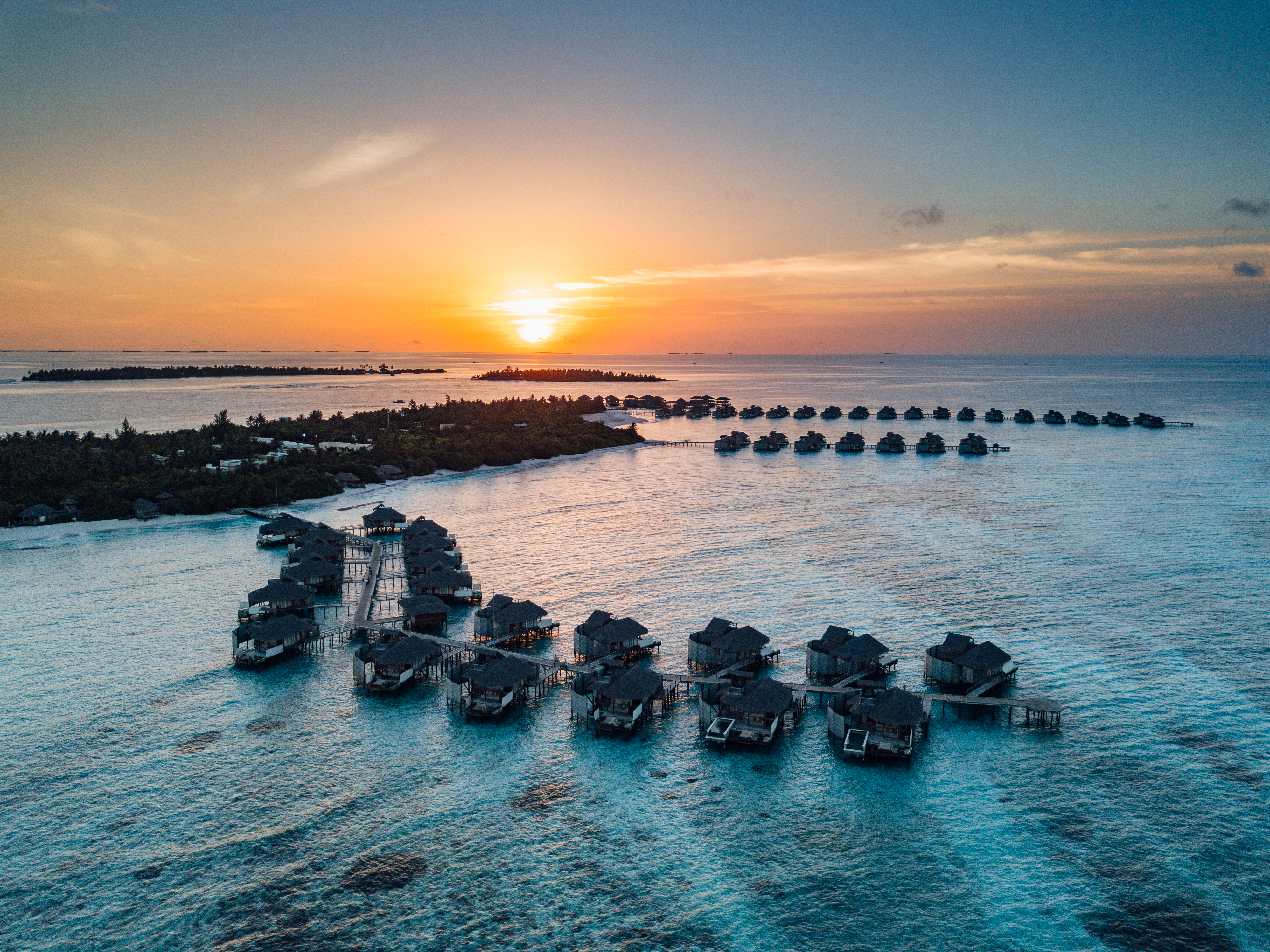
A manta cleaning station at Hithadhoo Corner about ten minutes by boat, Manta Trust research since 2014, and nitrox free for certified divers. Mantas are seen year-round, though never guaranteed.
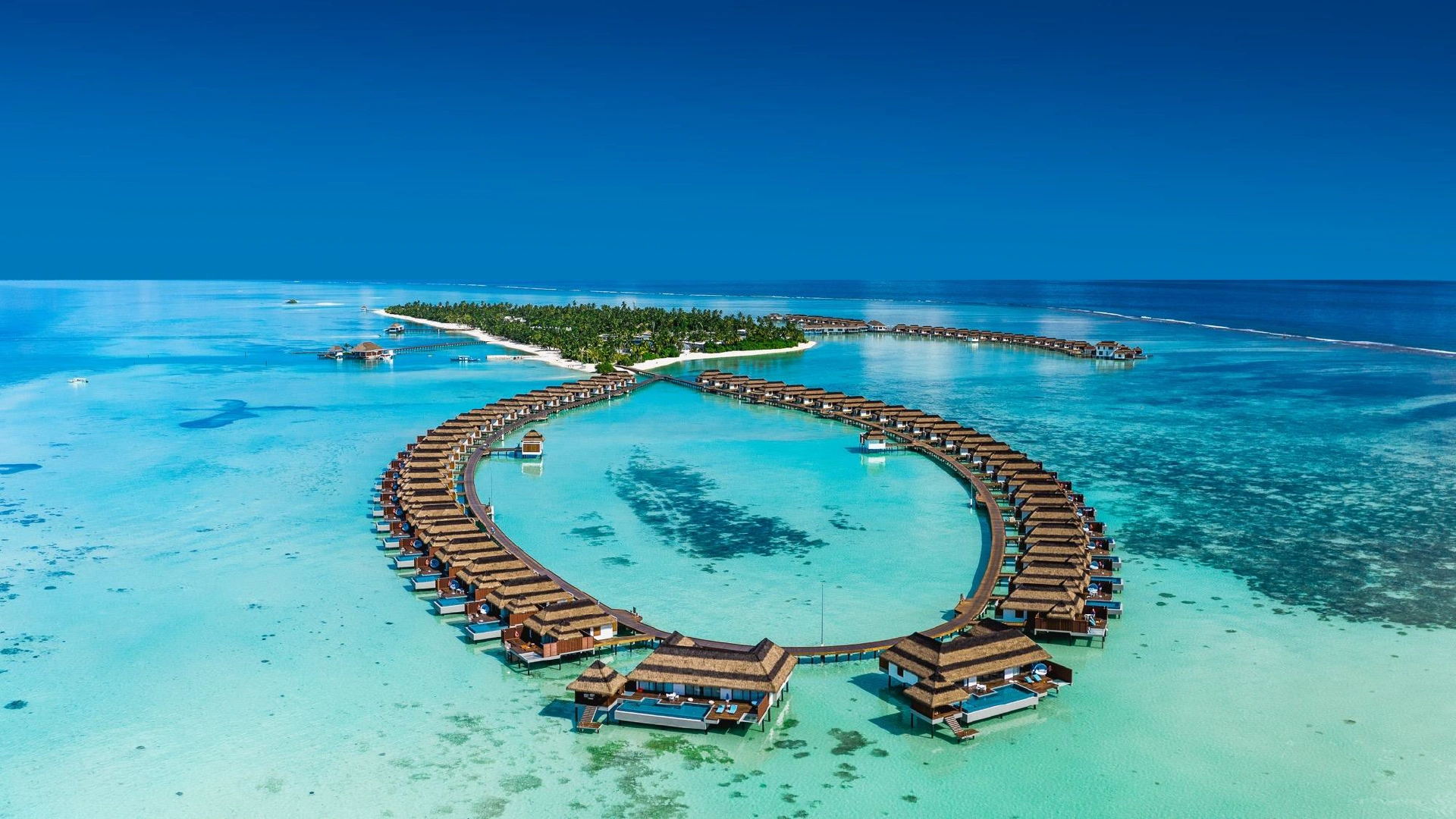
26 dive sites across Huvadhoo, where the dive centre reports up to 13 shark species, run as a PADI Eco Center.
Complimentary 32% nitrox for certified divers, house-reef dives straight from the shore, and the channels of Huvadhoo within reach.
A simple base for Addu's big two: the British Loyalty wreck about 20 minutes by dhoni, and the mantas of Manta Point — from a dive centre with around 30 sites.
What Diving the Maldives Costs
Resort dive centres charge per dive, and a package of dives brings the per-dive price down; liveaboards bundle cabin, meals and diving into one price. Indicative 2026 prices in US dollars:
- One guided dive$77–116Per dive at resort dive centres, taxes included; the boat trip ($23–45) and rented kit are often charged on top.
- Ten-dive package$45–115Per dive — about $67–84 at most centres, from tank-and-weights-only at the low end to boat, kit and guide included at the top.
- Equipment hire$16–57Full set per dive, typically $26–35; mask, fins and snorkel are usually free on dives.
- NitroxOften freeFree for certified divers at many resort centres; others charge about $5–13 a fill.
- Discover Scuba$135–260A first try in the lagoon or on the house reef; about $265–350 with a boat dive.
- PADI Open Water$785–1,075The full entry-level course, all in.
- Advanced Open Water$550–890At resort dive centres; often cheaper on a liveaboard.
- Liveaboard (7 nights)$2,000–3,650Per person; bundles cabin, meals and diving — often the cheapest per dive.
- TaxesIncludedThese figures include the 10% service charge and 17% T-GST; many price lists quote before them (marked ++).
Ranges come from the 2026 price lists of resort dive centres — Prodivers, Euro-Divers, Dive Bandos, Werner Lau, Ocean-Pro and others — and from liveaboard operators. Check the current list for your resort before you go.
Budget a little cash for crew tips: a few dollars per tank for the dhoni crew and guide is customary after a good trip.
Diving Safety & the Rules
Most Maldives diving is drift diving in warm, clear water: comfortable, but the current, the depth and the distance from help all deserve respect. These are the rules every dive centre works to, and the practical points that follow from them.
The rules
- Maximum depth is 30 m for every recreational dive, and 20 m for entry-level divers until they are trained to go deeper.
- Only no-decompression diving is allowed, and solo diving is banned.
- Every diver carries a depth and time device. In practice, most dive centres insist on a dive computer.
- Every dive ends with a safety stop of at least three minutes at 5 m.
- If you have fewer than 30 logged dives, or haven't dived in the past three months, you start with an orientation dive.
- Night dives are allowed, with a torch, a signalling light and a reflective surface marker buoy.
From the Maldives Recreational Diving Regulation (2003, amended 2013). Dive centres often add rules of their own.
Currents and reef hooks
Many of the best sites are drift dives in channels with real current, so operators commonly ask for Advanced Open Water plus experience, and beginners are guided to calmer reefs, giris and house reefs. At manta cleaning stations and fast channels, guides brief reef hooks: you hook into bare rock (never coral), hover on the line and let the current hold you still.
Flying after diving
DAN recommends at least 12 hours before flying after a single dive, and 18 hours after repeated dives or several days of diving. The official Dhivehi text of the Maldives regulation sets 24 hours before a flight in a pressurised aircraft, and most dive centres ask for 24 hours before an international flight and 12–24 hours before a seaplane. Plan your last dive for the day before you leave.
Recompression chambers and insurance
The Ministry of Tourism lists recompression chambers at Bandos, Kuramathi, Kuredu and Kandima resorts and at ADK Hospital in Malé, and a state-run hyperbaric centre opened at Guraidhoo in Thaa Atoll in September 2025. They are few and far apart, and seaplanes do not fly at night, so dive conservatively and carry dive insurance (DAN or equivalent) that covers chamber treatment and evacuation.
Conservation and encounter rules
The general Maldives rule is simple: never touch, chase or ride mantas, whale sharks or turtles. Hanifaru Bay in Baa is snorkel-only — no scuba since 2012 — with 45 minutes in the water per group, up to 80 people in the bay at once, licensed guides (one for every ten visitors) and a 3 m minimum distance from mantas and whale sharks. In the South Ari Marine Protected Area, stay at least 3 m from a whale shark's body and 4 m from its tail, never touch, and leave the flash off; boats slow to 5 knots near the sharks.
Many resorts run reef programmes you can join, from coral planting to manta research — see the conservation programmes in our snorkeling guide.
Frequently Asked Questions
Ready to start planning?
Tell us what you want under the water — channels and sharks, mantas, your first certification — and we'll match you with the right dive base, including exclusive packages.
Get a Recommendation