
Baa Atoll Resorts & Guide

The Maldives' first UNESCO Biosphere Reserve — a ring of 75 islands where the world's largest known gathering of manta rays meets the densest cluster of true luxury resorts in the country.
Why Baa Atoll Is Special
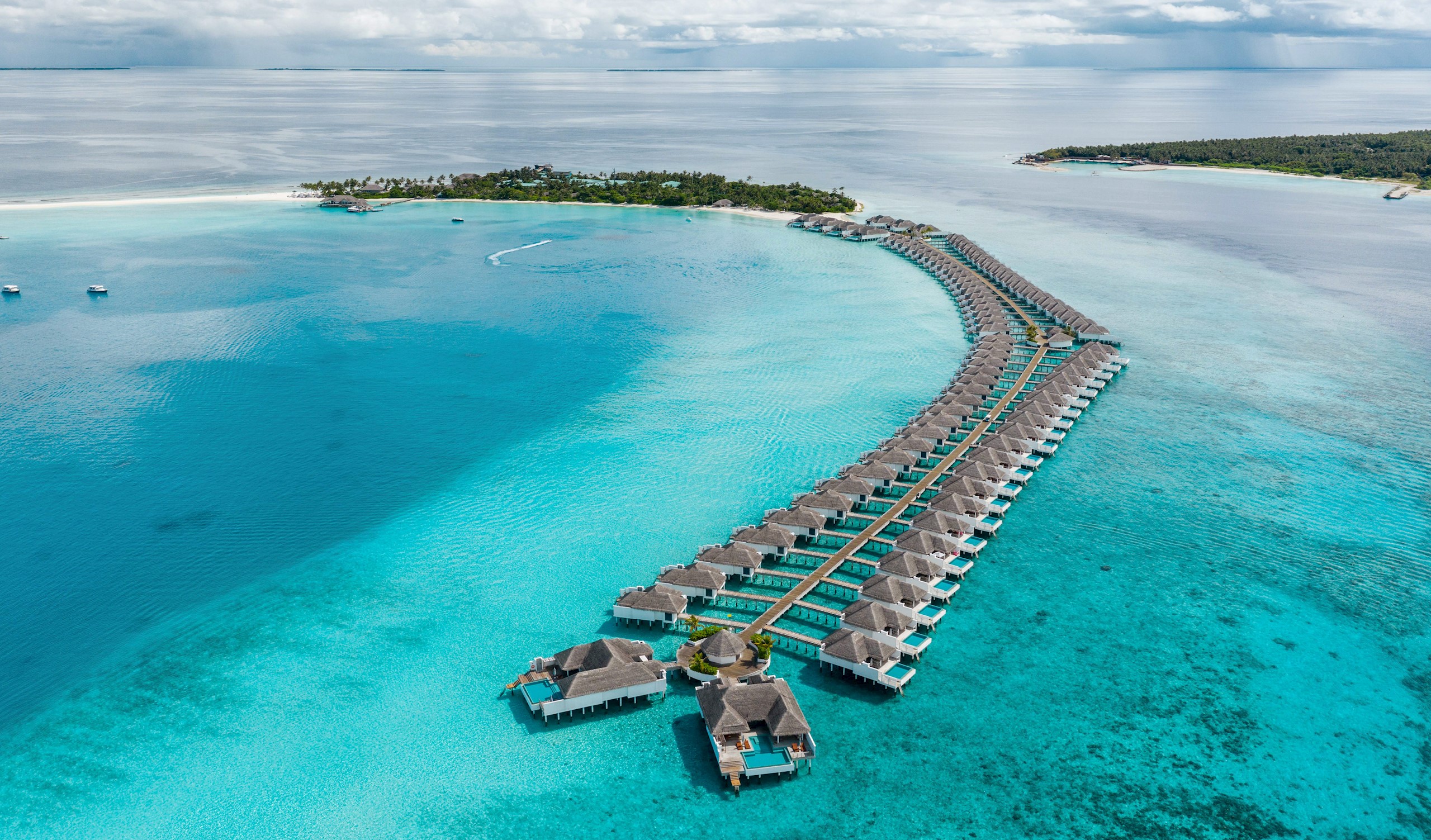
Baa Atoll sits about 120 km northwest of Malé, a near-circular ring of roughly 75 islands enclosing lagoons, channels and reef systems productive enough that UNESCO declared the entire atoll a Biosphere Reserve in June 2011 — the first in the Maldives (Addu and Fuvahmulah followed in 2020). UNESCO's listing credits the atoll with around 250 coral species and over 1,200 species of reef and ocean fish, all compressed into a space you can cross by speedboat in under an hour.
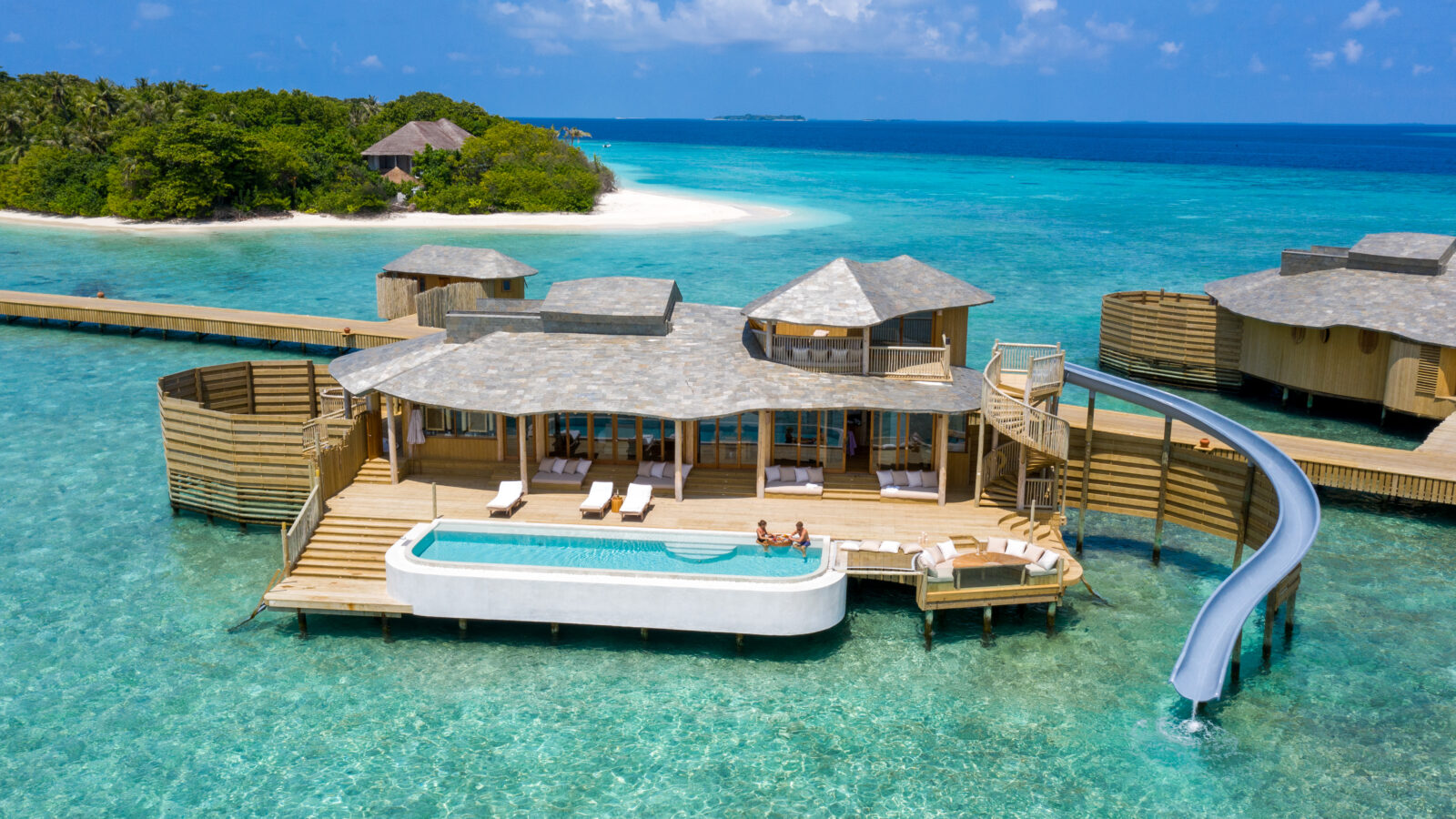
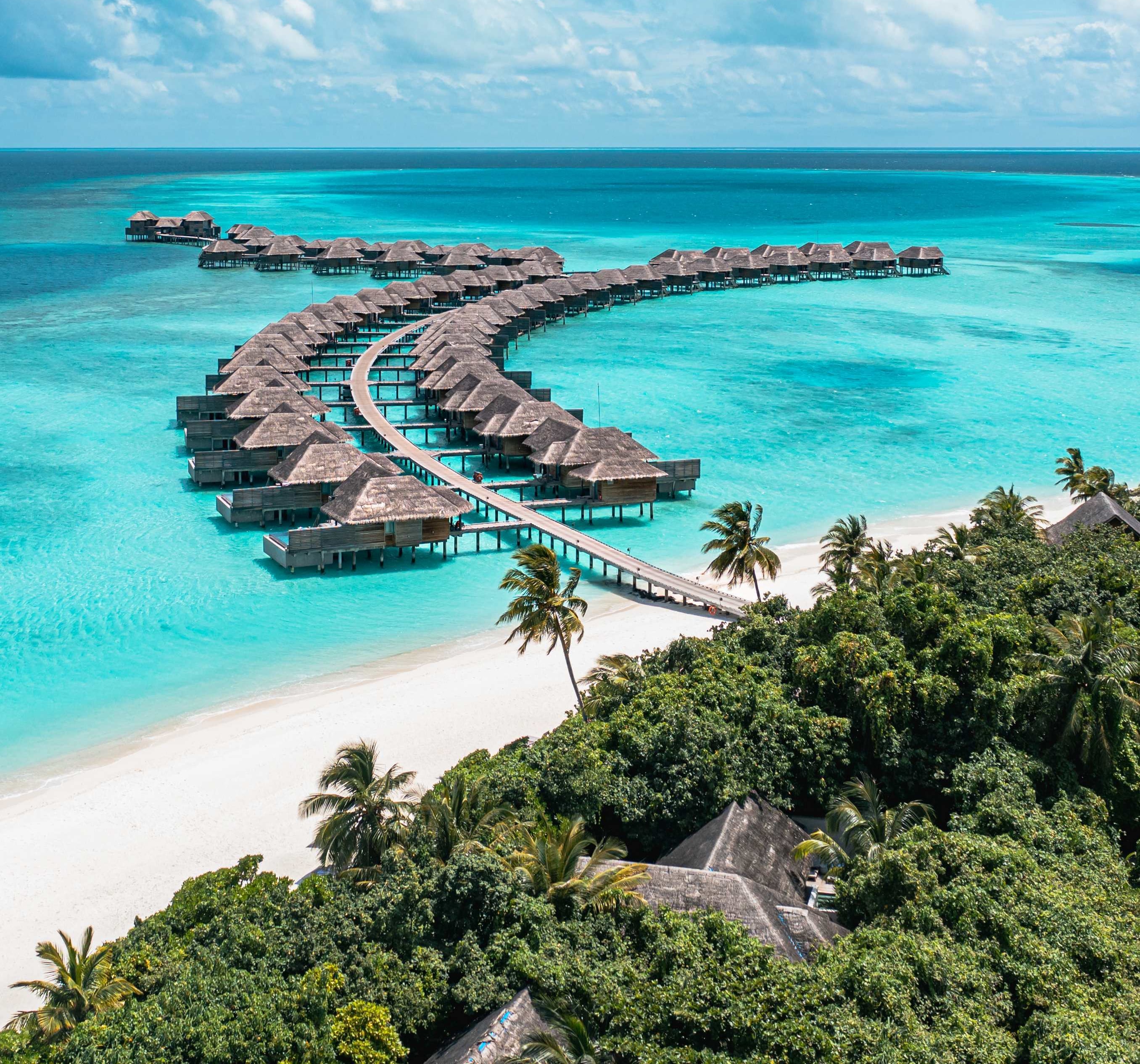
That protected status shaped what got built here. Rather than volume, Baa collected flagships: Soneva Fushi pioneered barefoot luxury on Kunfunadhoo in 1995, and Four Seasons Landaa Giraavaru, Anantara Kihavah, Vakkaru, Amilla and The Nautilus followed — five-star islands operating under conservation rules that keep reefs healthy and boat traffic regulated. The result is the highest concentration of genuinely top-tier resorts of any Maldives atoll, alongside characterful mid-range survivors like Royal Island — and Reethi Beach, relaunched in December 2025 as NH Collection Maldives Reethi.
And then there is Hanifaru Bay. For five to six months a year, a football-field-sized cul-de-sac of reef becomes the most reliable place on earth to swim beside dozens — sometimes hundreds — of feeding manta rays. No other atoll has anything like it; it single-handedly reshapes when you should visit (more below). For reef snorkelling outside manta season, see our Maldives snorkeling guide.
Baa Atoll Resorts — Every Property Compared
Eighteen resorts operate in Baa Atoll, skewed unusually far toward the luxury end — six of them sit in our ultra-luxury tier, more than any other atoll. Prices below are live package rates where we have them; tap any resort for the full review, villa comparison and reef rating.
- 1 Soneva Fushi
- 2 Four Seasons Landaa Giraavaru
- 3 The Nautilus Maldives
- 4 Milaidhoo Island
- 5 Anantara Kihavah
- 6 .Here Baa Atoll
- 7 Amilla Maldives
- 8 Vakkaru Maldives
- 9 Finolhu Maldives
- 10 Dusit Thani Maldives
- 11 Westin Maldives
- 12 Coco Palm Dhuni Kolhu
- 13 Avani+ Fares
- 14 Dhigufaru Island
- 15 Kihaa Maldives
- 16 NH Collection Reethi
- 17 Royal Island
- 18 Dreamland Maldives
Dot positions use each resort's published coordinates. Coming-soon properties appear in the tier list below once reviewed.
5 of the resorts below are running live package deals — look for the red tags, or browse the full Maldives deals page.
Hanifaru Bay — The Manta Capital of the World
Hanifaru Bay is a small, dead-end reef inlet on the eastern rim of the atoll. During the southwest monsoon — June to November, peaking July and August — lunar tides push plankton-rich water into the bay faster than it can drain, and reef mantas funnel in to feed. On a strong day the bay holds more than a hundred mantas barrel-rolling within metres of snorkellers, with whale sharks joining the buffet often enough that locals treat them as a bonus rather than a surprise. It is the largest known manta feeding aggregation in the world.
Because the spectacle is so concentrated, access is tightly managed. Hanifaru is a core conservation zone within the Biosphere Reserve: snorkelling only (scuba diving was banned under the protected-area rules), entry is by licensed boat with a ranger-controlled cap on how many people can be in the bay at once, sessions are limited to around 45 minutes, and touching or chasing the animals is prohibited. The restrictions are the reason the aggregation still happens — and they make the encounter feel orderly rather than chaotic, even in peak weeks.
There is no resort on Hanifaru itself; every visit is a boat excursion. The closest launch points are the resorts nearest the bay — Kihaa, about two kilometres away, then Dreamland, Dusit Thani and Amilla within about seven — but every resort in the atoll runs trips in season, typically coordinated around the tide windows their marine teams track daily. Several (Landaa Giraavaru's Manta Trust base most famously) put resident marine biologists on the boat with you.
- SeasonJune – November
- Peak weeksJuly – August
- AccessSnorkel-only · ranger-managed
- Mantas on a strong day100+
Things to Do in Baa Atoll
Hanifaru gets the headlines, but the reserve fills a week without it — this is the atoll where excursions revolve around protected water and living culture rather than water-sports inflatables.
Here for what's underwater? Our Maldives diving guide covers the signature dive sites, seasons and the resorts built for divers, and our snorkeling guide rates every house reef.
Thirteen of Baa's islands are inhabited. Eydhafushi is the small, busy capital; Dharavandhoo holds the airport, a growing guesthouse scene and the closest beds to Hanifaru Bay; Thulhaadhoo is the lacquerware island; and the western Goidhoo arm — Goidhoo, Fulhadhoo and Fehendhoo — hides some of the emptiest beaches in the country.
Getting to Baa Atoll
Baa is a seaplane-belt atoll with a useful back door. The default is a 30–40 minute seaplane straight from Velana International (daylight hours only, resort-arranged). The alternative many guests miss: a ~20 minute domestic flight to Dharavandhoo Airport (DRV) on the atoll's eastern rim, then a 10–30 minute speedboat — it runs after dark, usually costs less, and lands you minutes from the Hanifaru-side resorts. Full transfer logistics in our getting-to-the-Maldives guide.
- SeaplaneDirect from Velana International; daylight hours only
- Domestic flight + speedboatVia Dharavandhoo (DRV); operates after dark, ideal for evening arrivals
Travelling on a guesthouse budget? Scheduled speedboats run Malé → Dharavandhoo and Eydhafushi in roughly 2–2.5 hours — the local-island route into the Biosphere Reserve.
Best Time to Visit Baa
- Wind
- –
- Rain today
- –
- Peak UV
- –
- Sunrise
- –
- Sunset
- –
- – – –
- – – –
- – – –
- – – –
- – – –
- – – –
- – – –
Forecast: MET Norway · Weather alerts: Maldives Meteorological Service
Baa forces an honest choice. The manta aggregation runs June to November — squarely inside the wetter southwest monsoon, when you trade some sunshine and visibility for the best big-animal encounter in the Indian Ocean. The dry season, December to April, brings glassy lagoons and 25 m+ visibility on the house reefs, but the bay goes quiet.
If mantas are the point of the trip, book July–August and accept a few showers; resorts run multiple bay trips weekly and hit rates are excellent. If you want a blend, target October–November: the monsoon is easing, mantas are still feeding, and shoulder-season rates apply. For pure beach-and-villa weather, December–April is unbeatable — just know what you're skipping. Broader context in our best time to visit guide.
Baa or South Ari?
The classic head-to-head, because each owns one of the Maldives' two great megafauna encounters. Baa is mantas: seasonal, concentrated, snorkel-only, with the country's strongest luxury bench. South Ari is whale sharks: resident year-round along a protected outer reef, with a broader spread of price points and a domestic-airport back door of its own.
Rule of thumb — travelling June to November with a flexible budget: Baa. Travelling December to April, or determined to see the biggest fish in the sea regardless of month: South Ari. Indecisive honeymooners with ten nights have been known to split the difference — the seaplane network makes a two-atoll itinerary genuinely workable.
Frequently Asked Questions
Ready to start planning?
Tell us your dates and what you want from Baa — manta season at Hanifaru, a UNESCO-grade house reef, a specific villa category — and we'll match you to the right island, with exclusive package pricing where we have it.
Get a Recommendation