Updated March 2026 · Based on 68 independently rated house reefs
The complete guide to Maldives snorkeling: which resorts have the best house reefs, where to find whale sharks and manta rays, what to expect in the water, and how to choose the right reef for your trip.
68
Reefs Rated
11
Species Tracked
21
Rated 8+
50
Shore Entry
In this guide
Overview
Why the Maldives Is the World's Best Snorkeling Destination
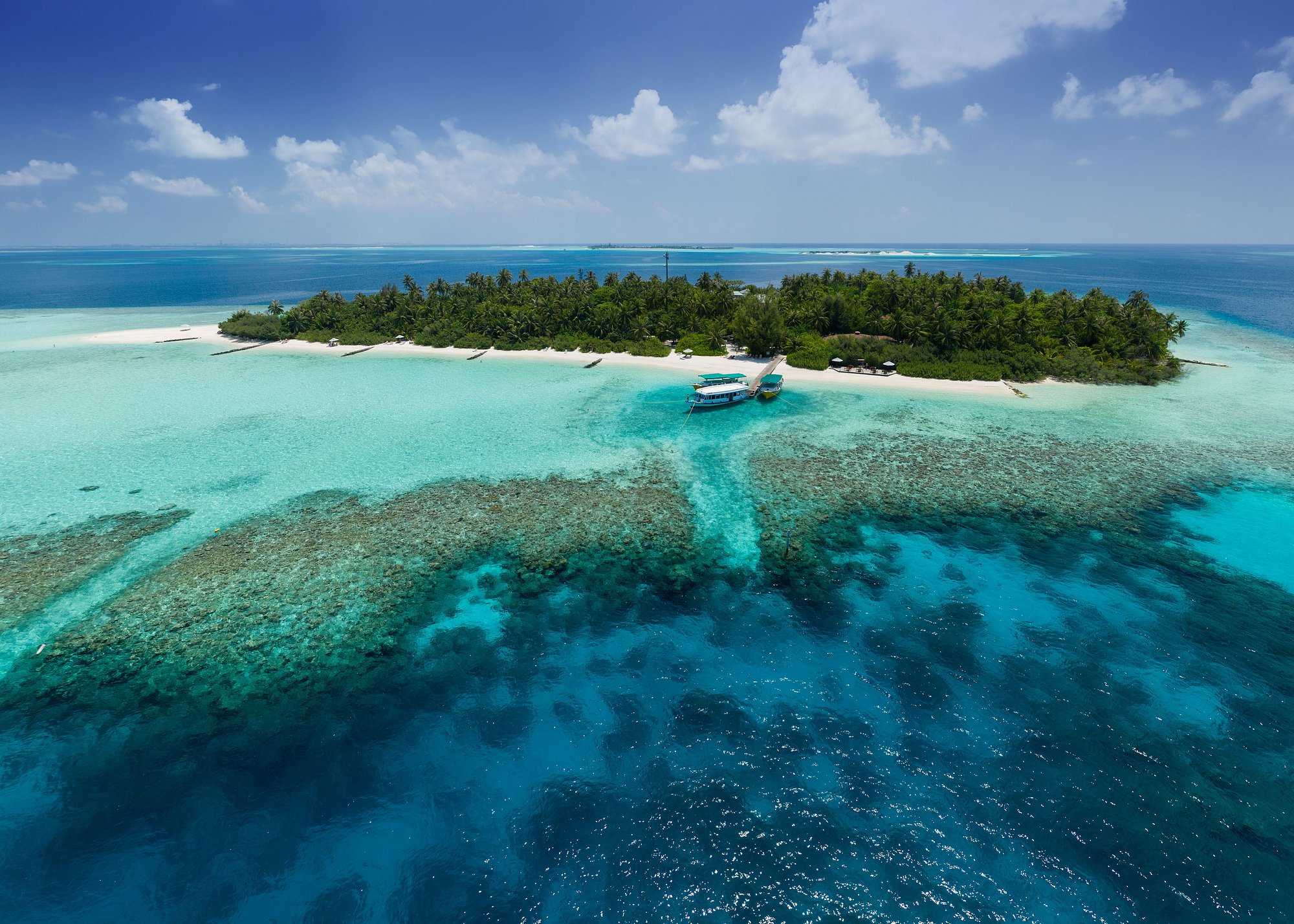
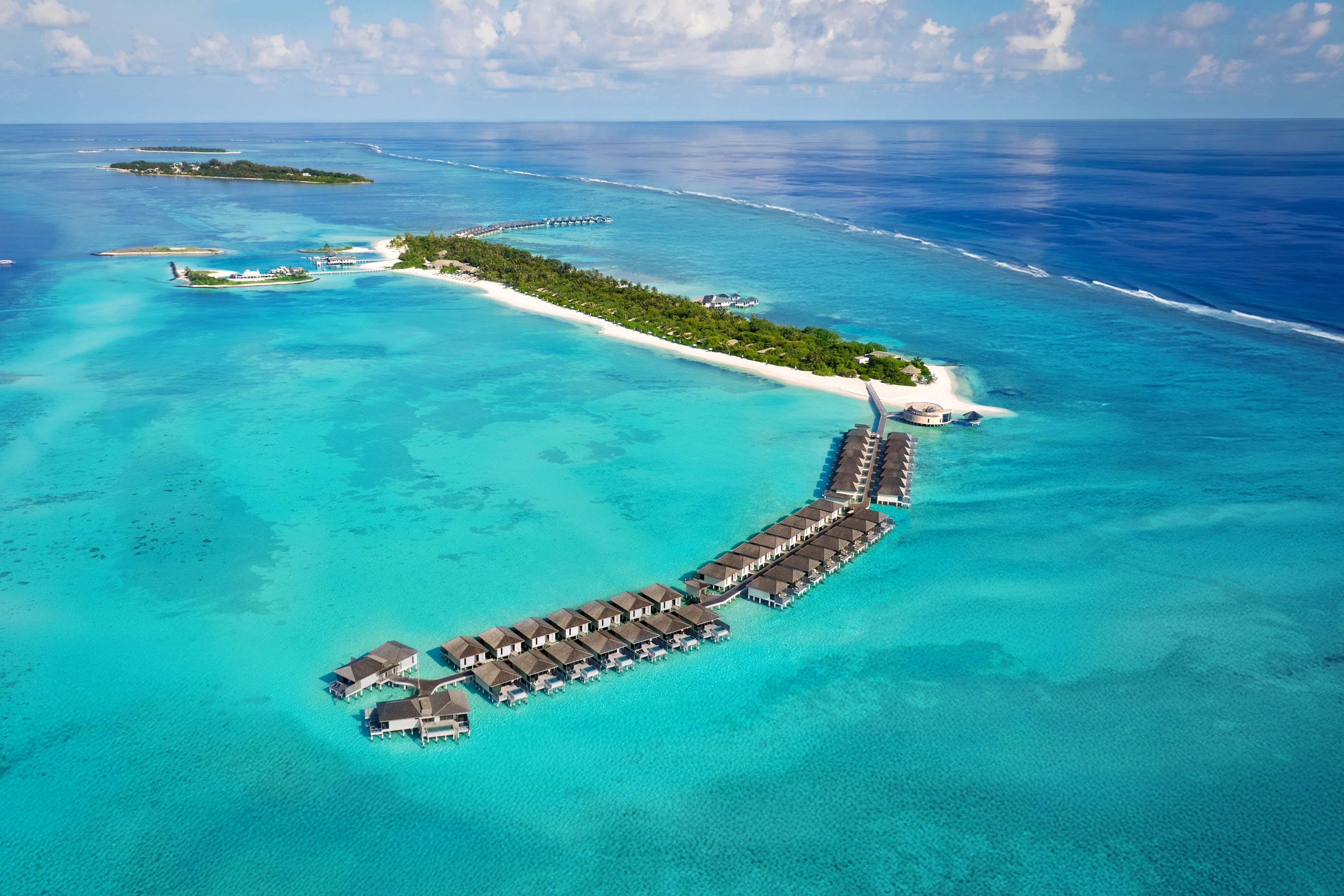
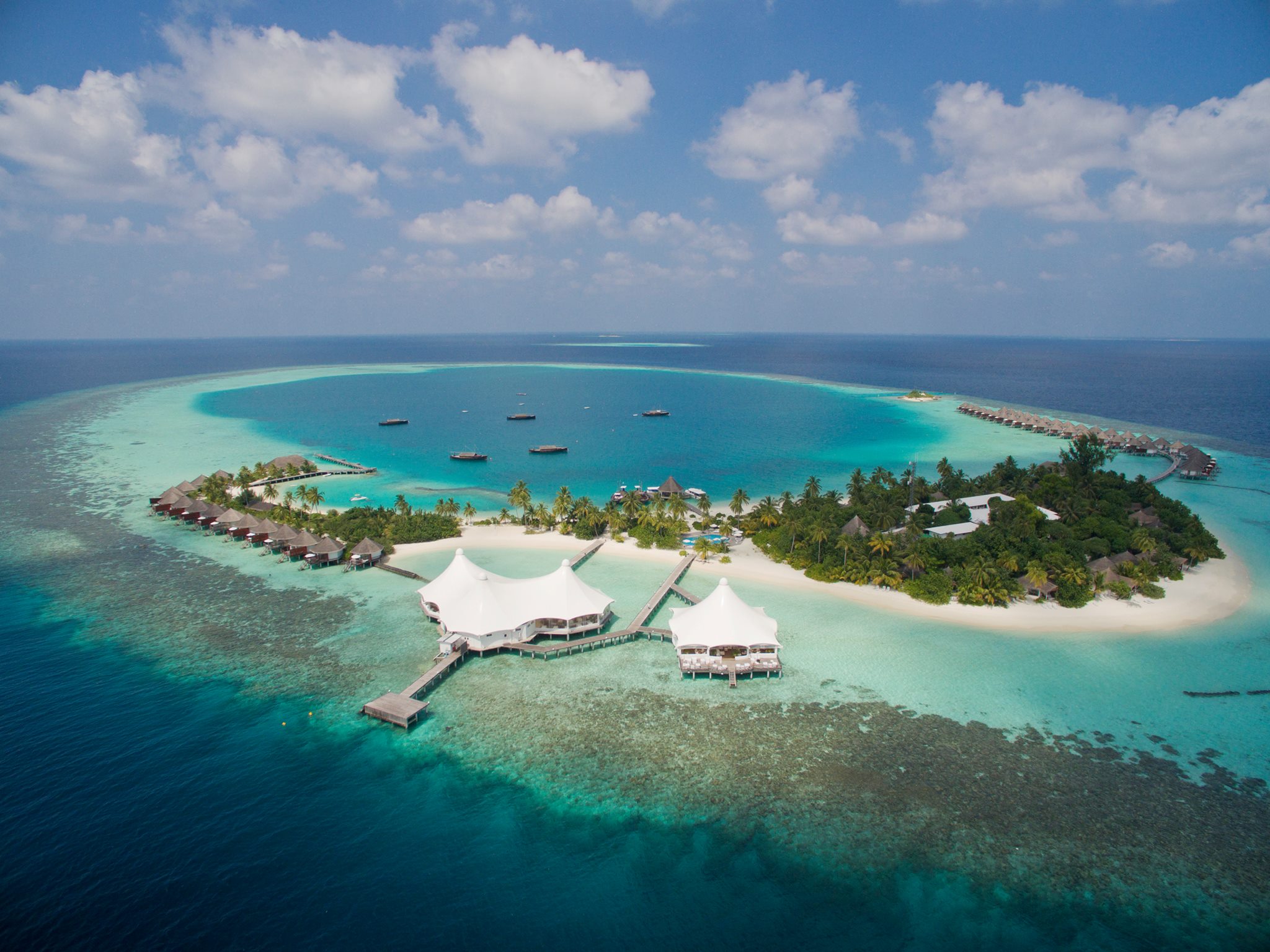
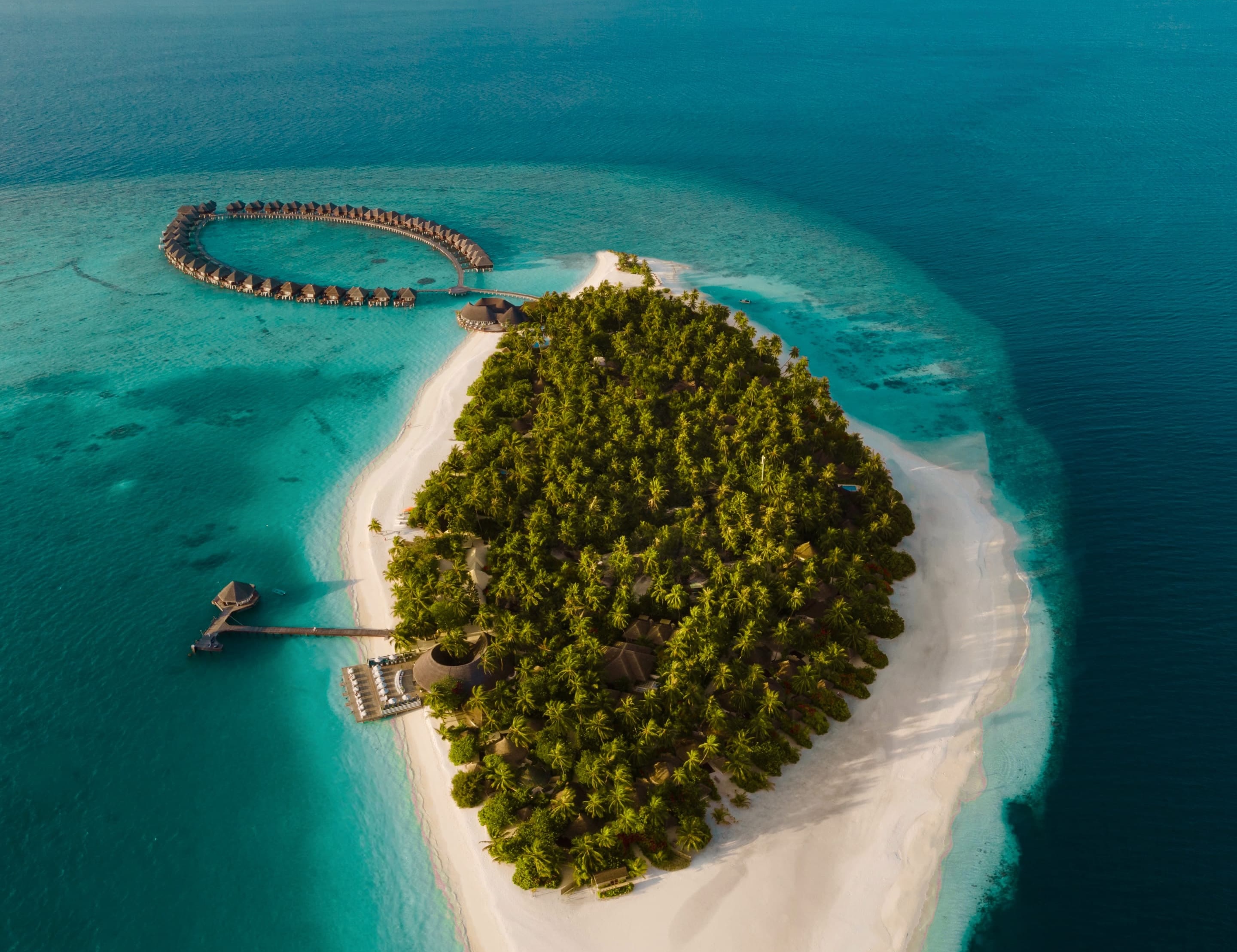
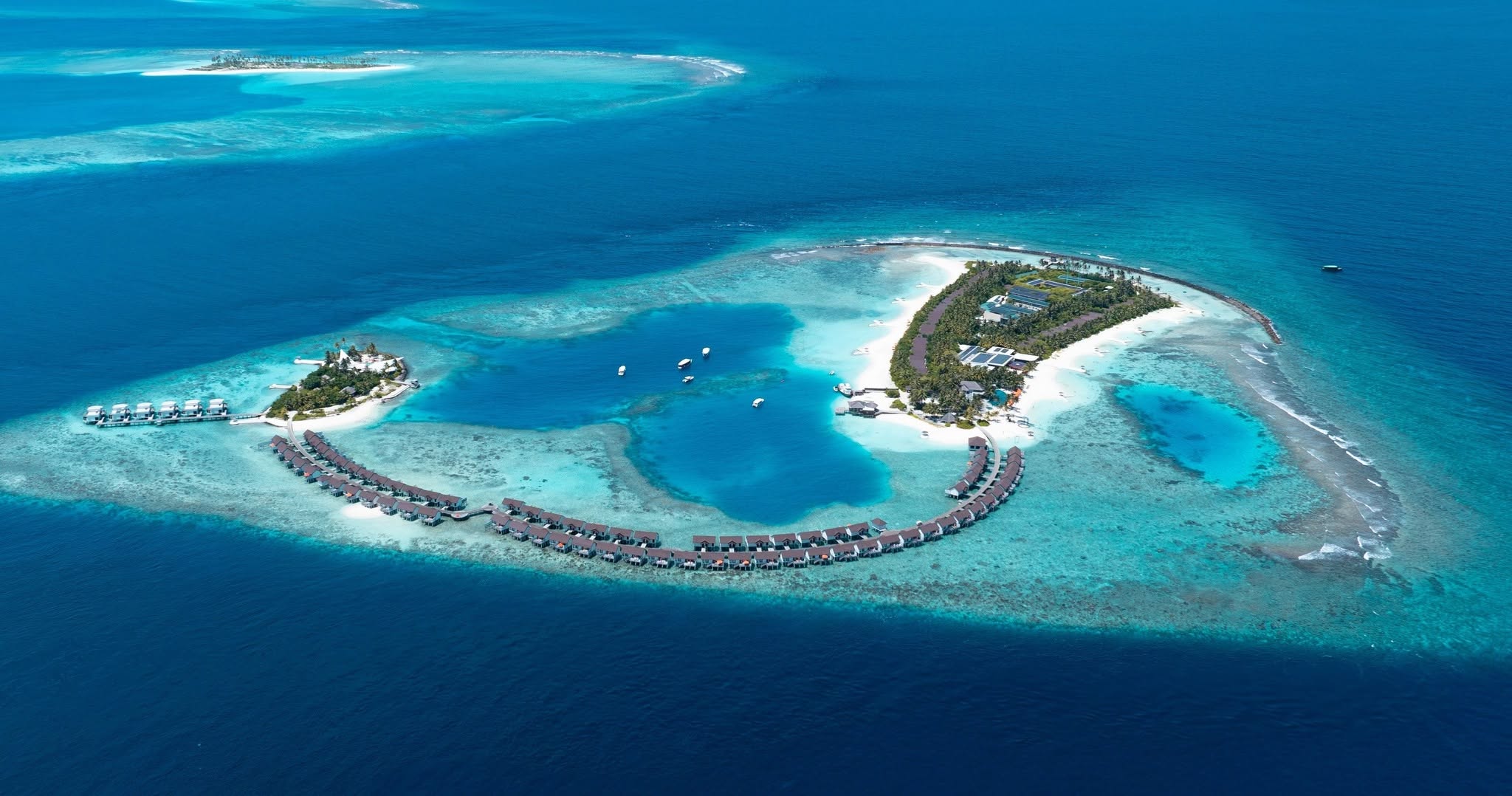
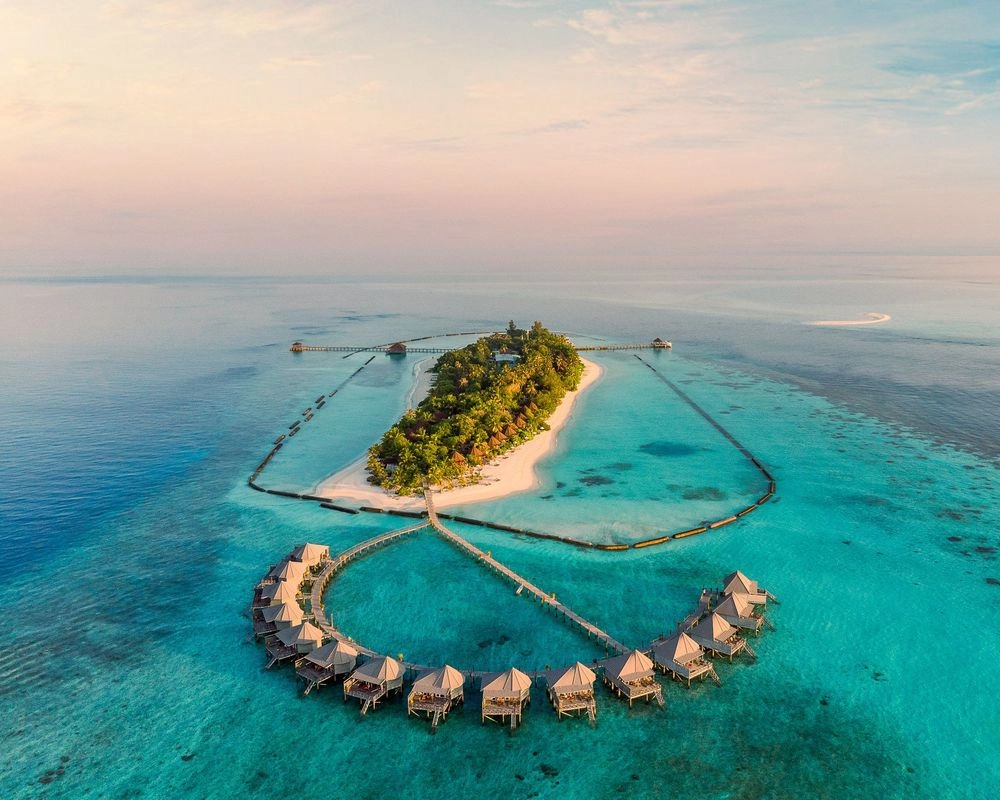
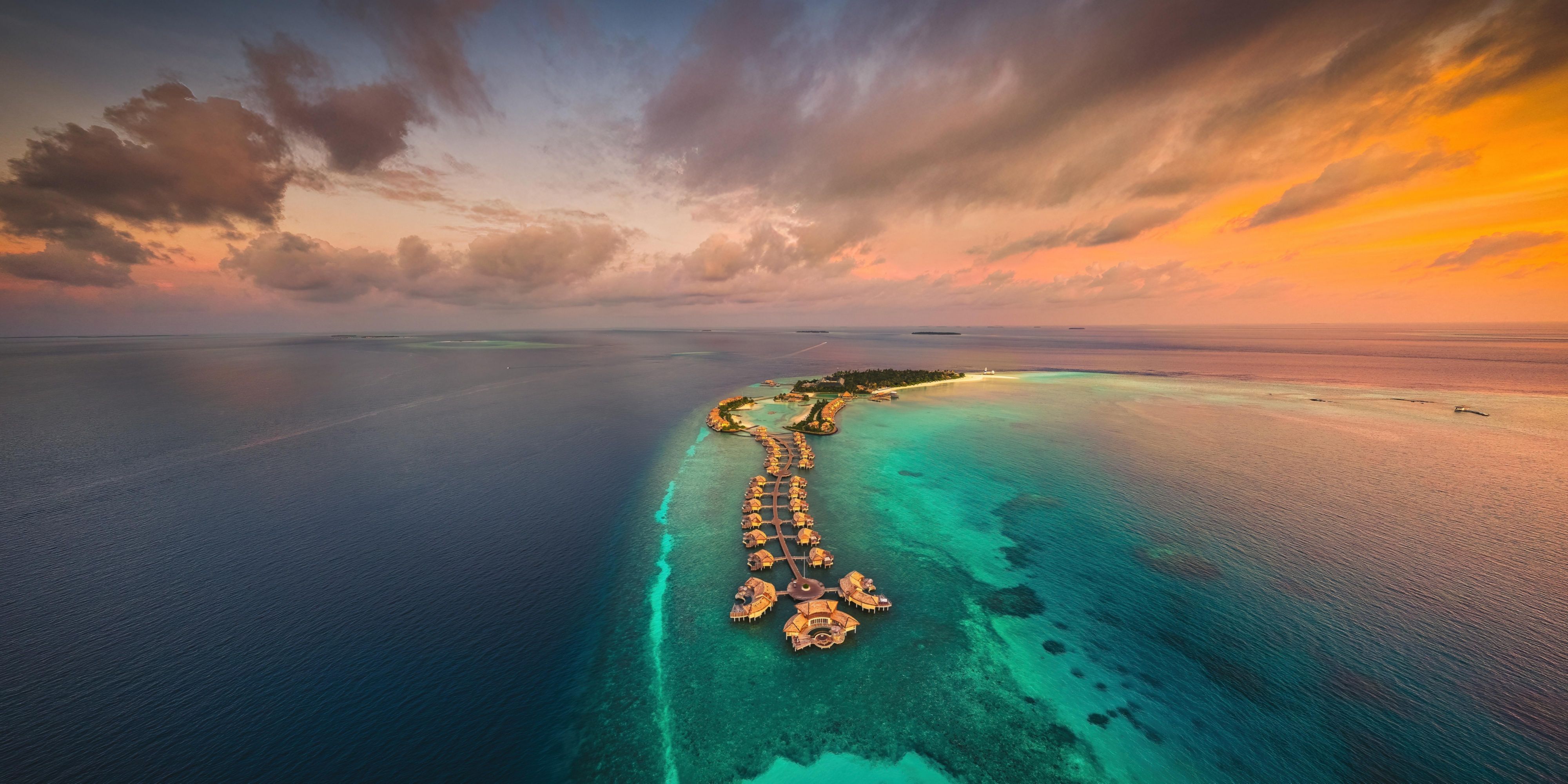
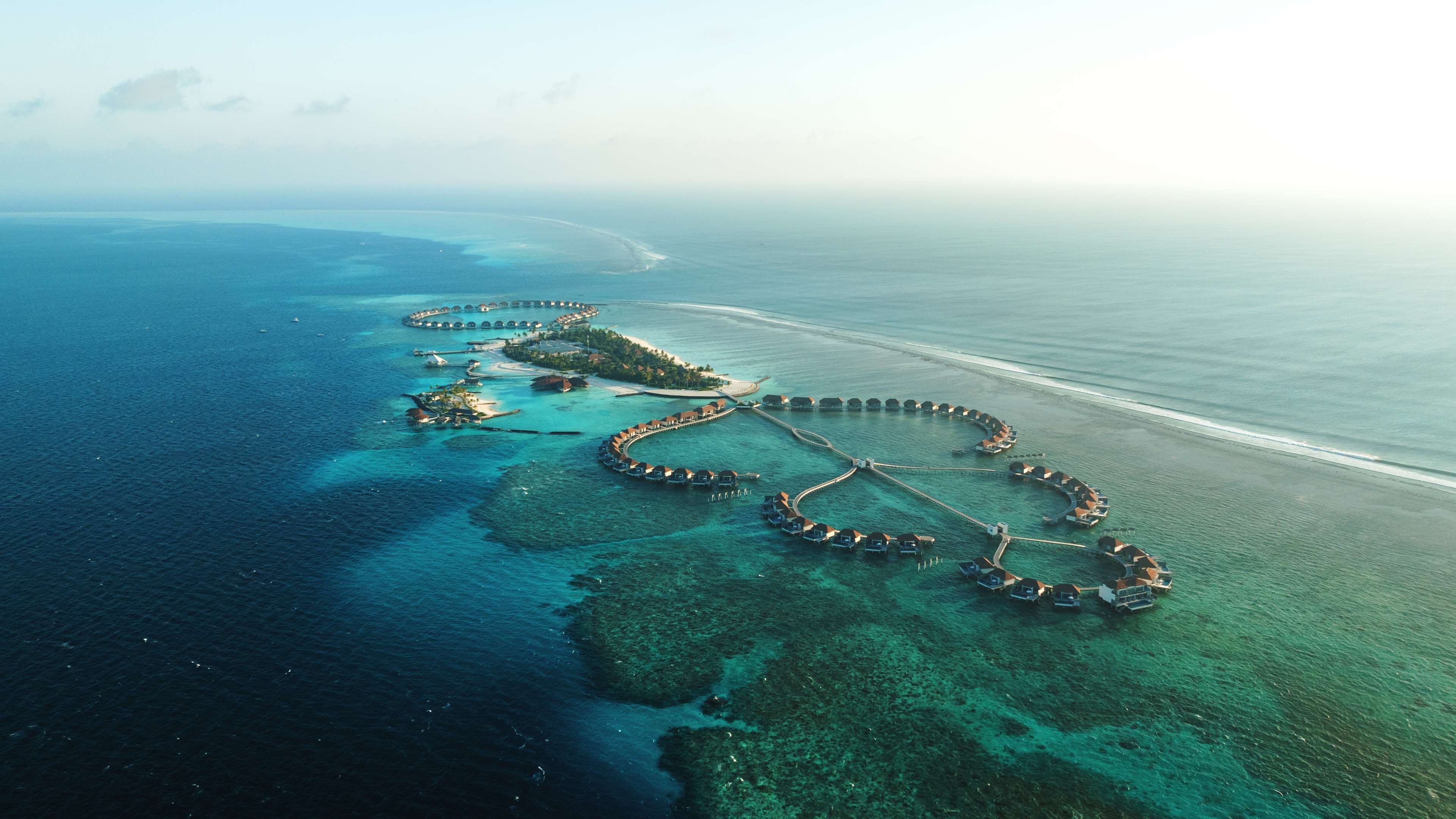
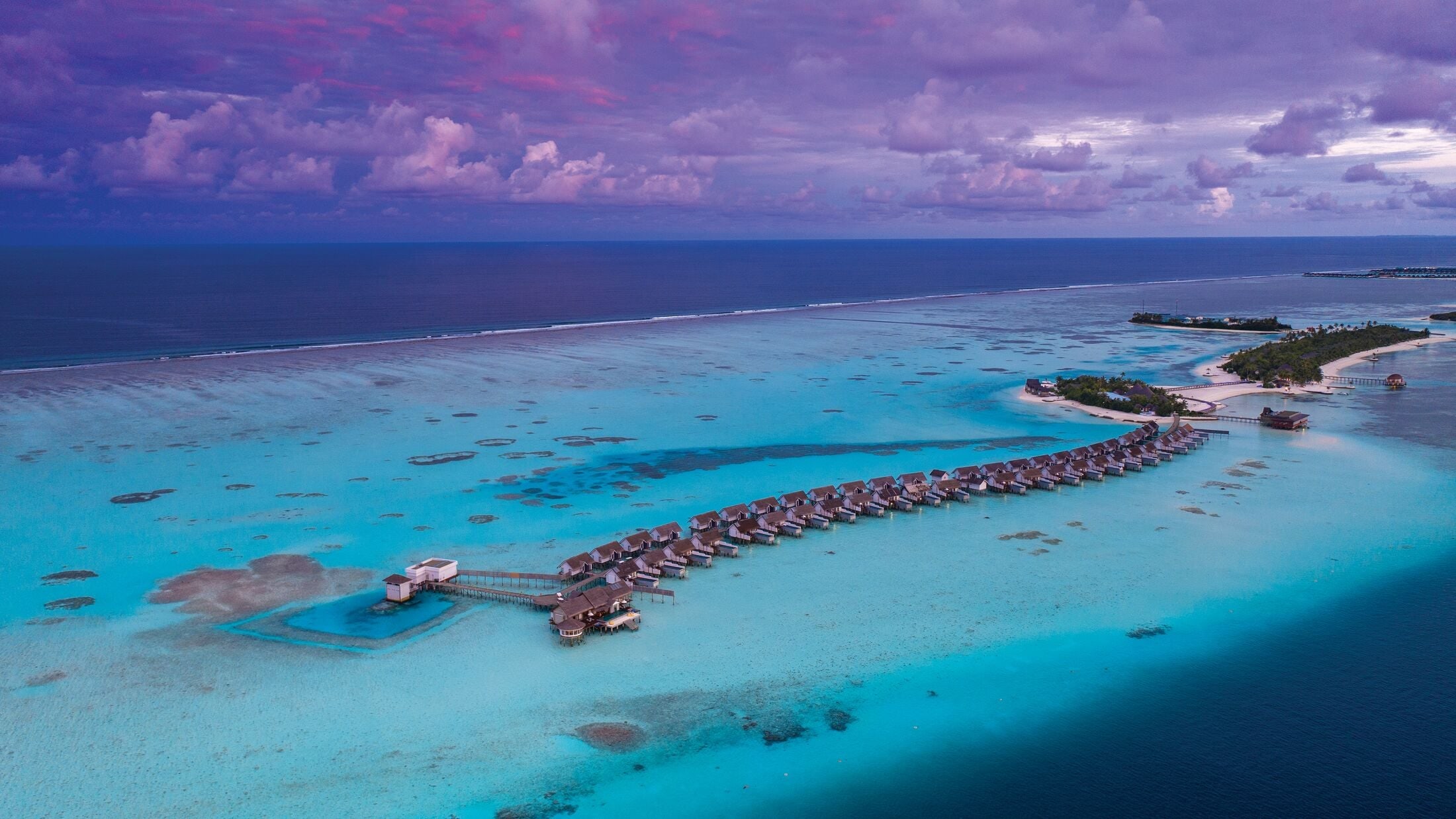
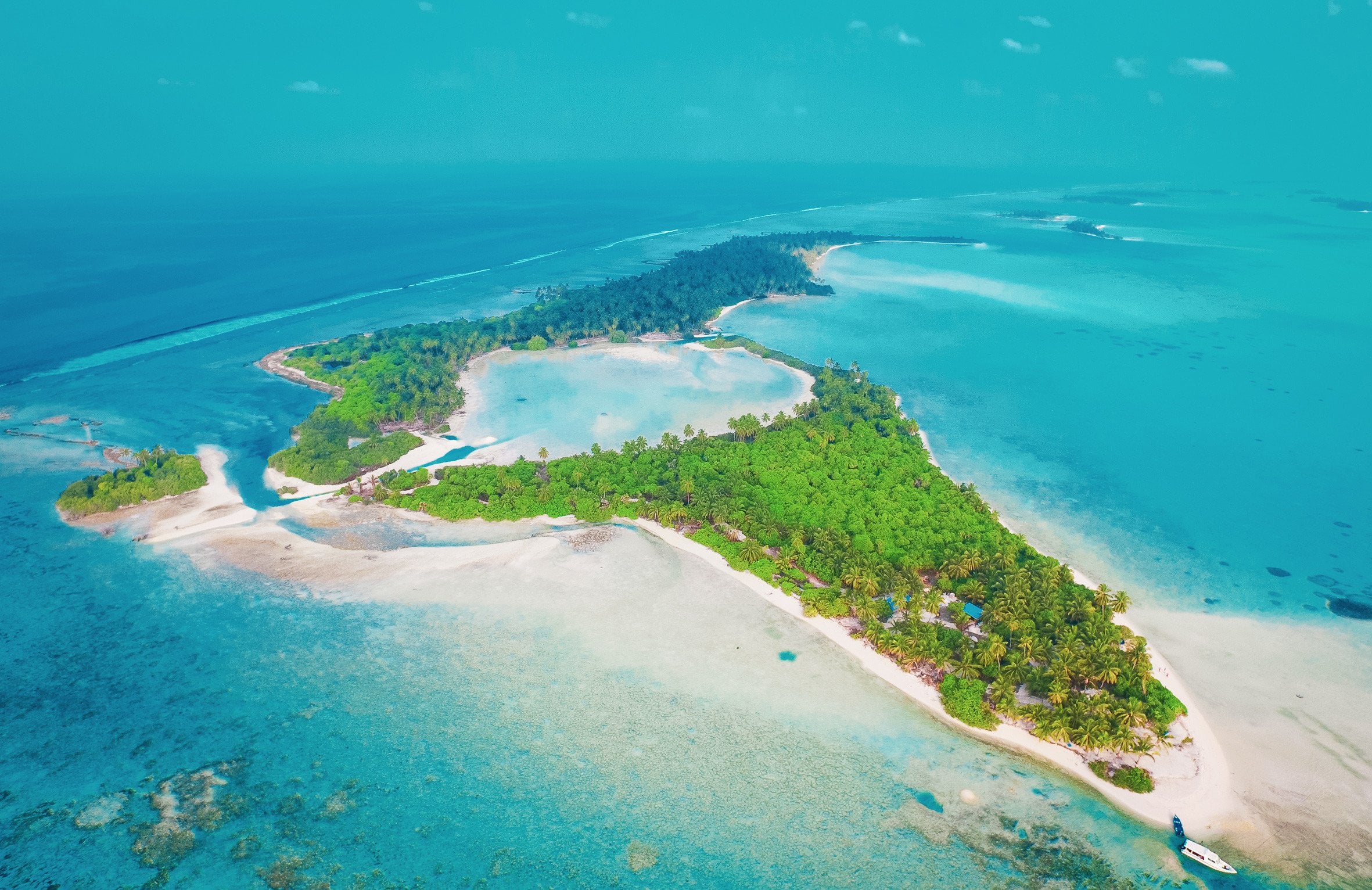
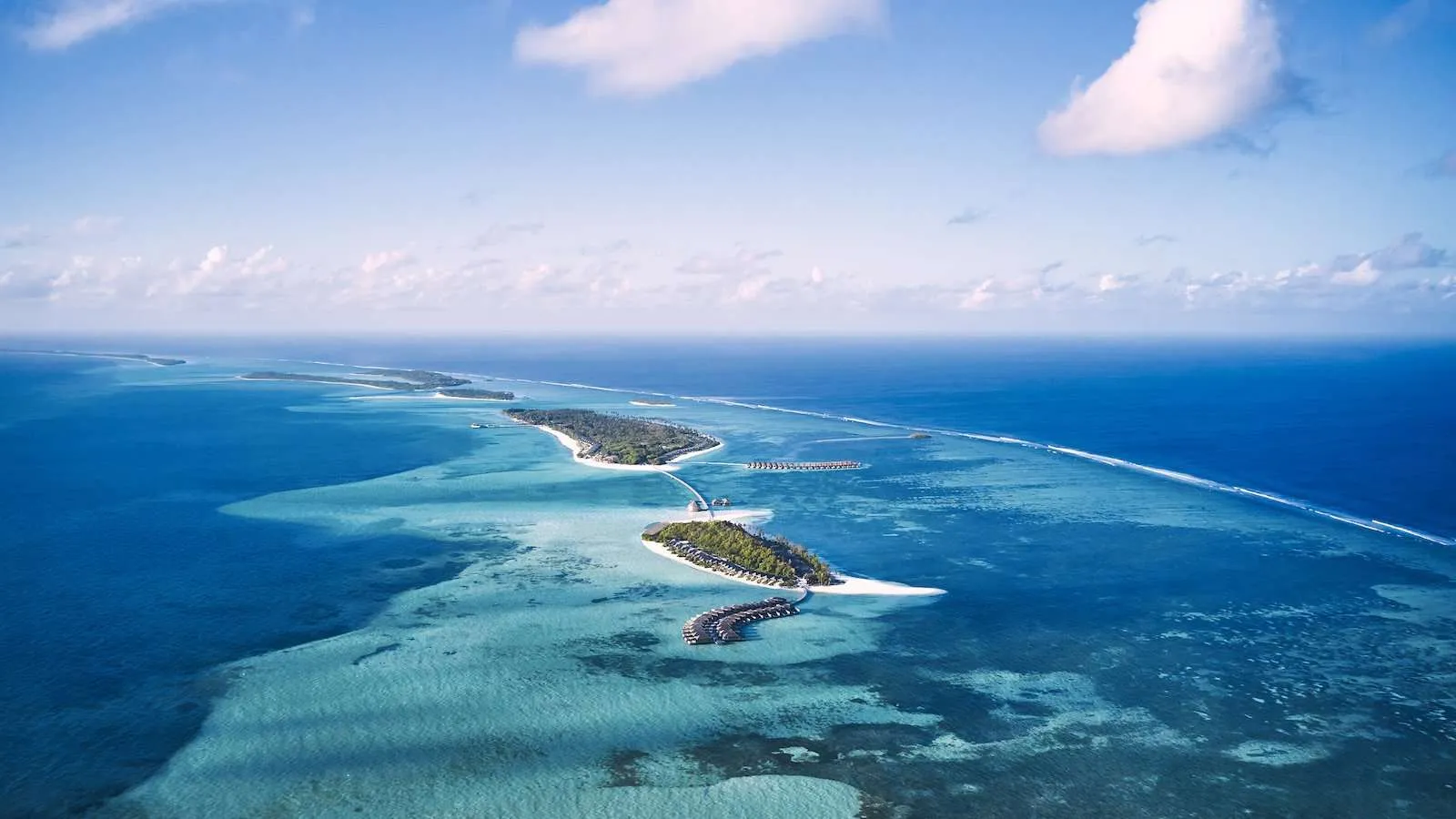
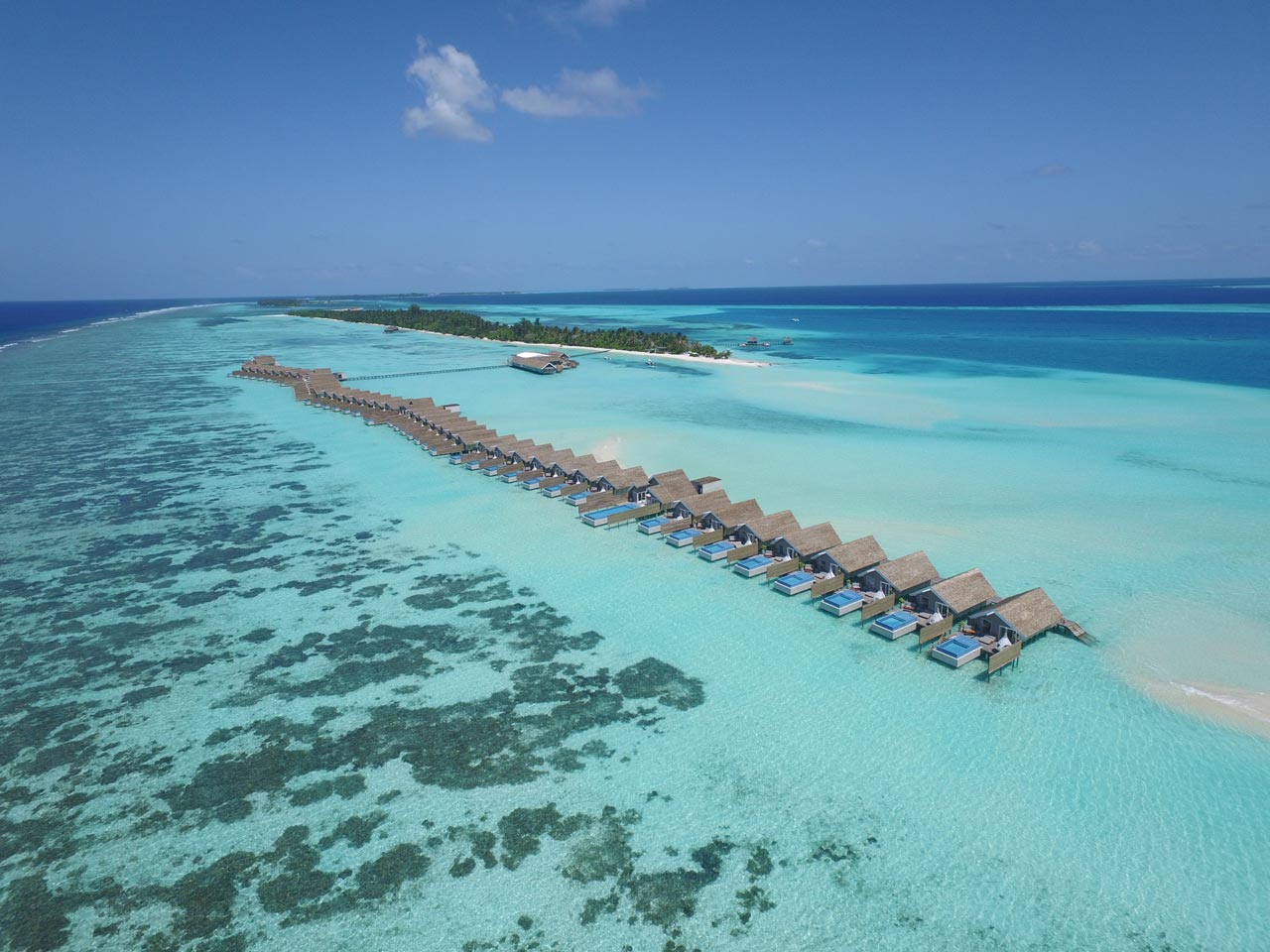
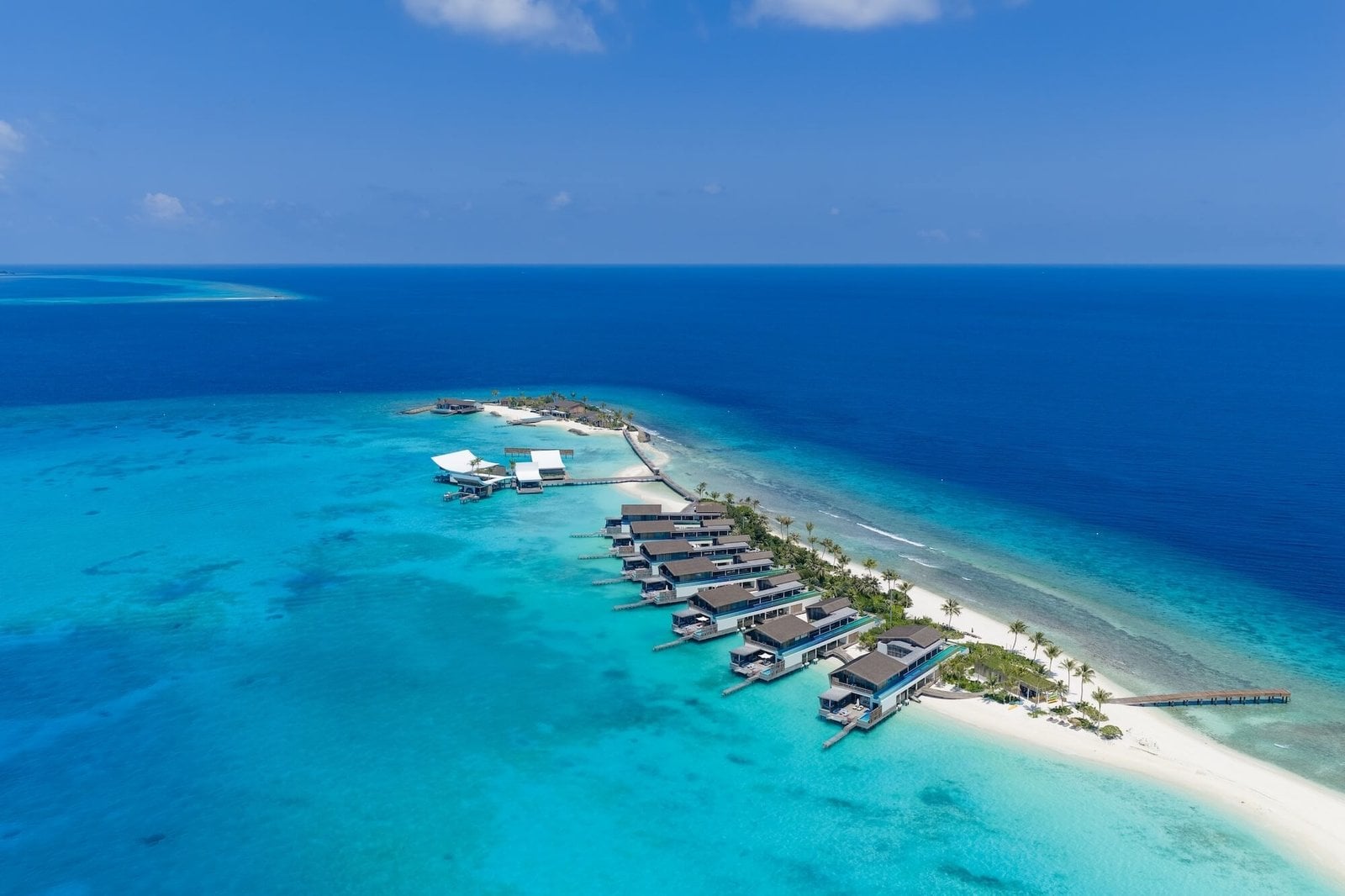
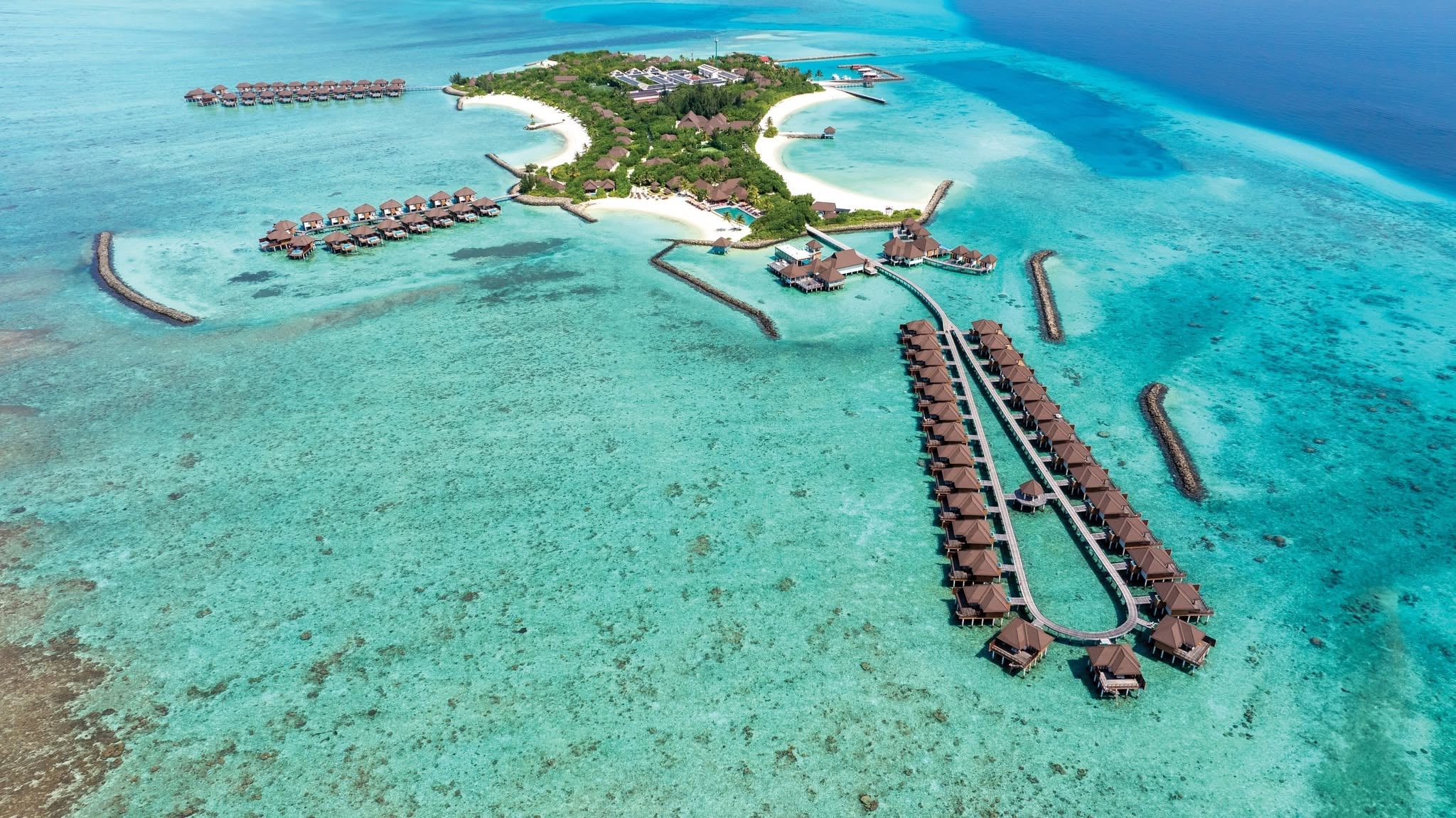
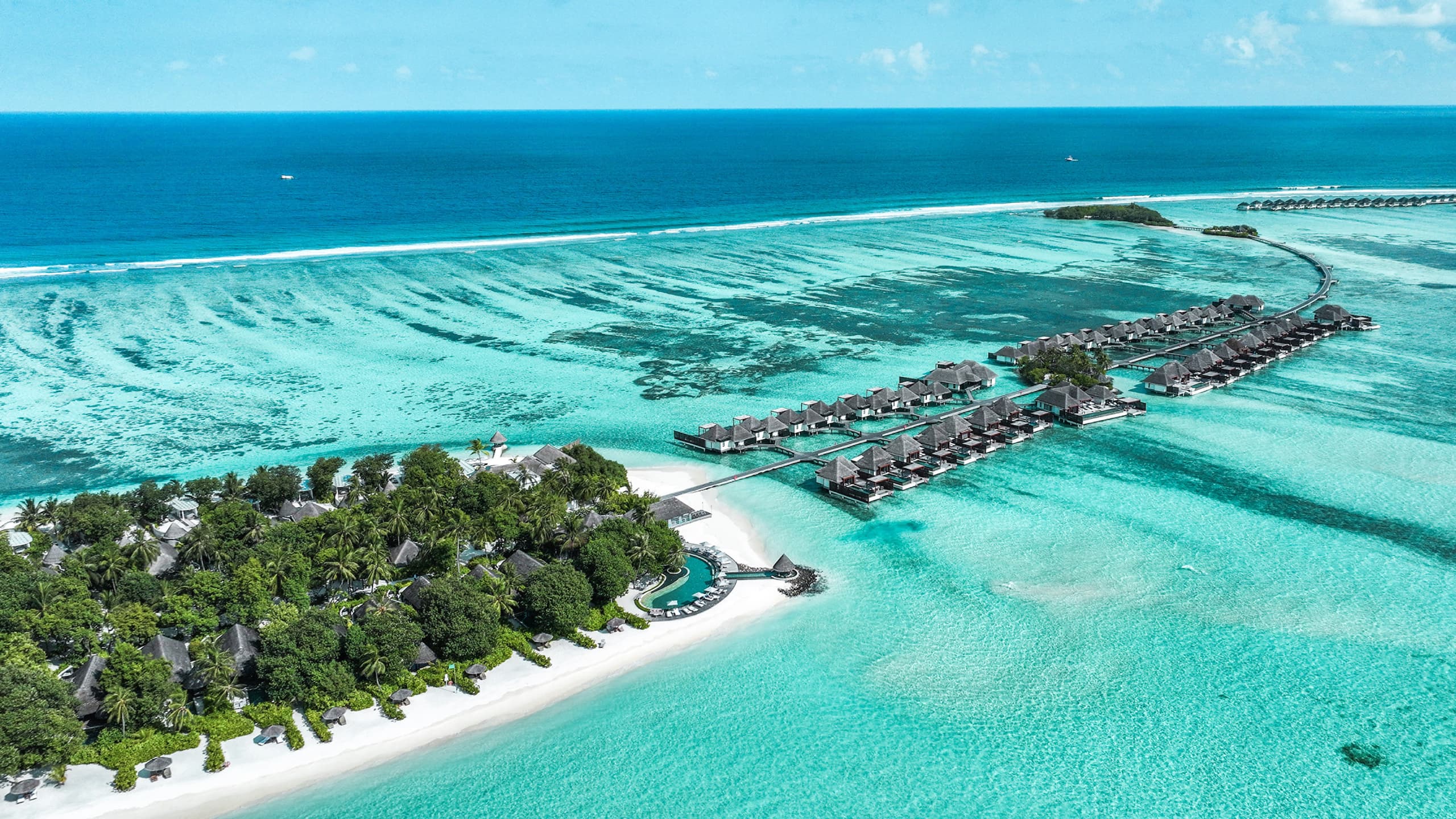
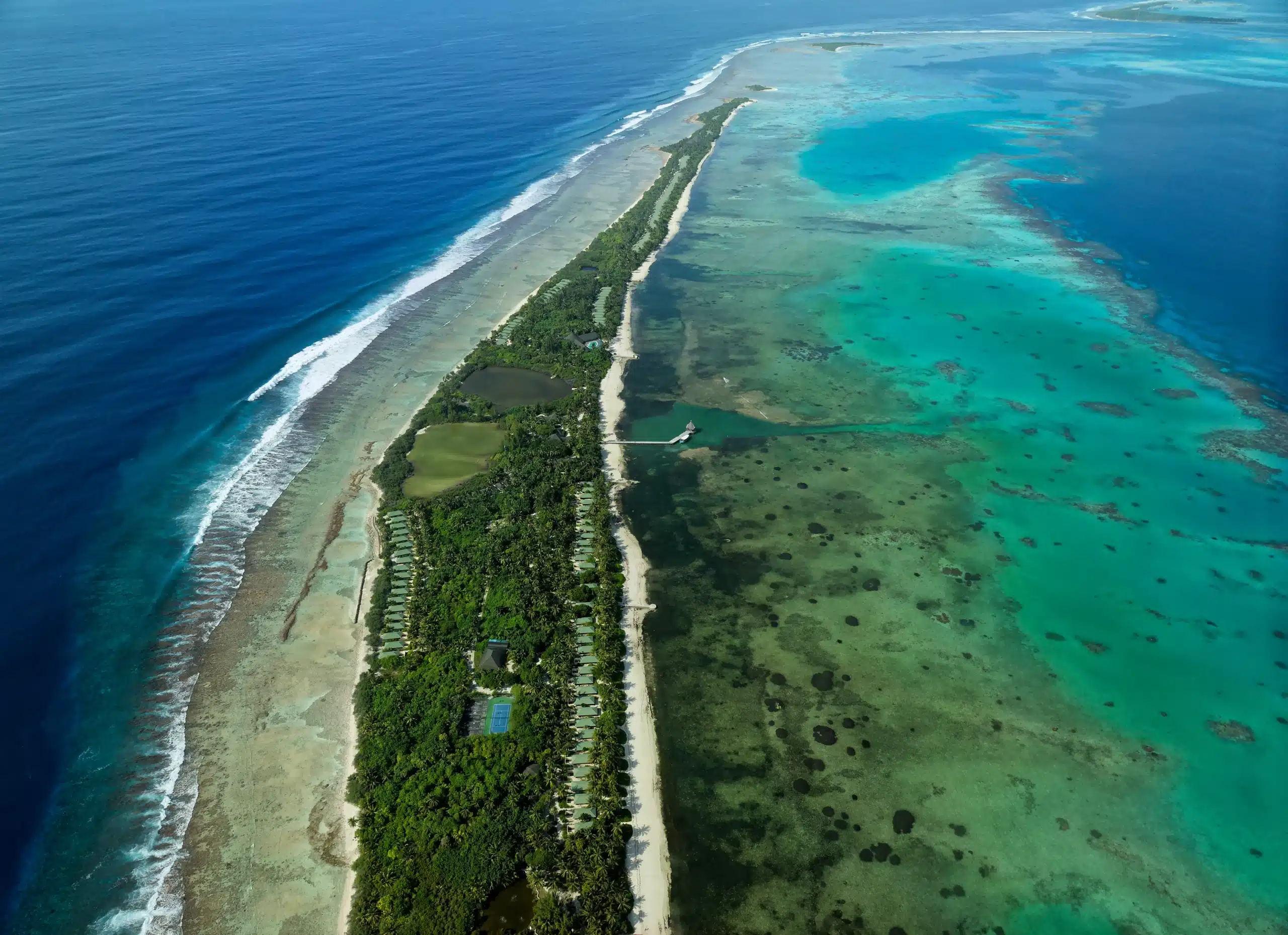
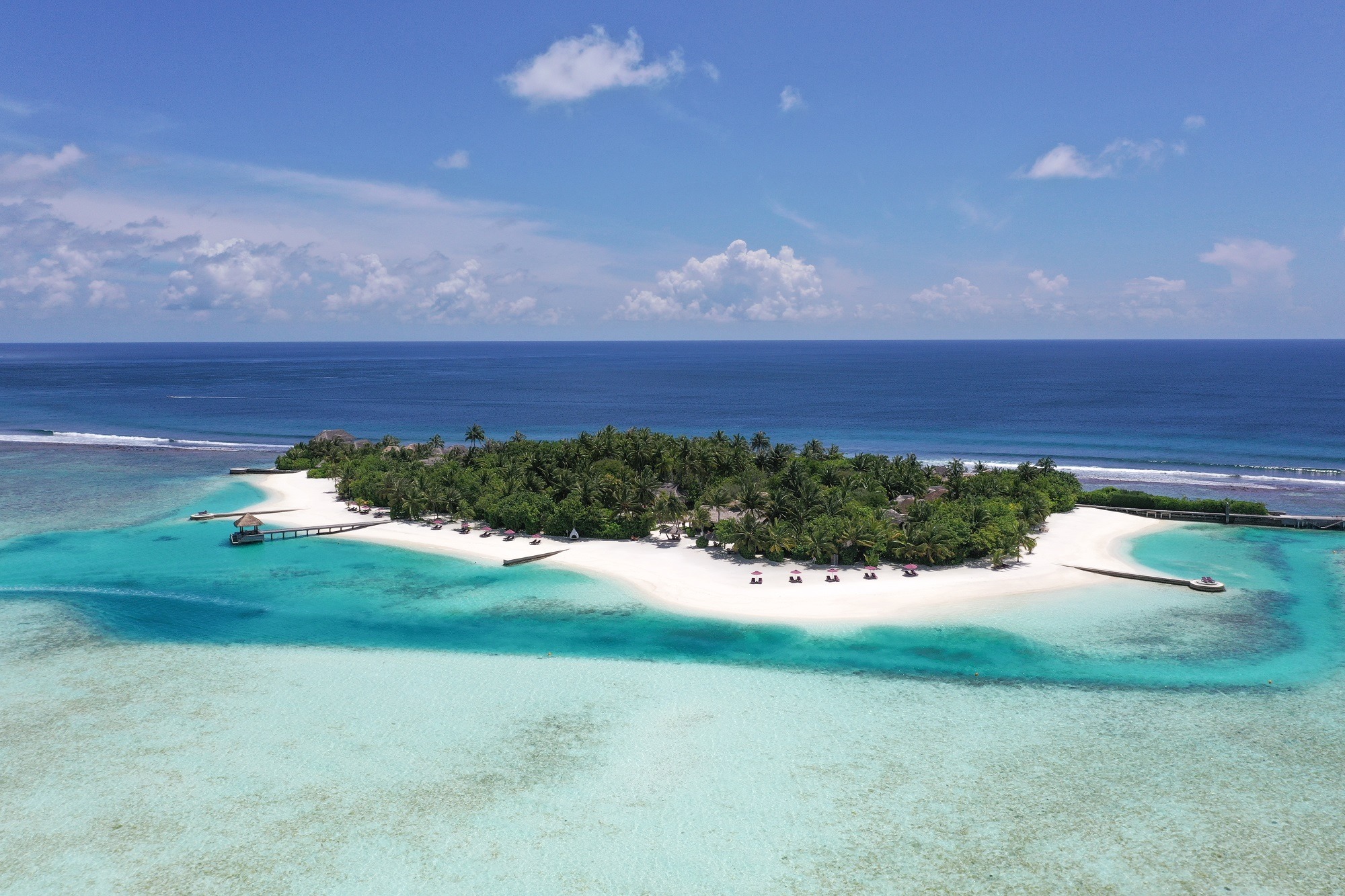
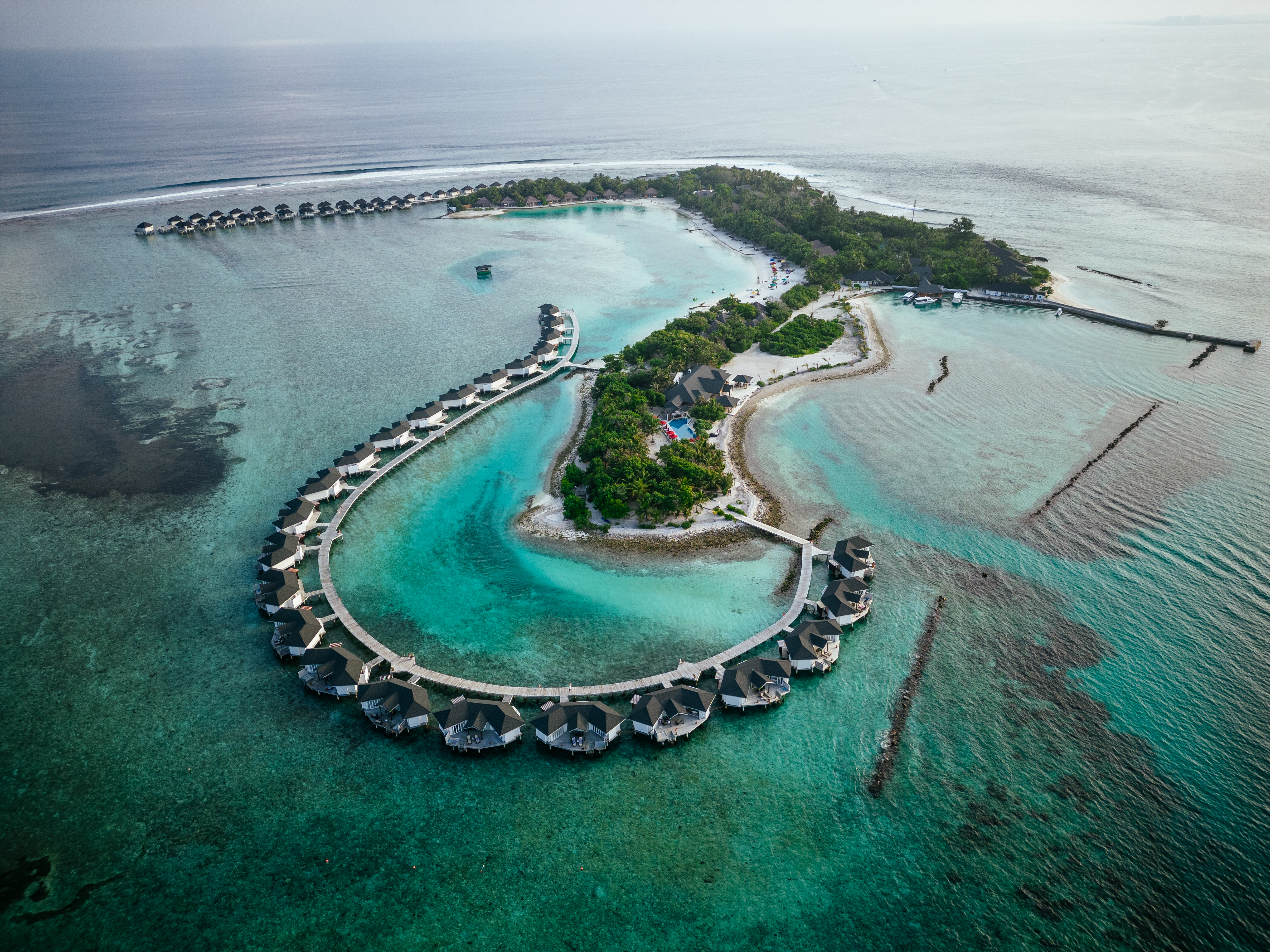
The Maldives is built for snorkeling. Twenty-six natural atolls — ring-shaped coral formations — stretch across 900 kilometres of the Indian Ocean, creating thousands of reef systems in water that stays 27–30°C year-round. Visibility regularly exceeds 30 metres, and the diversity is extraordinary: reef sharks, sea turtles, manta rays, whale sharks, and hundreds of tropical fish species all live in waters shallow enough to explore from the surface.
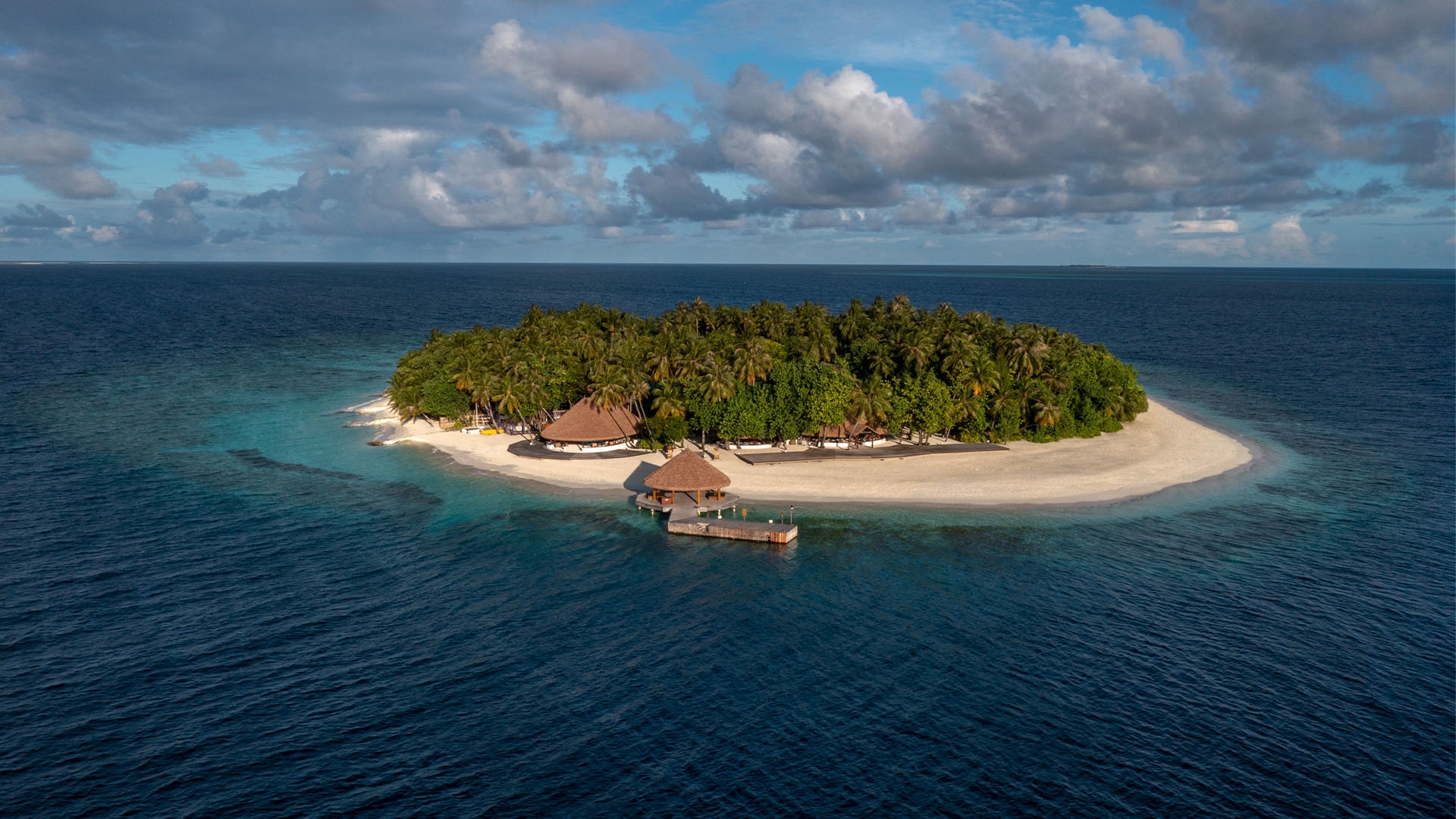
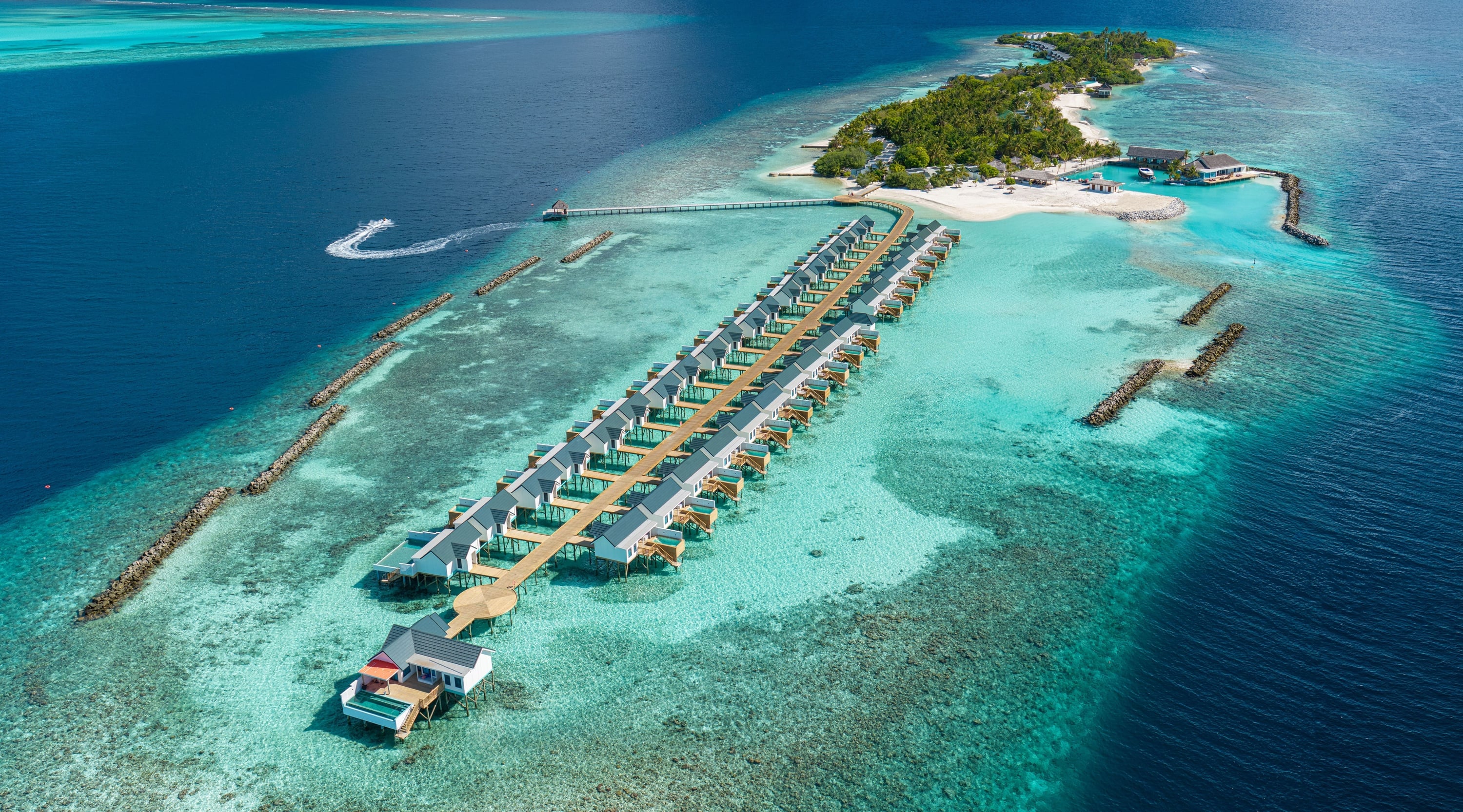
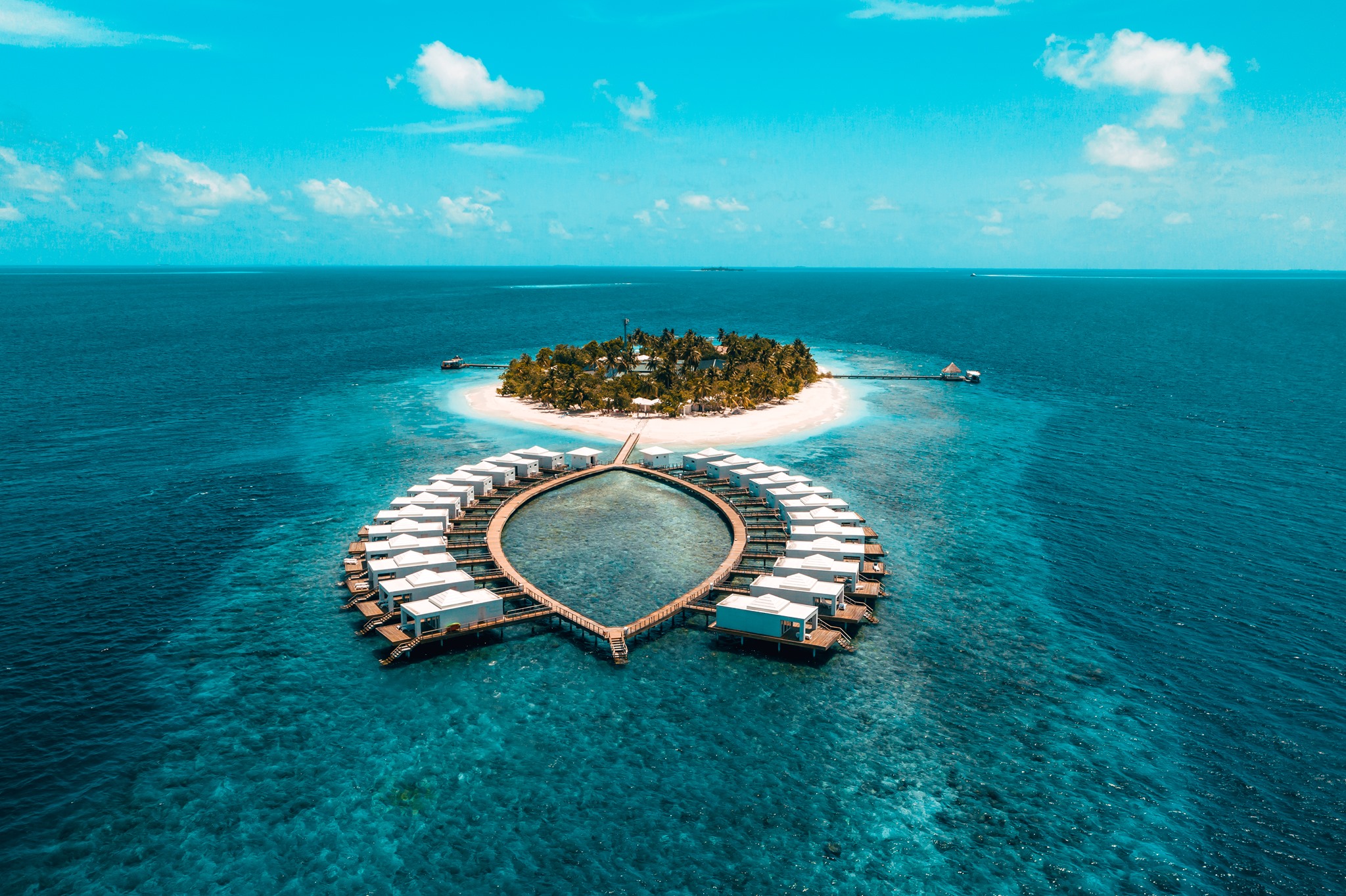
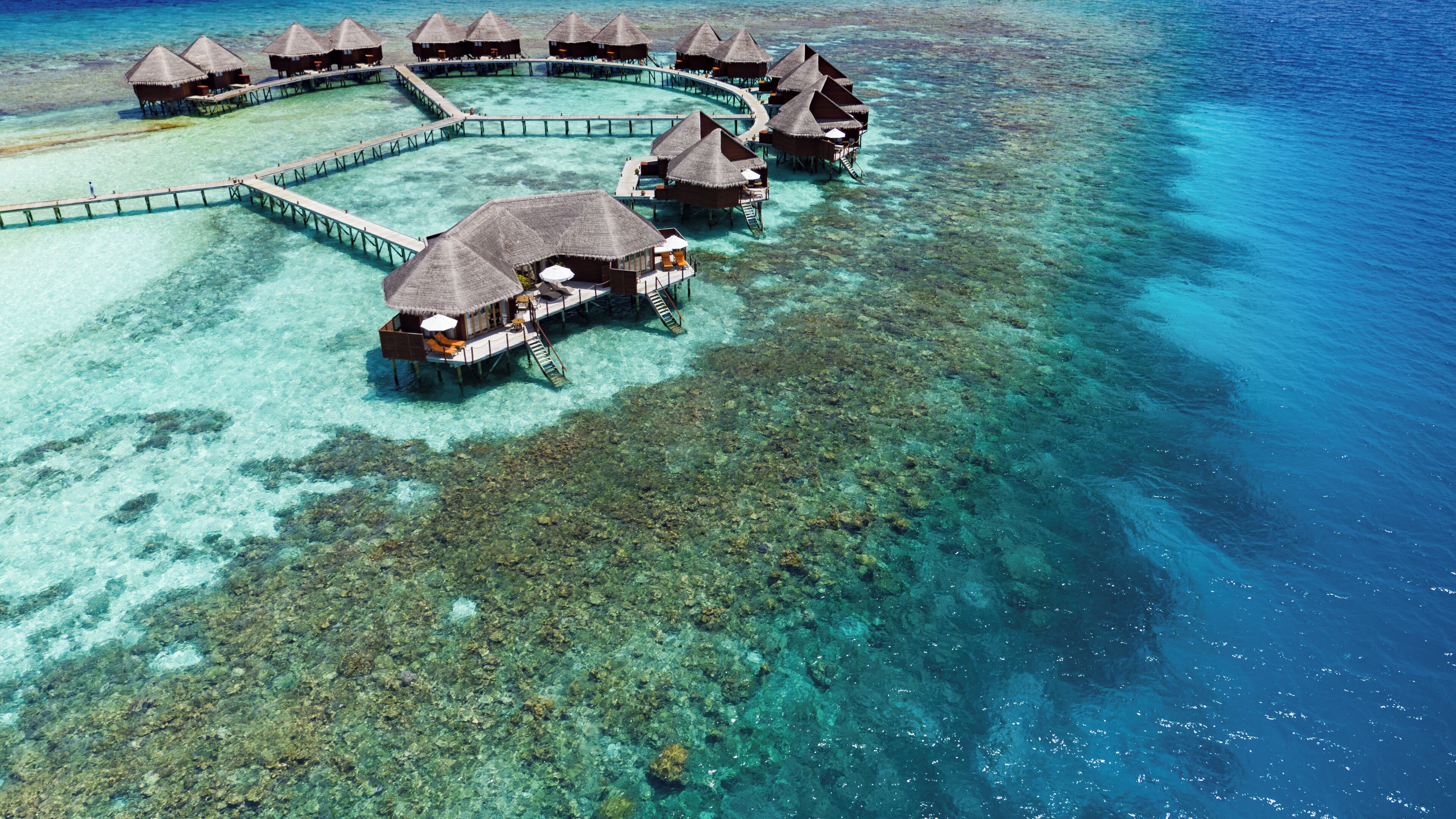
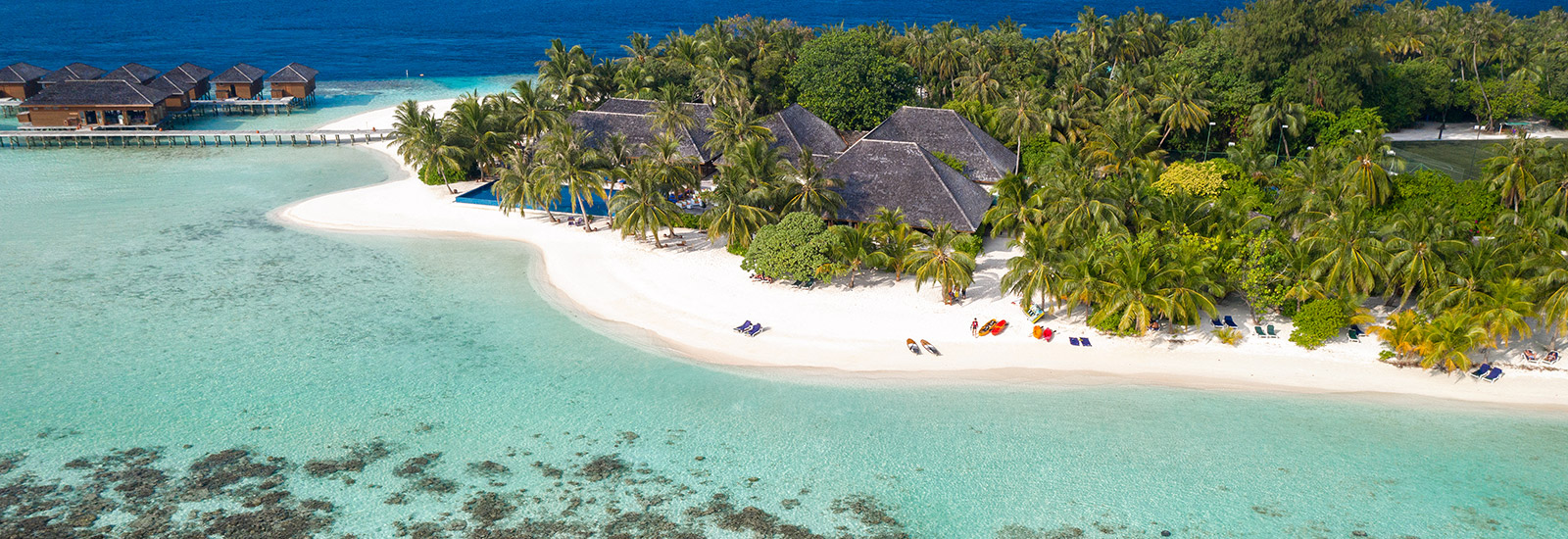
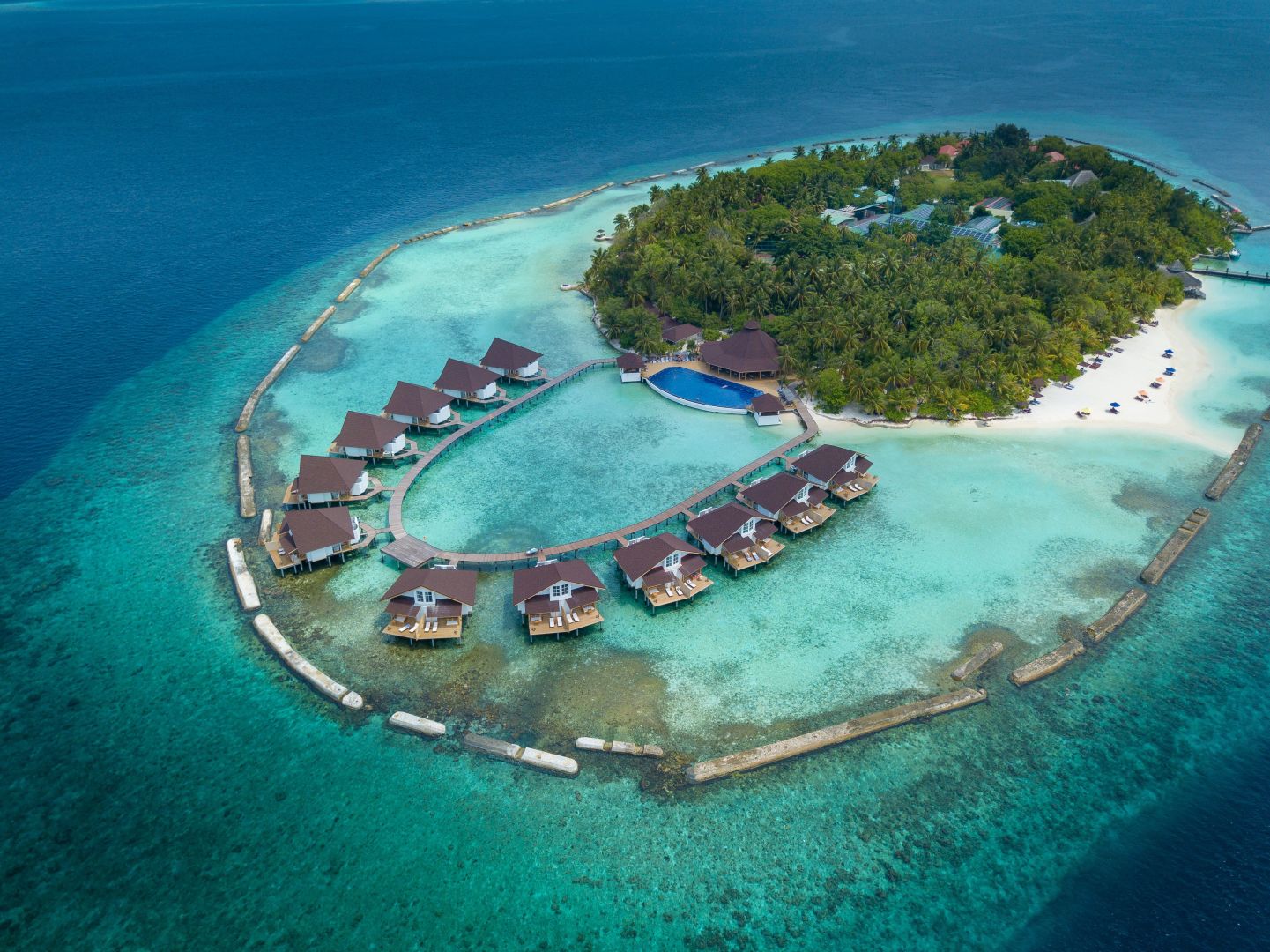
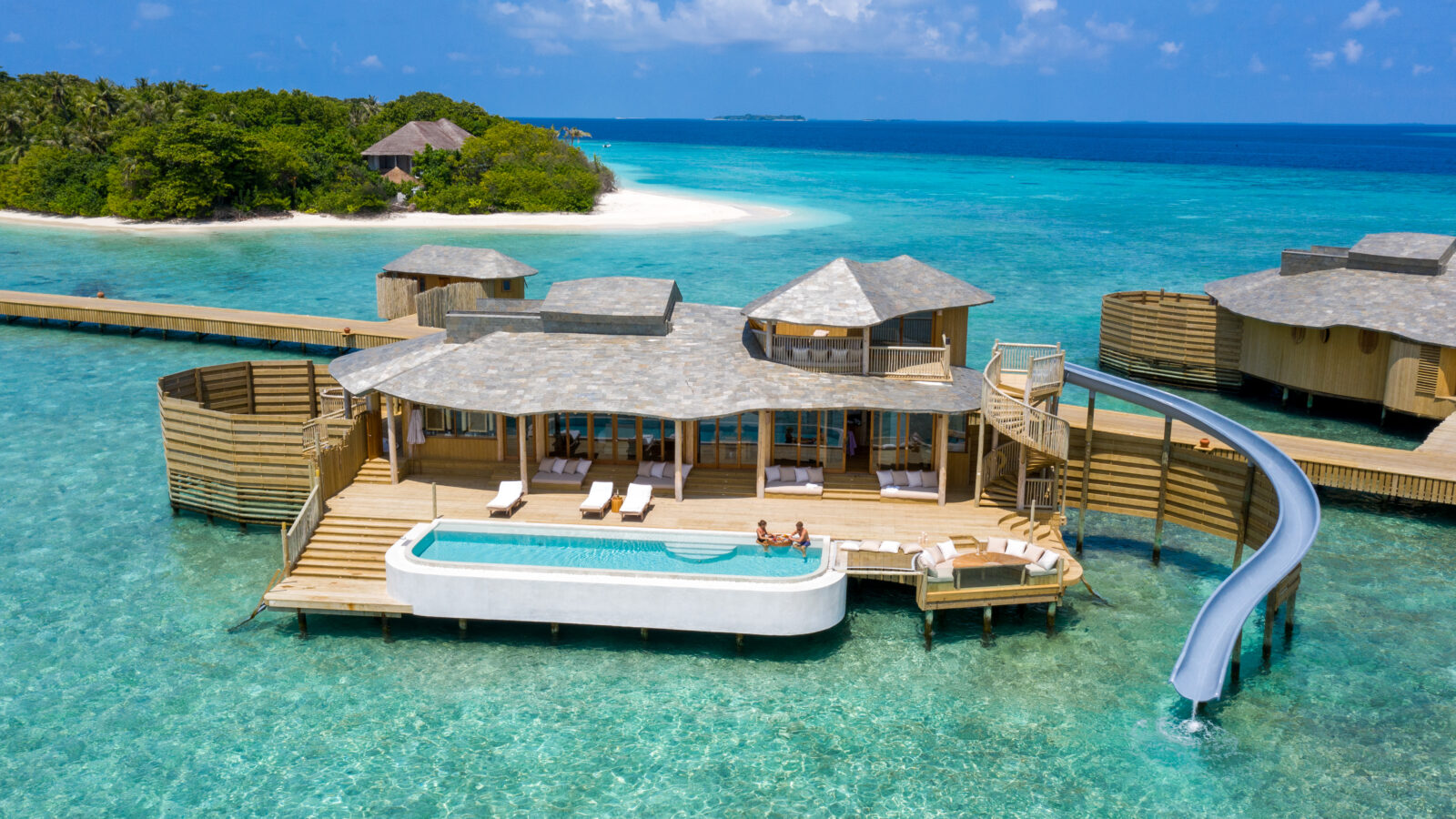
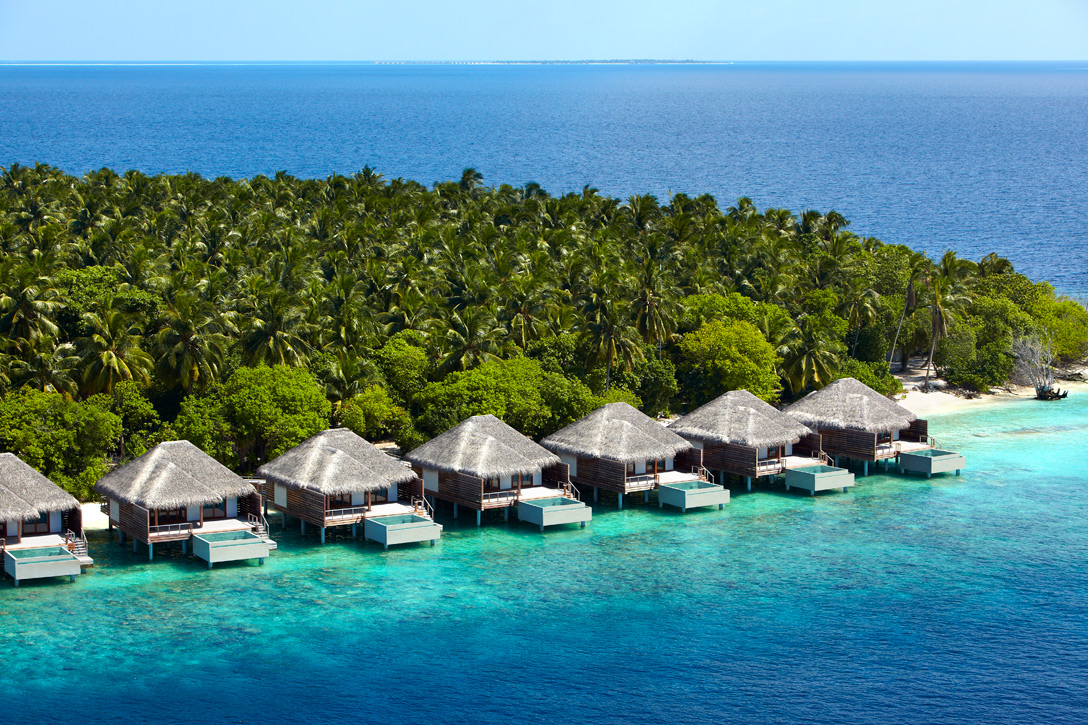
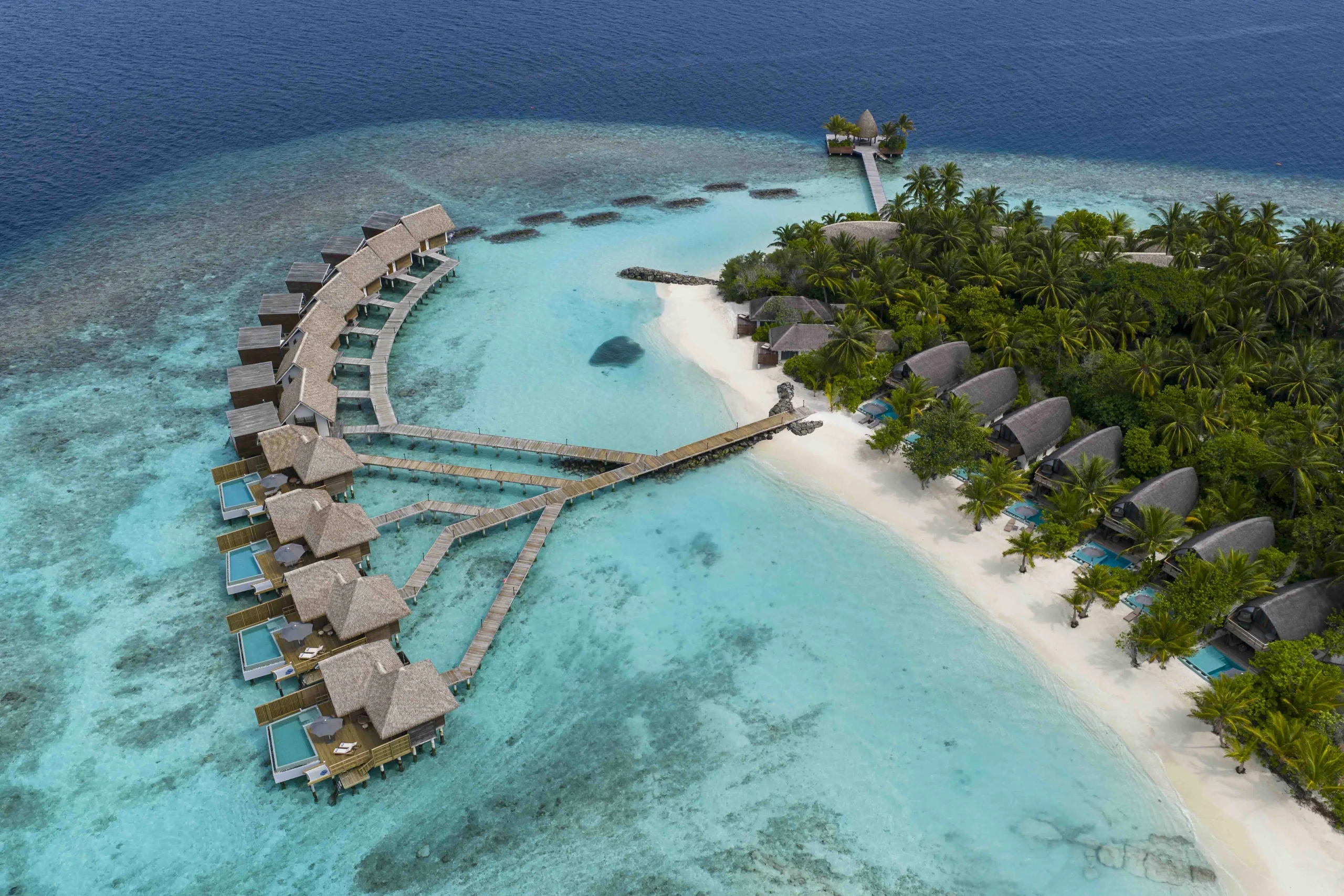
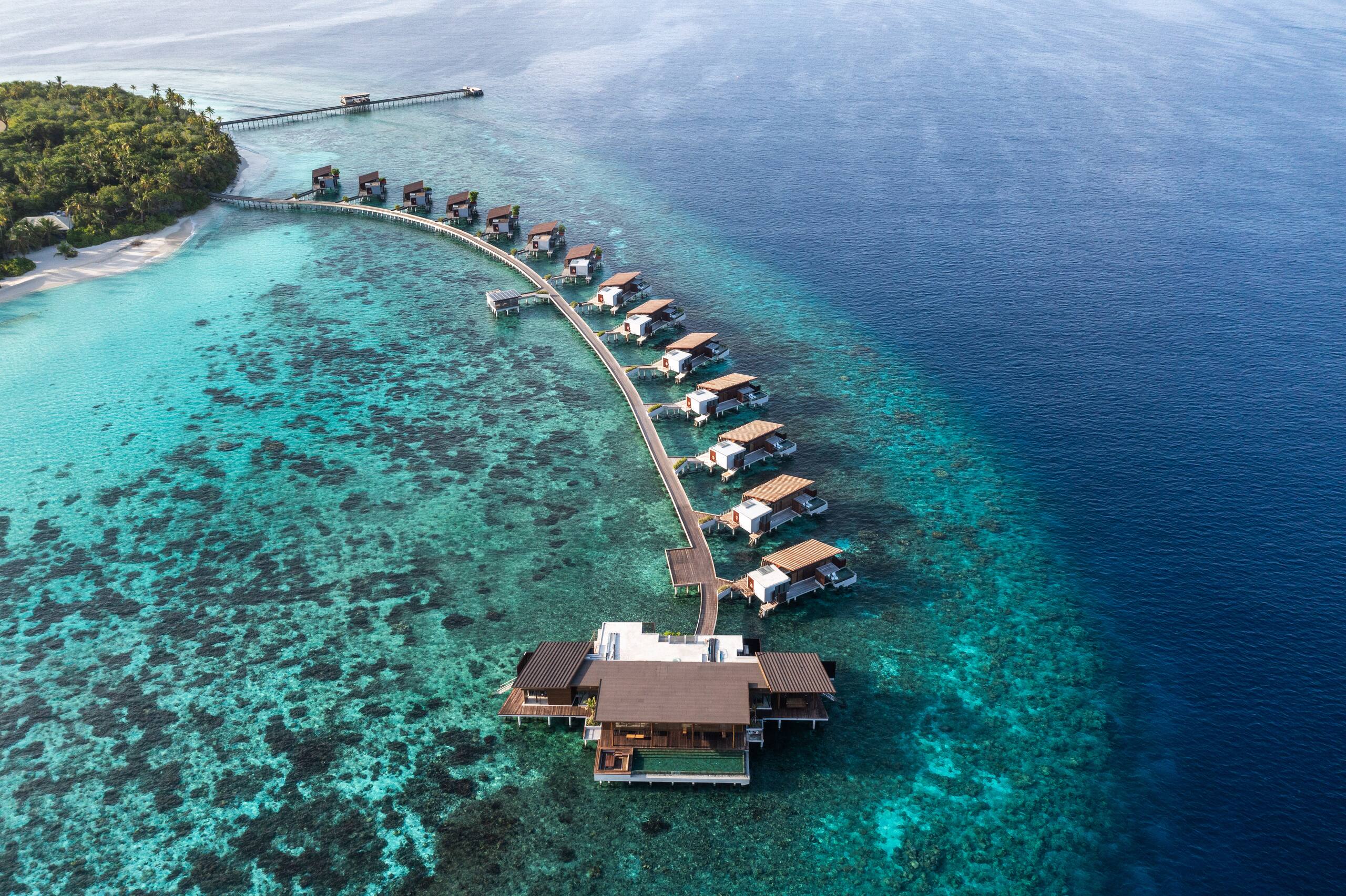
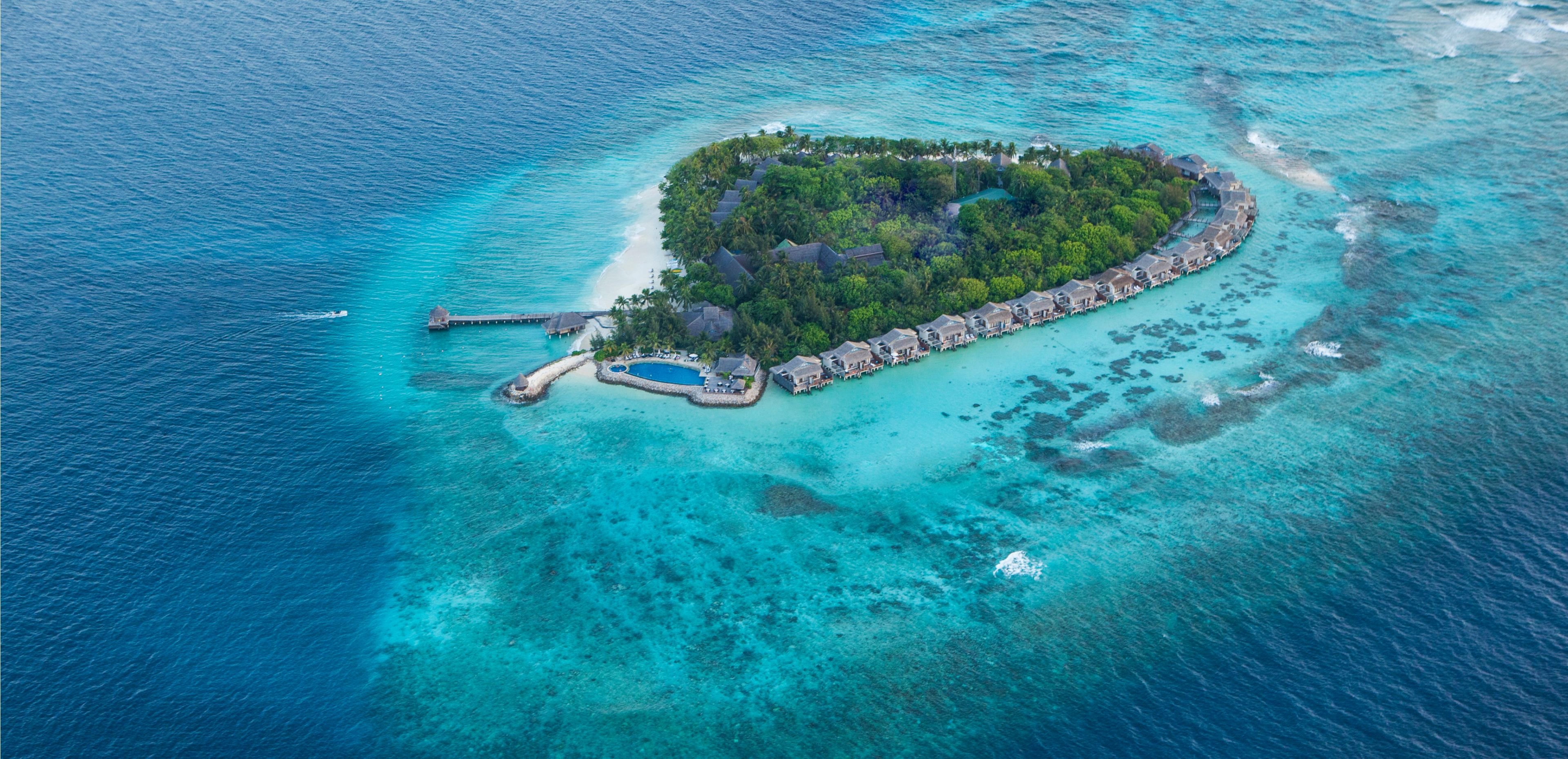
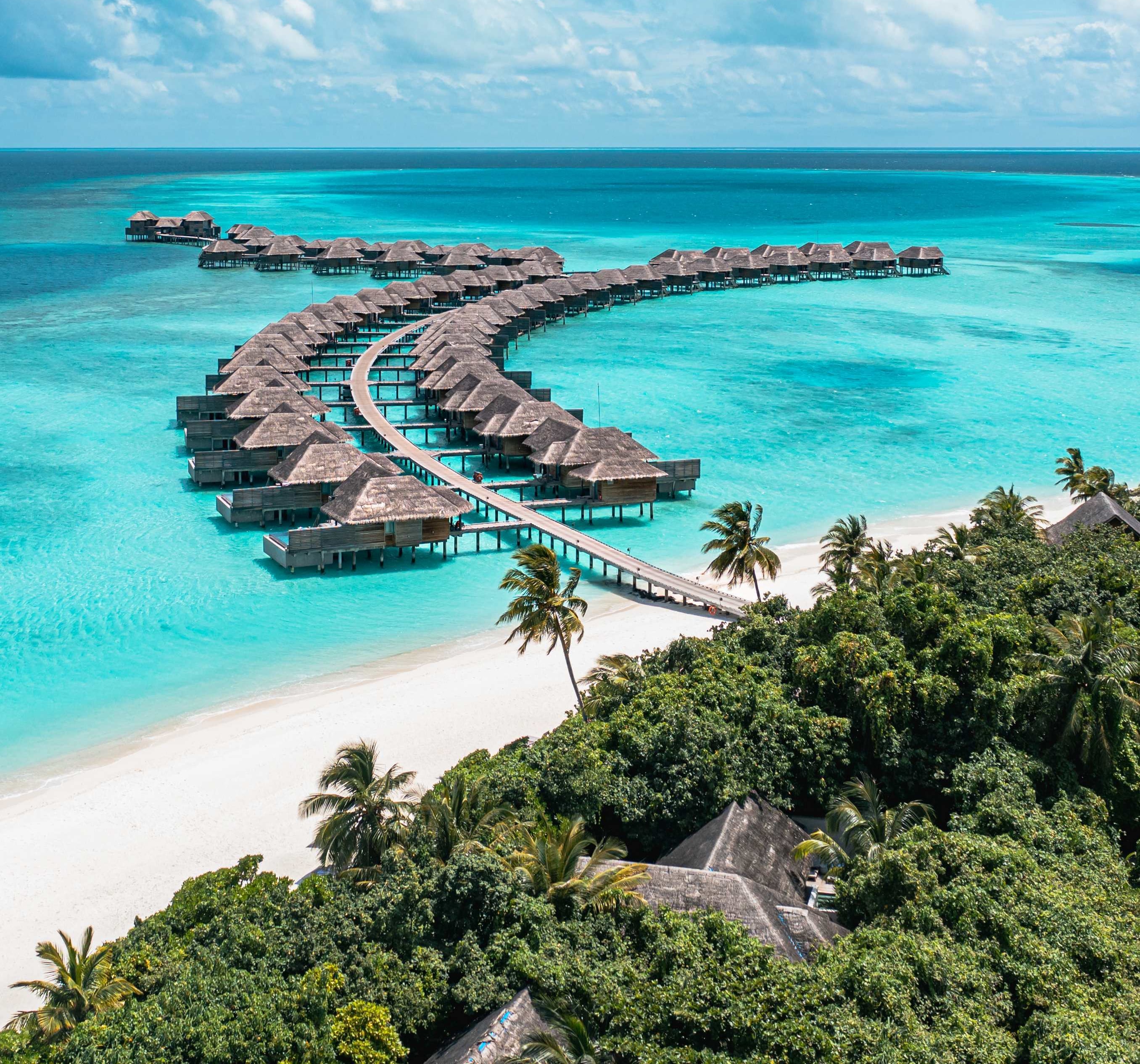
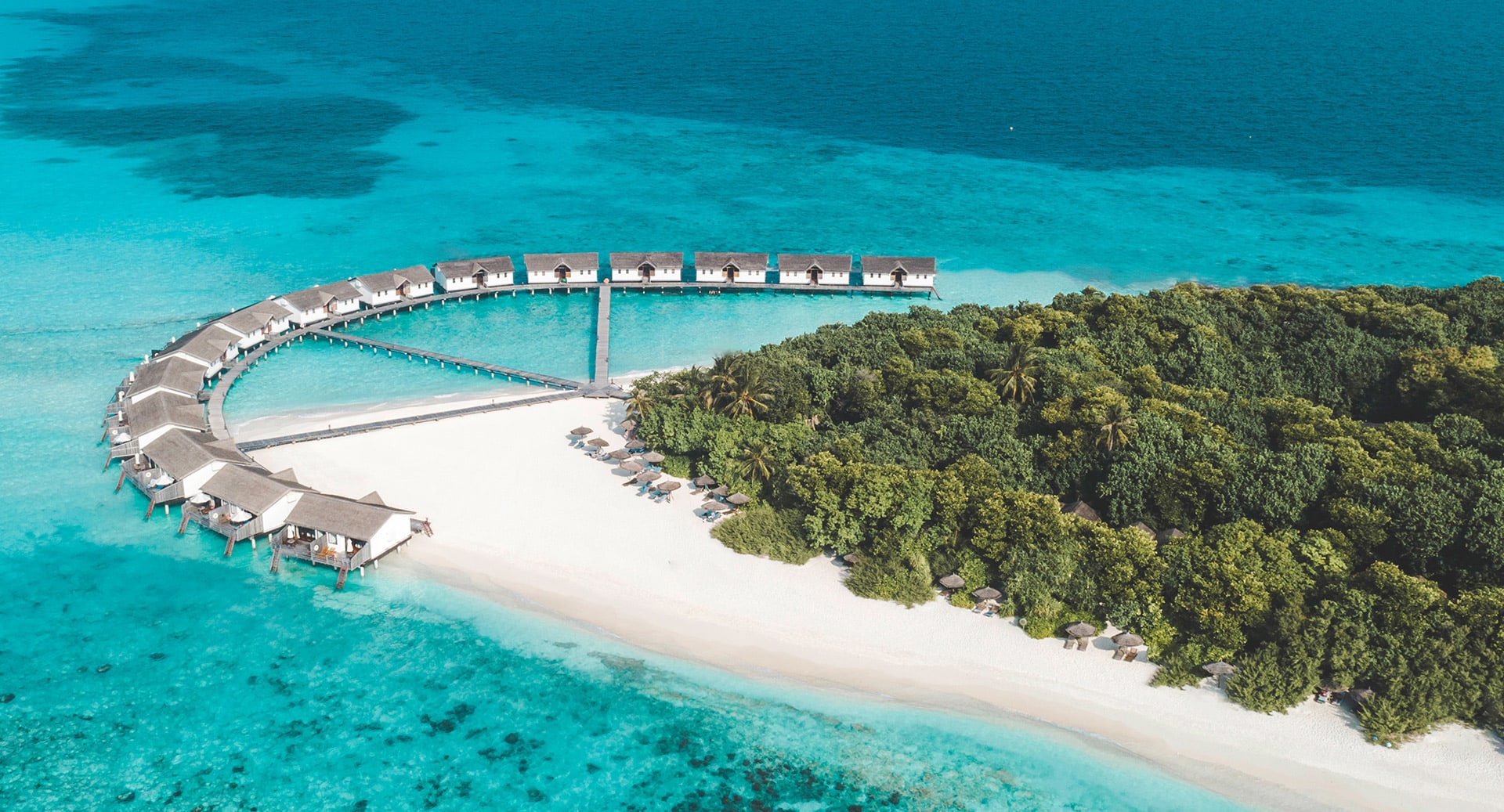
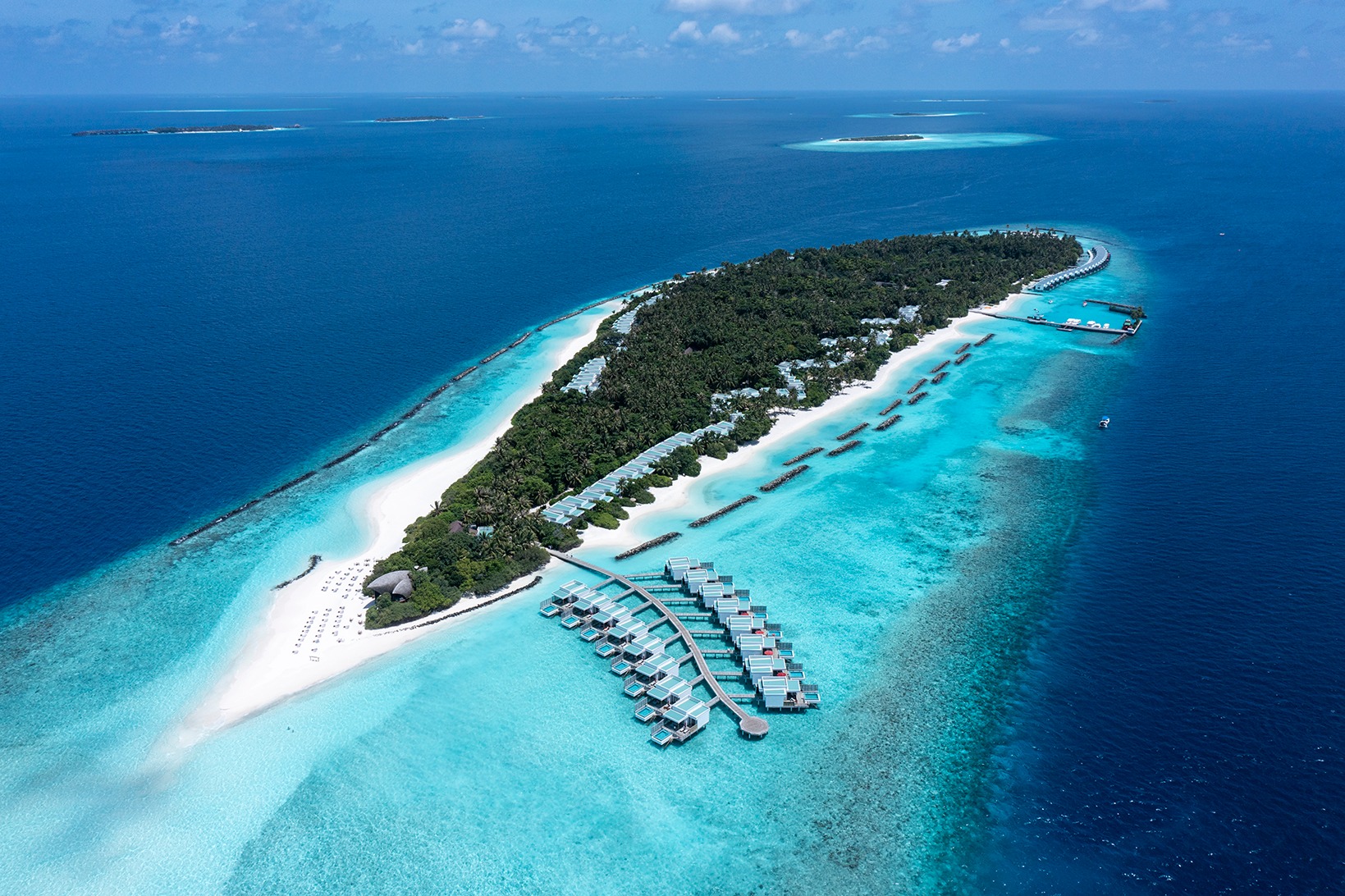
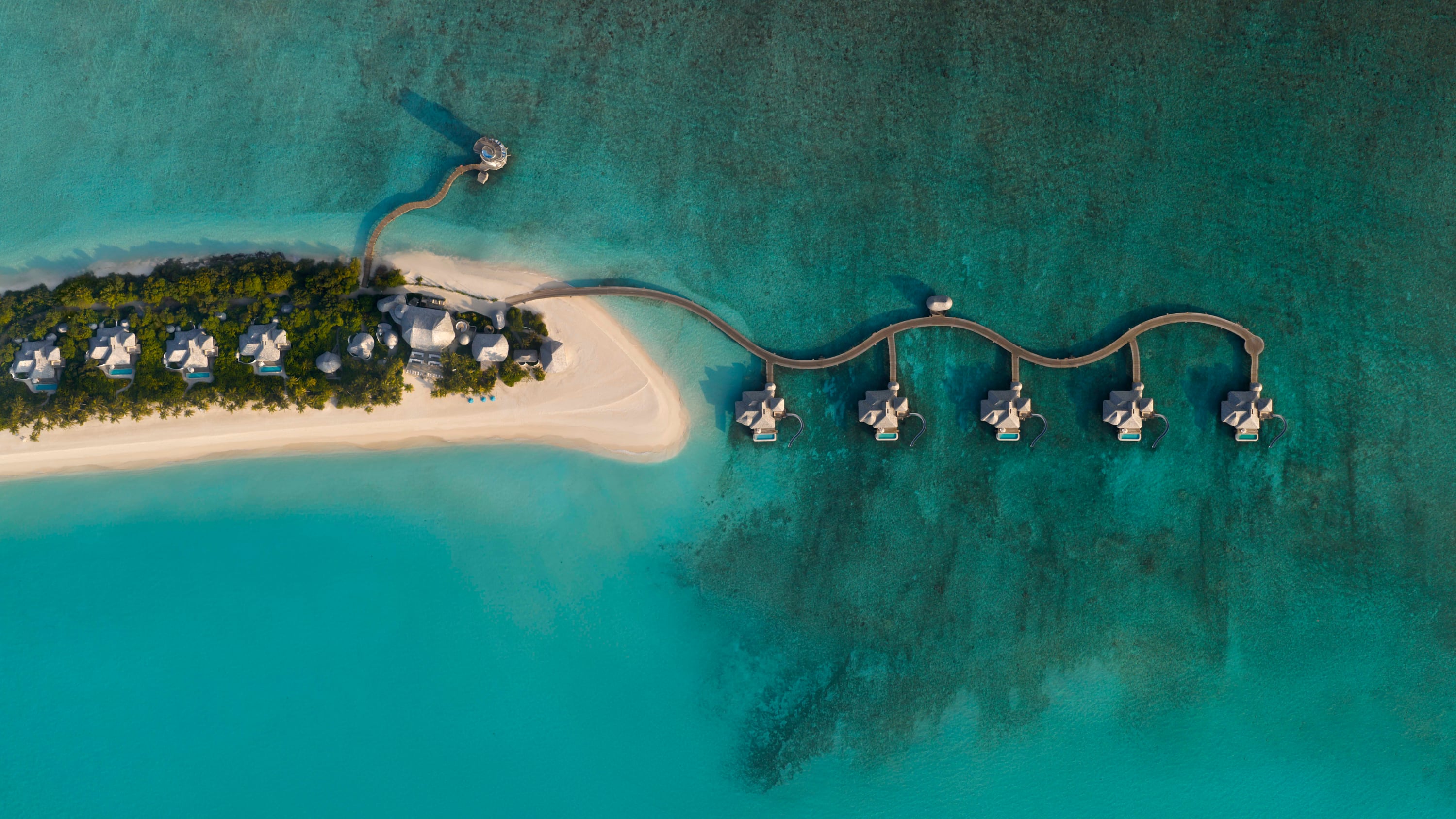
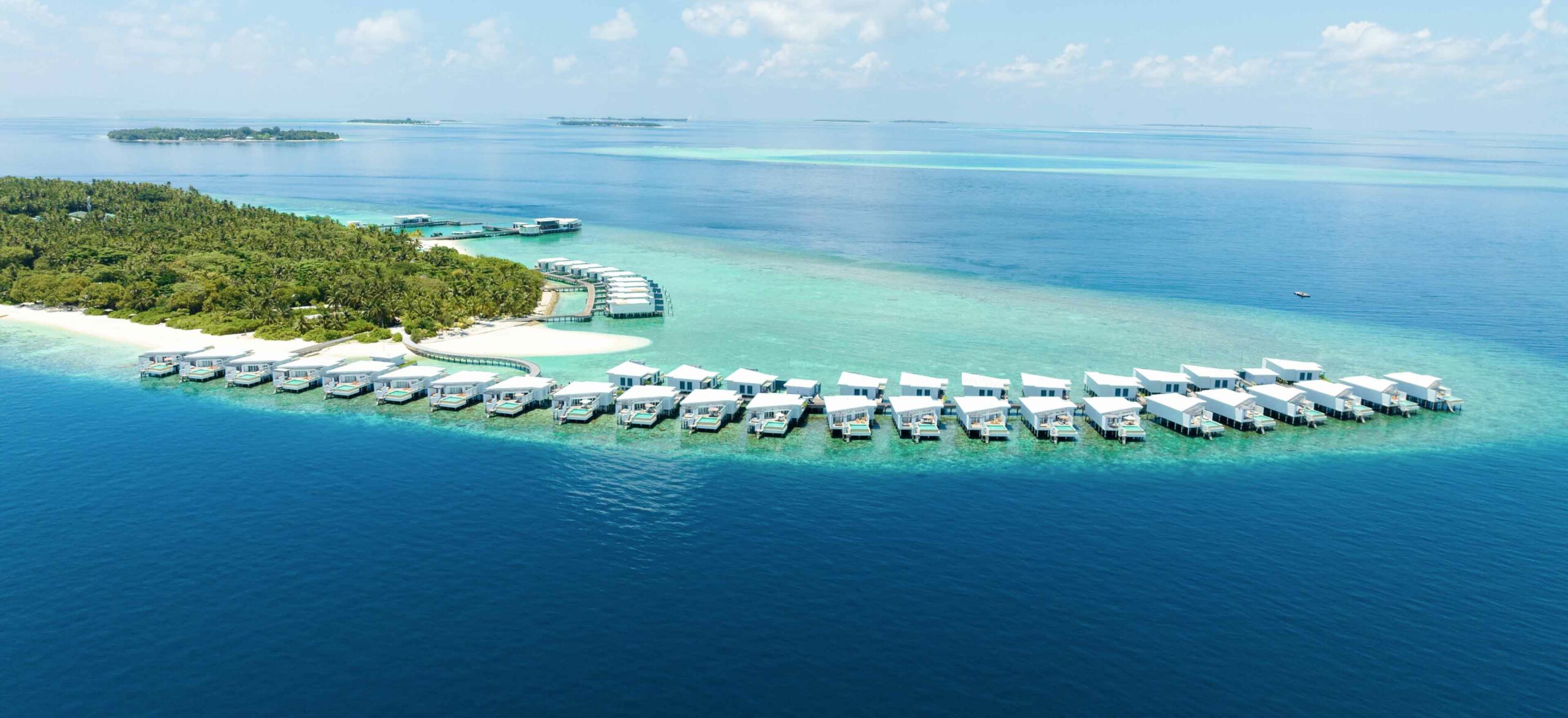
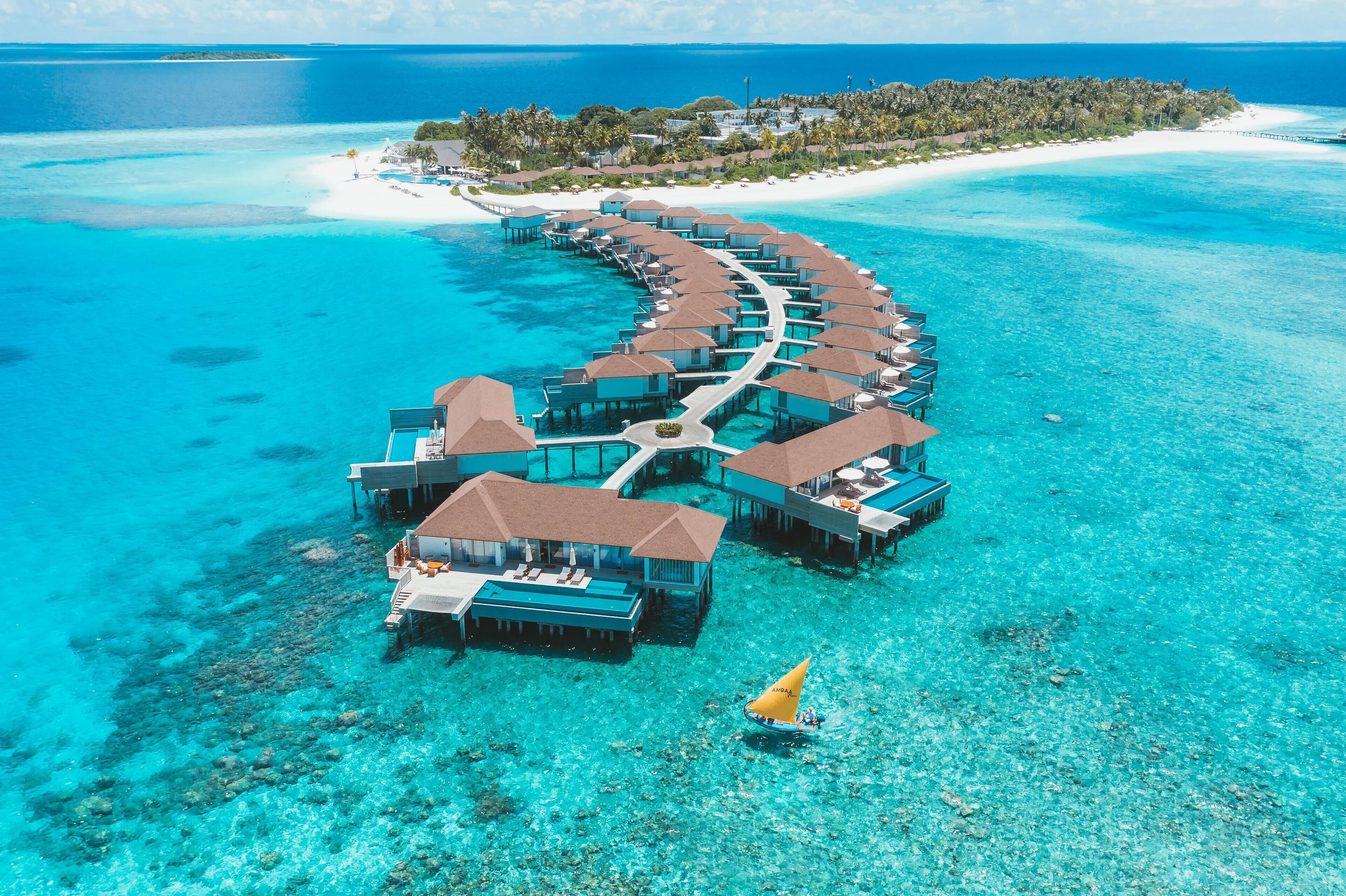
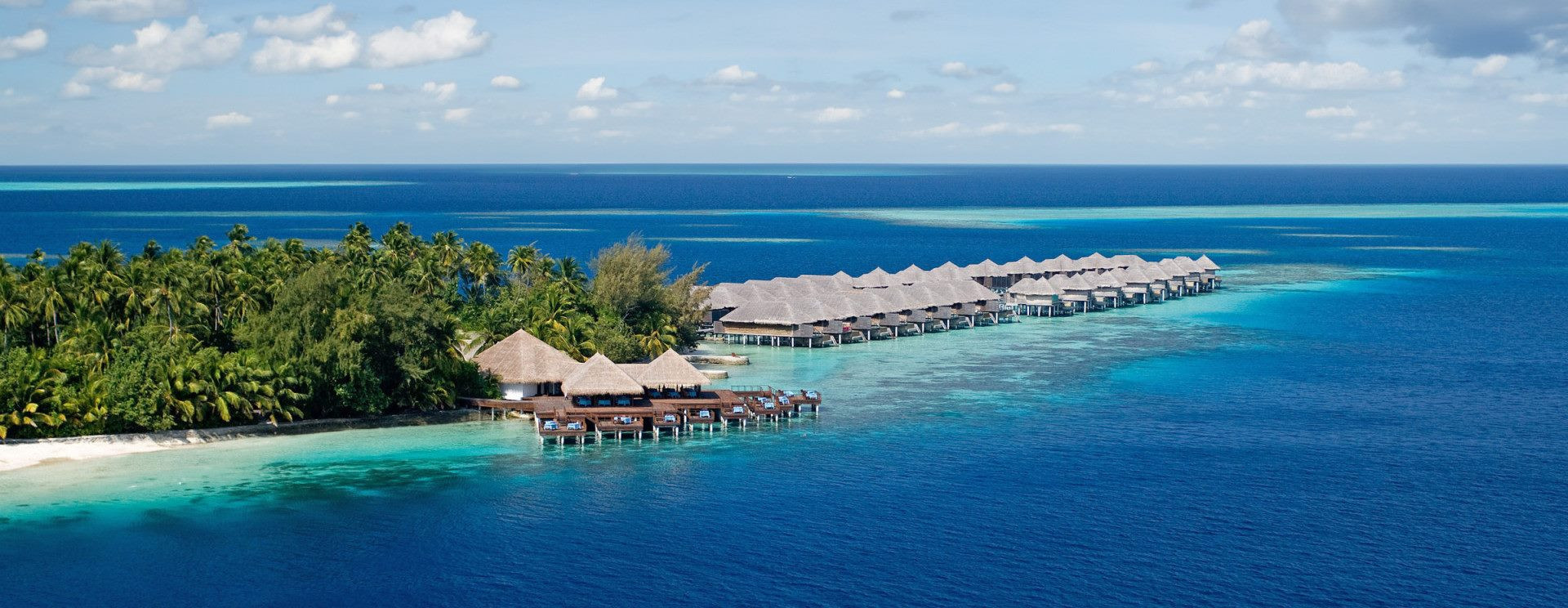
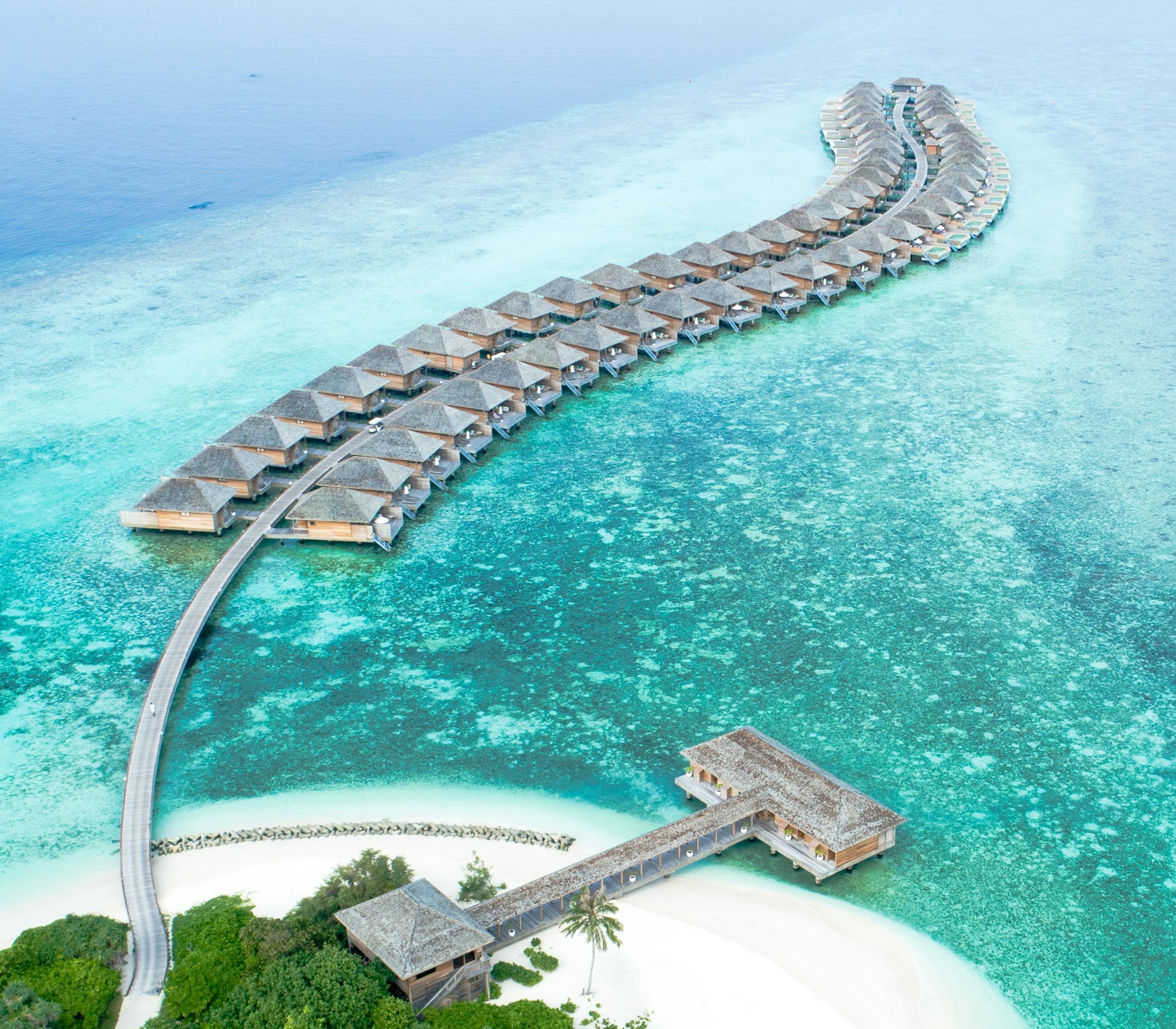
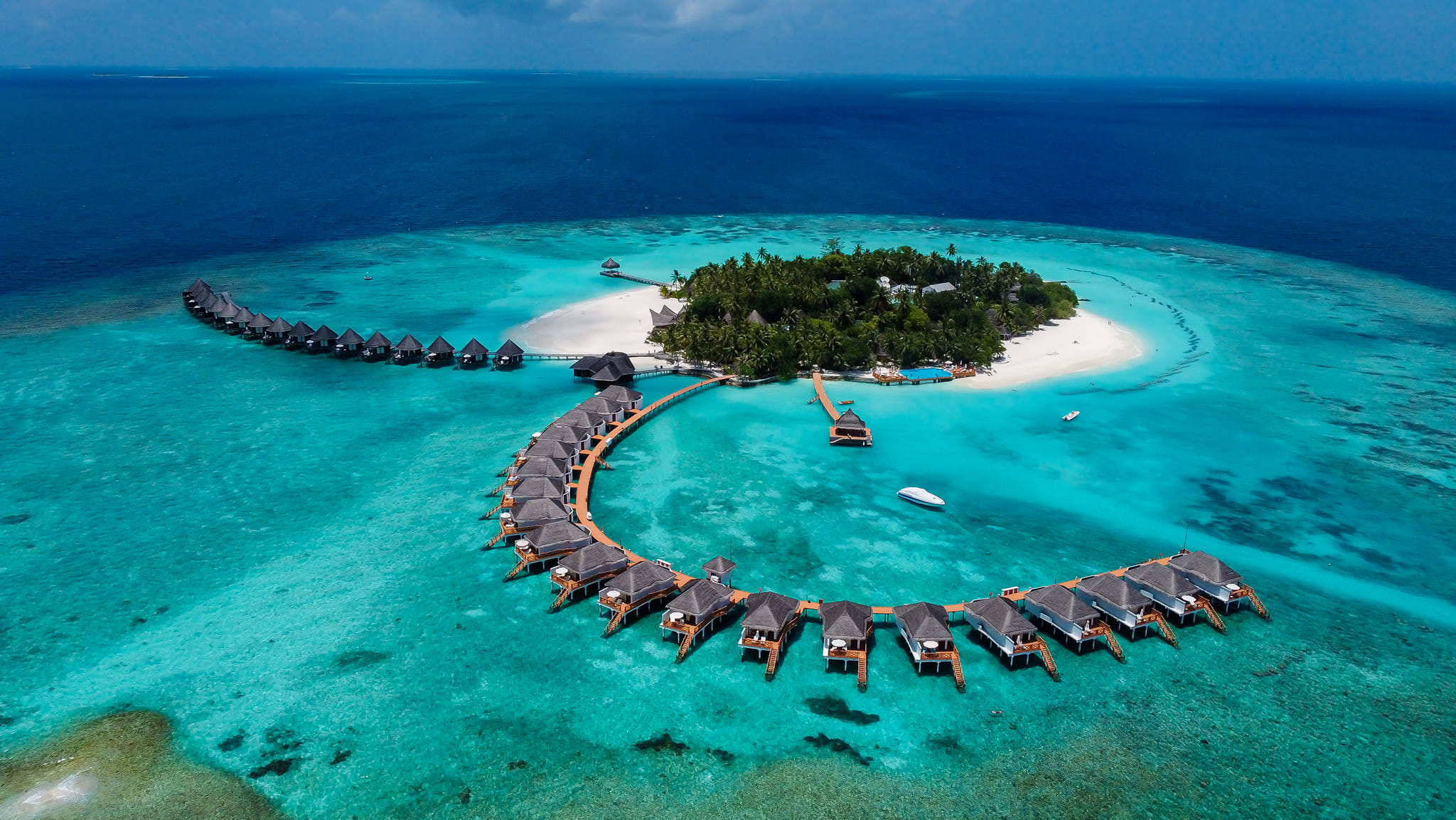
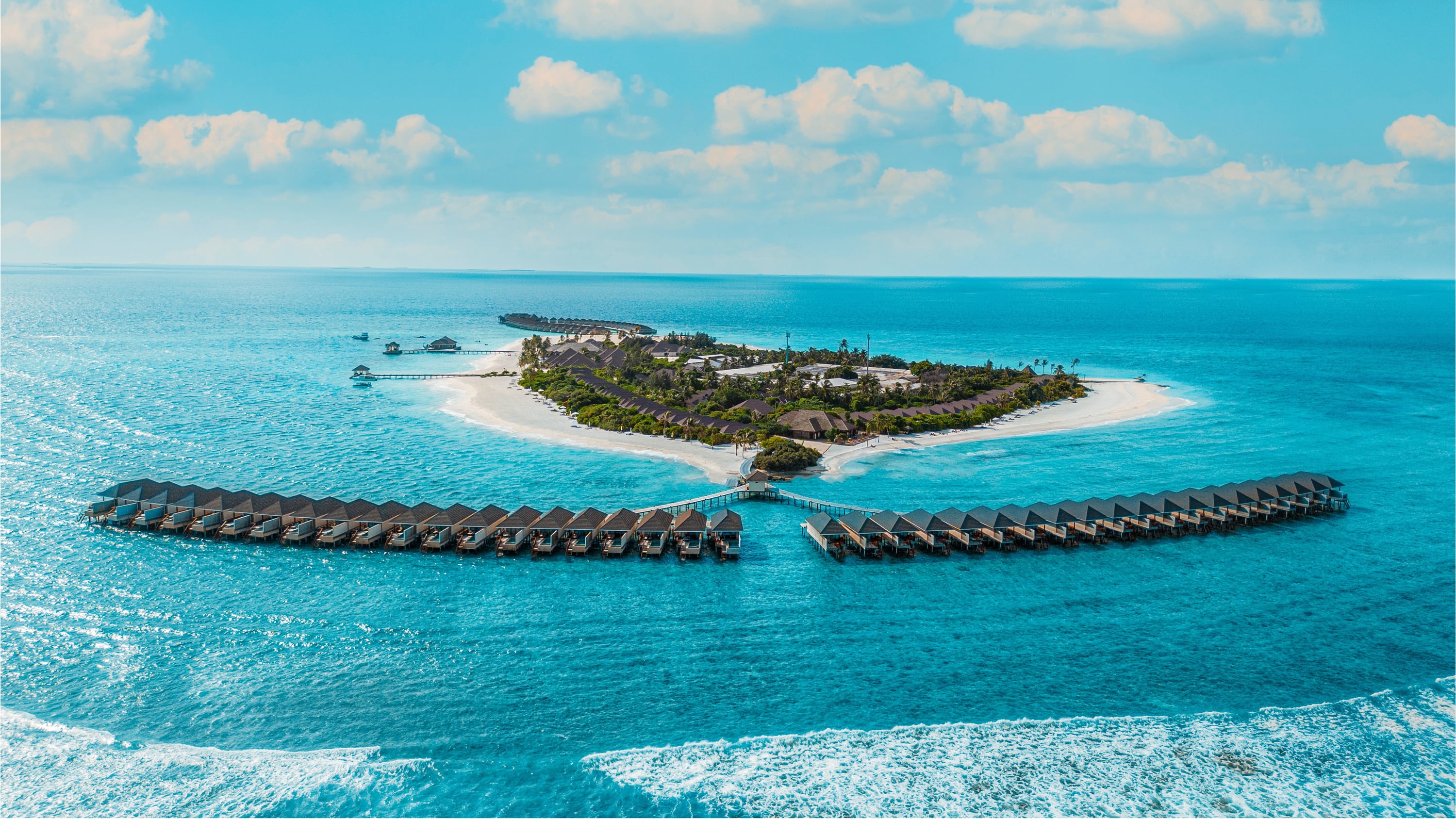
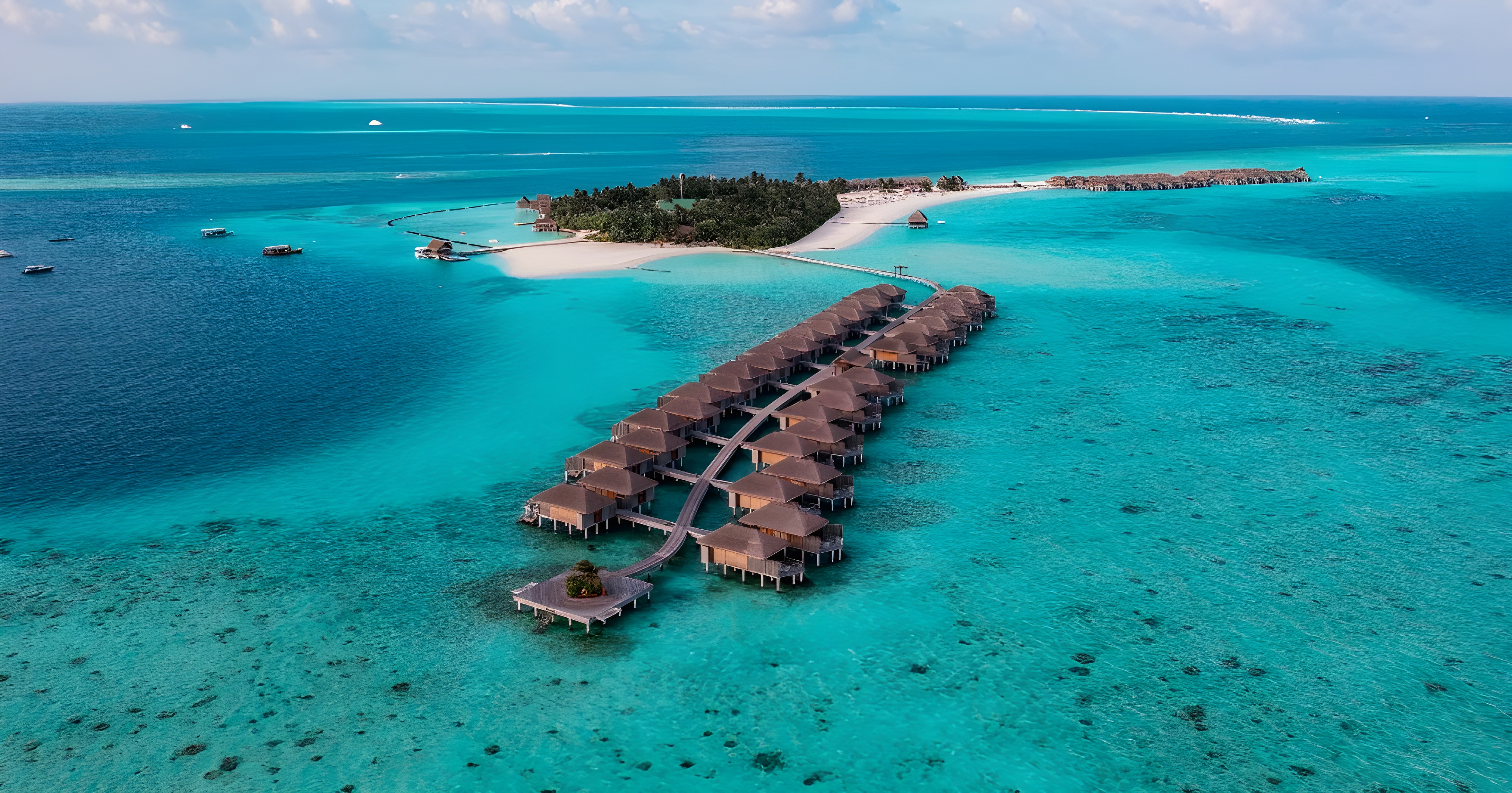
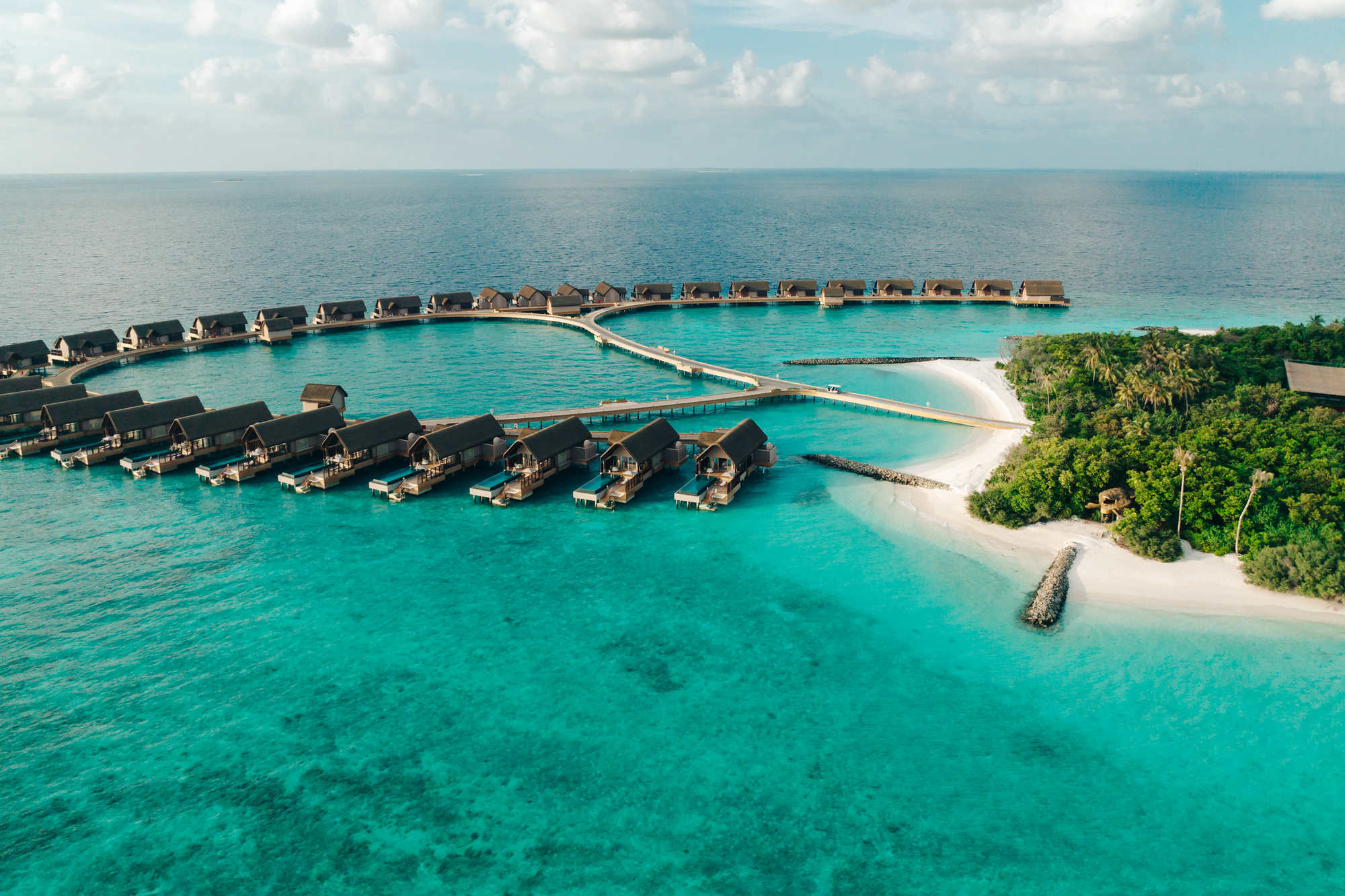
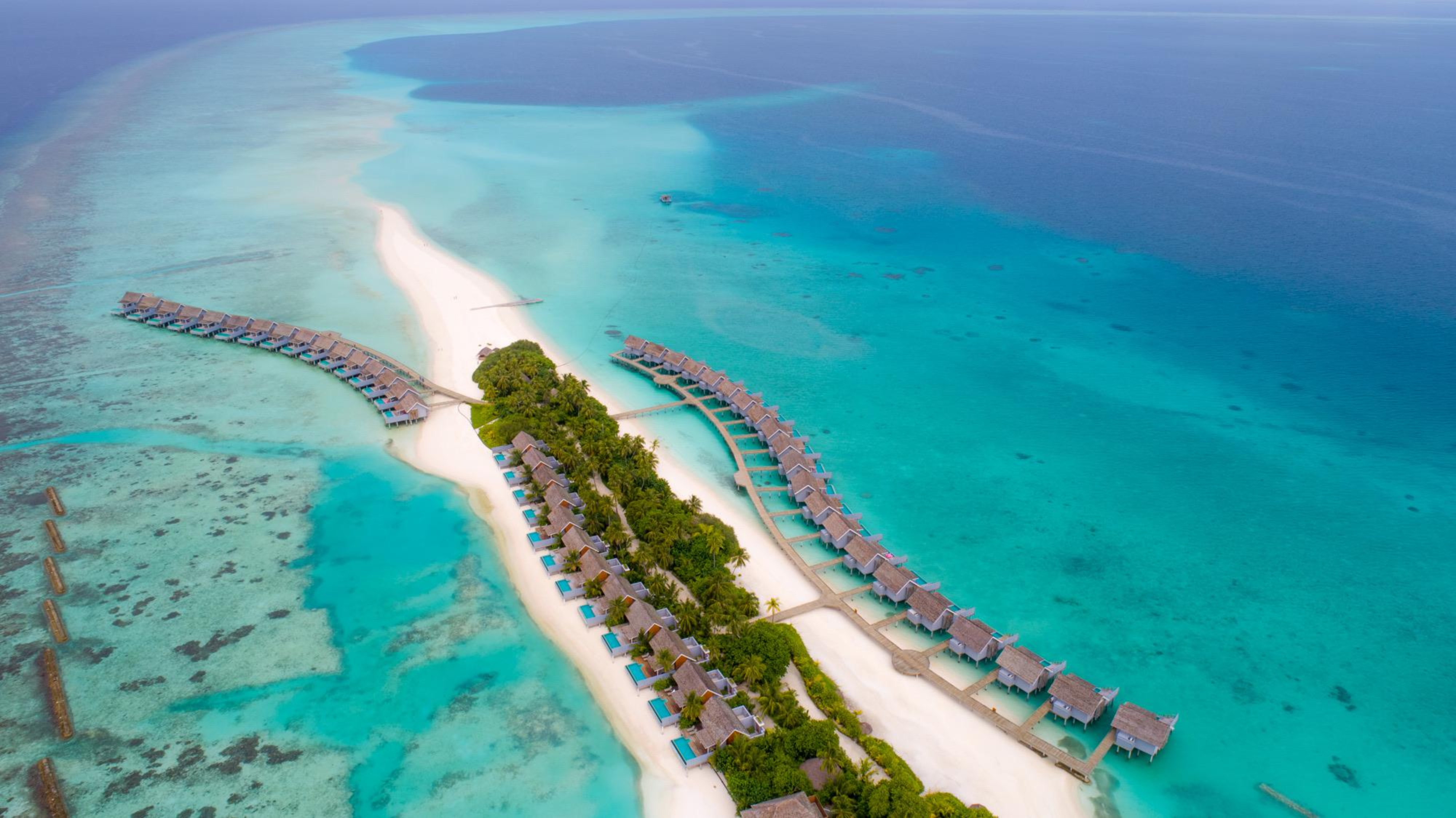
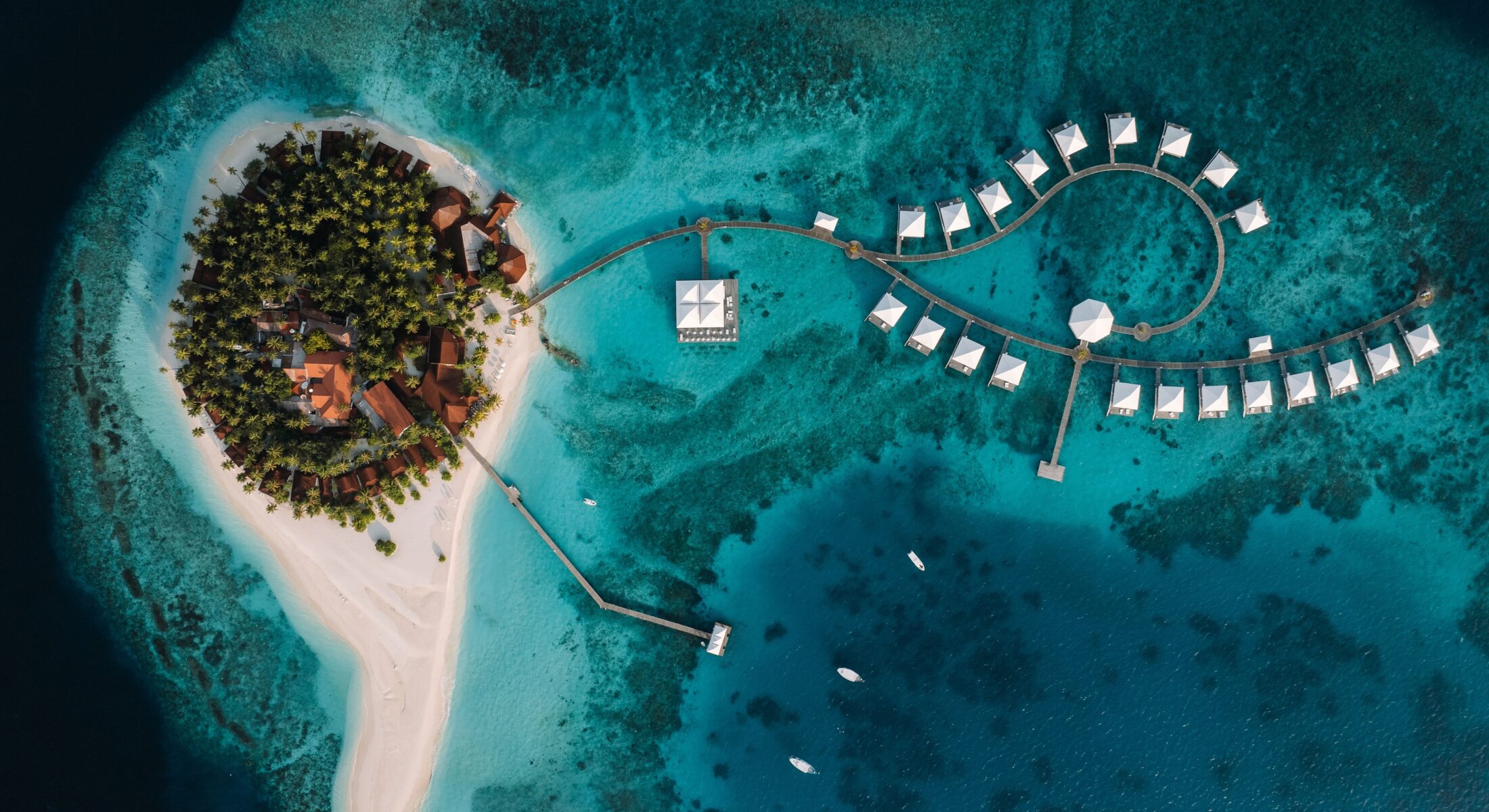
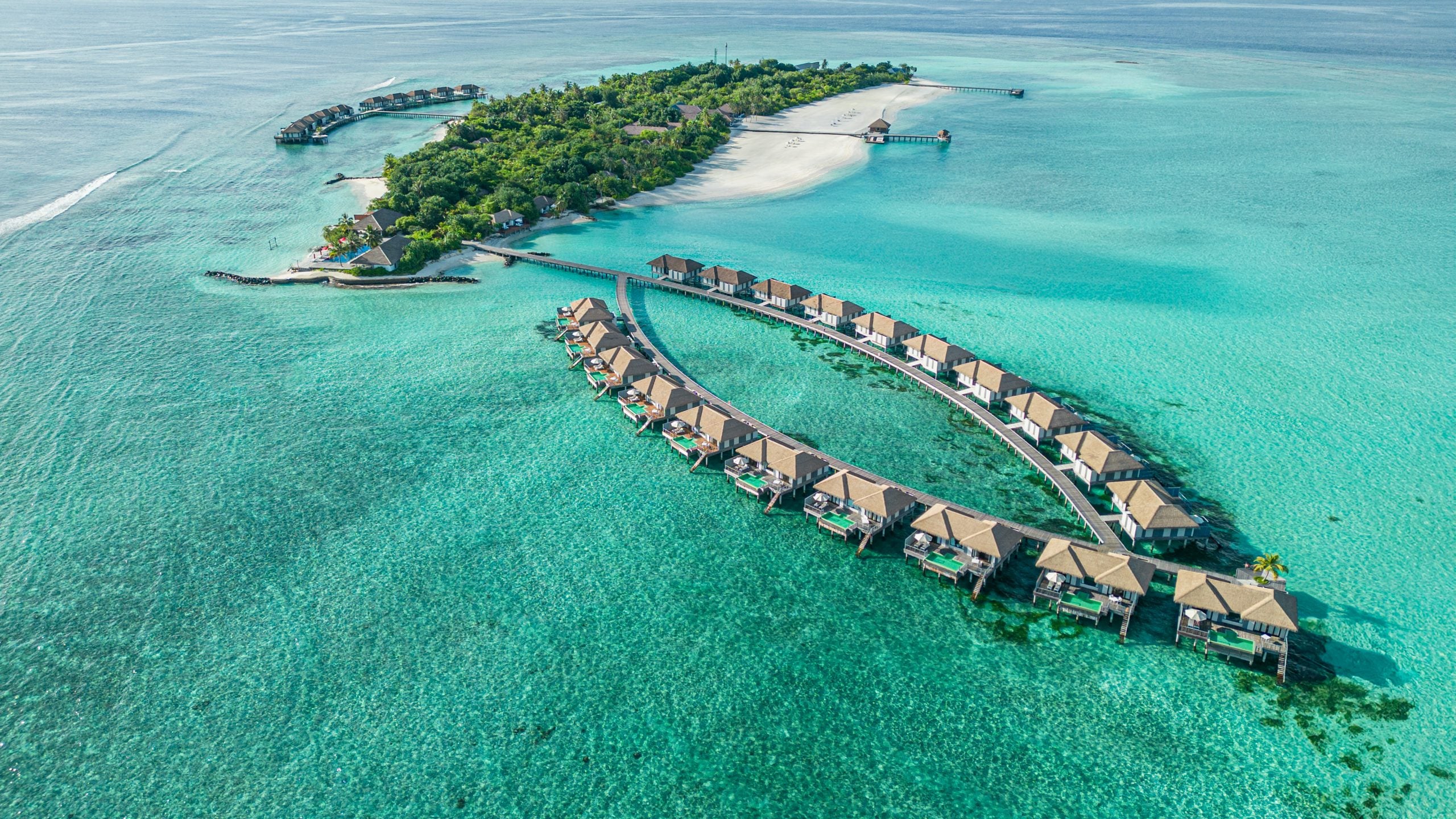
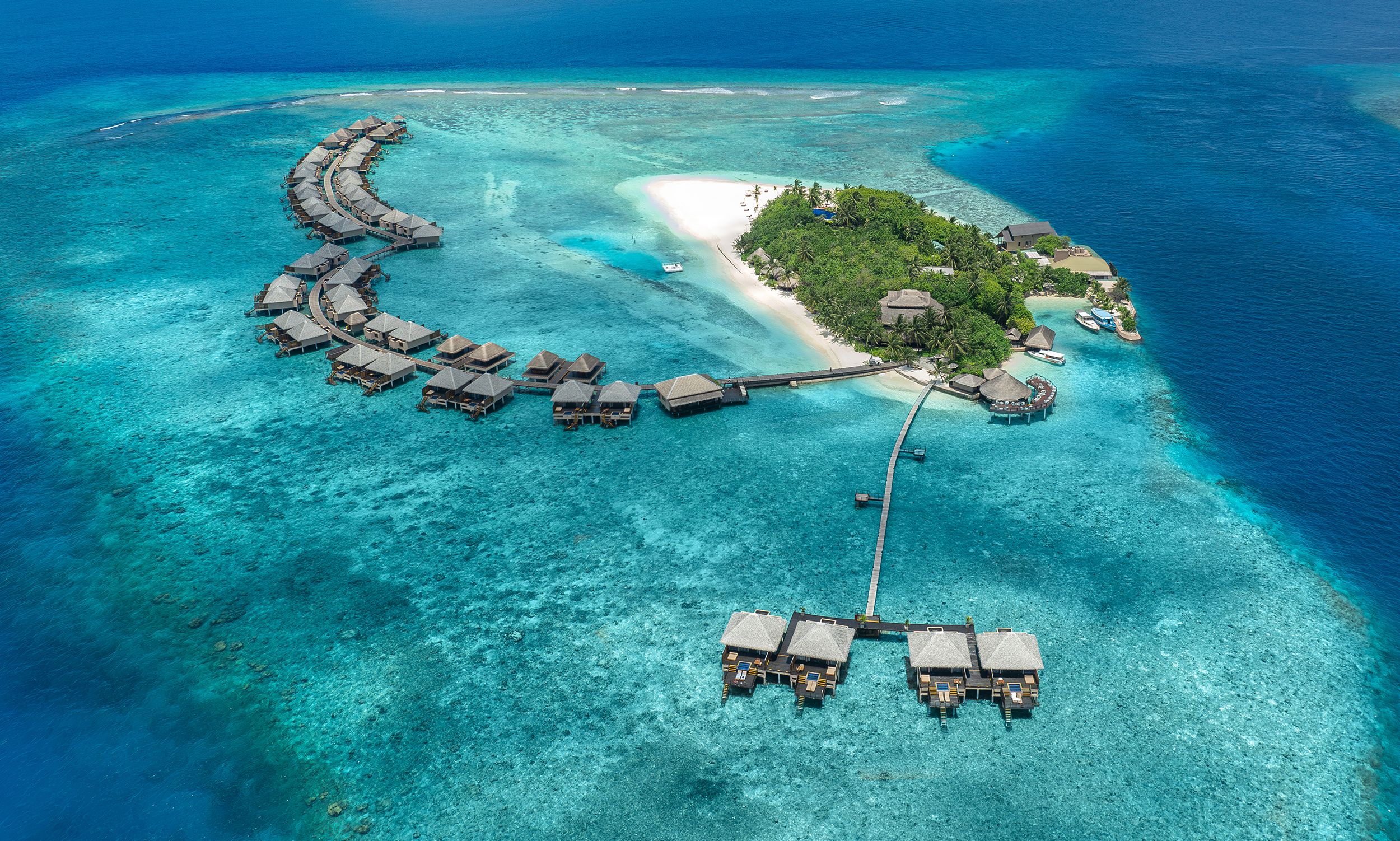
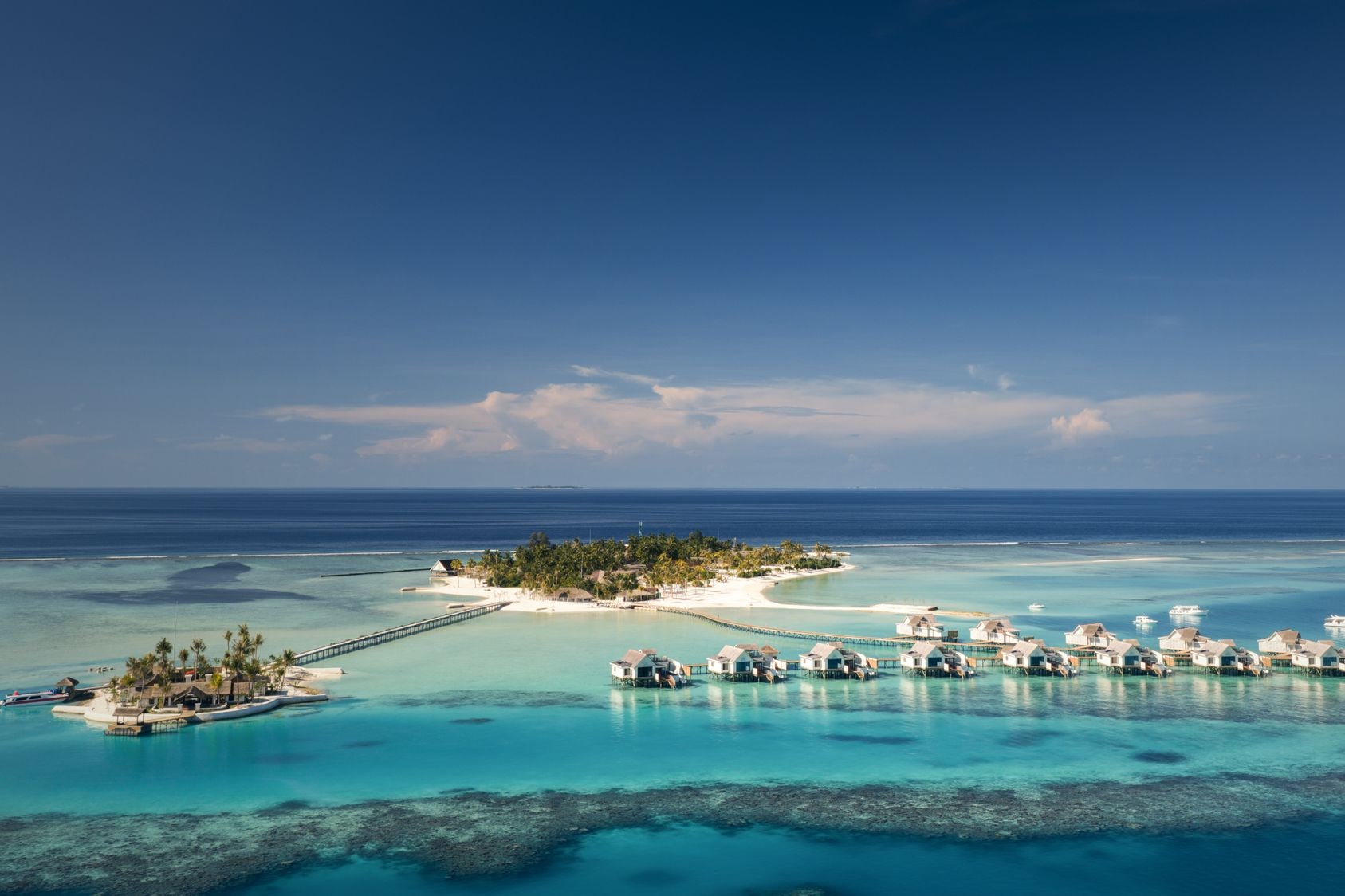
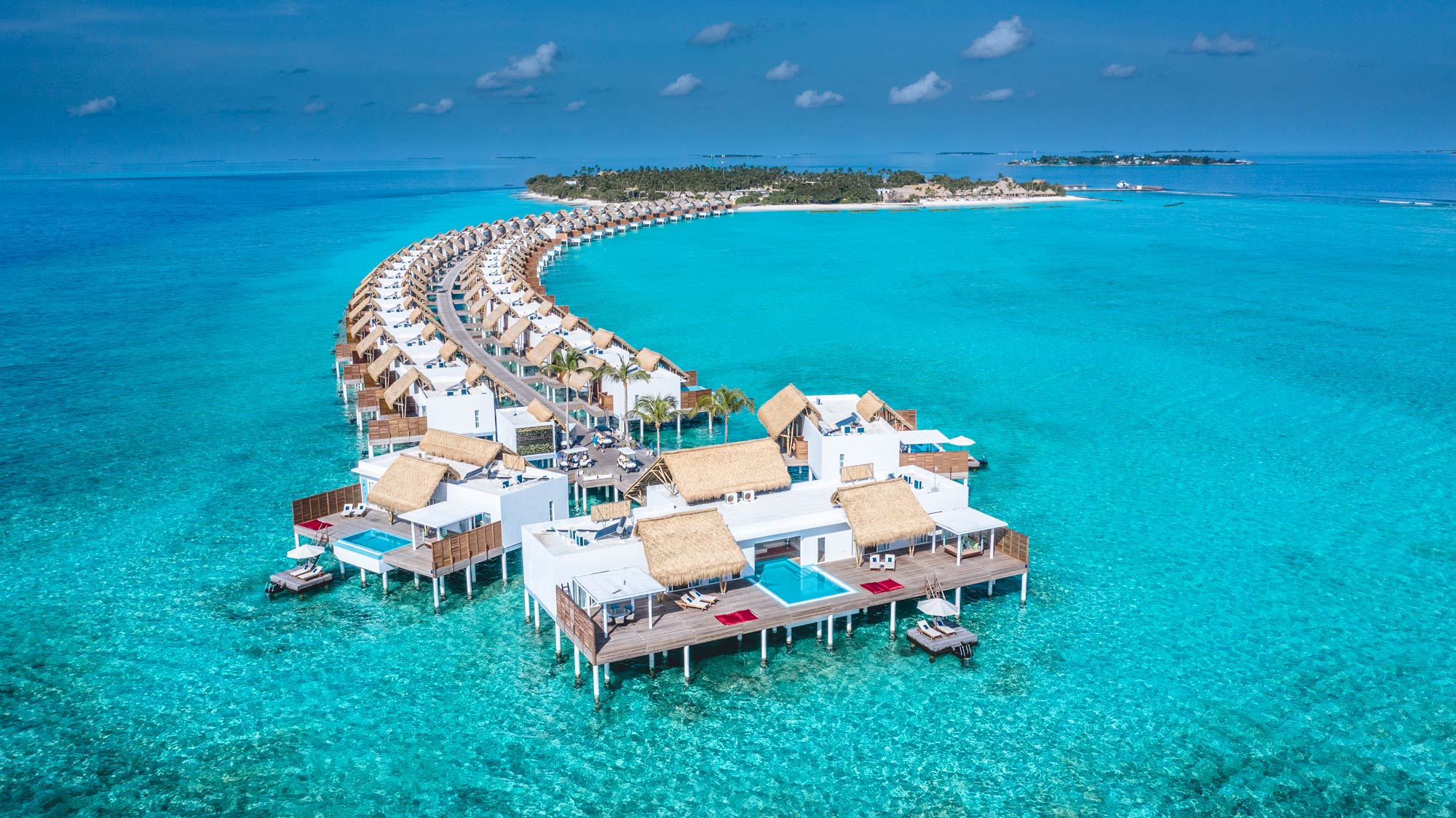
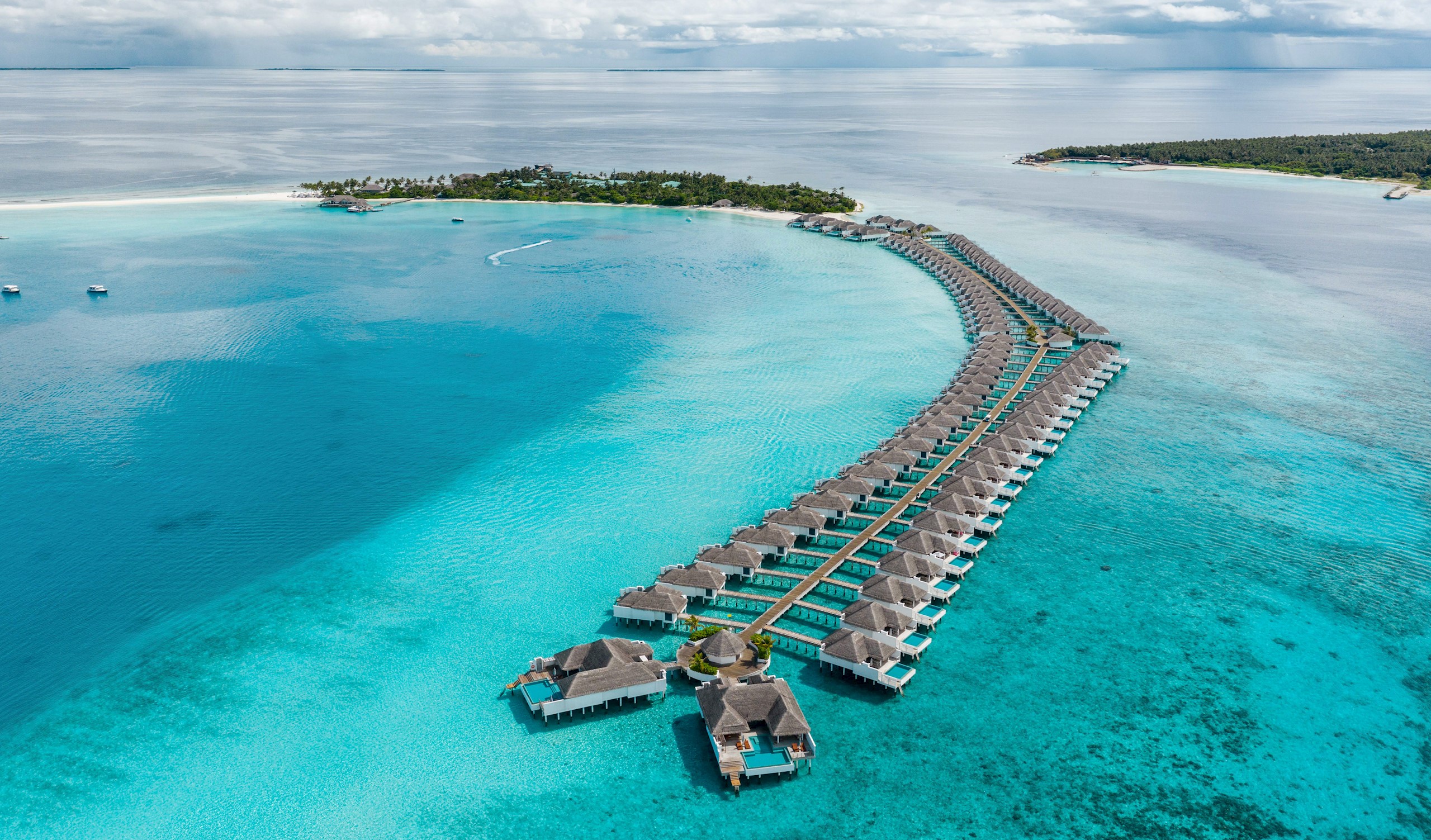
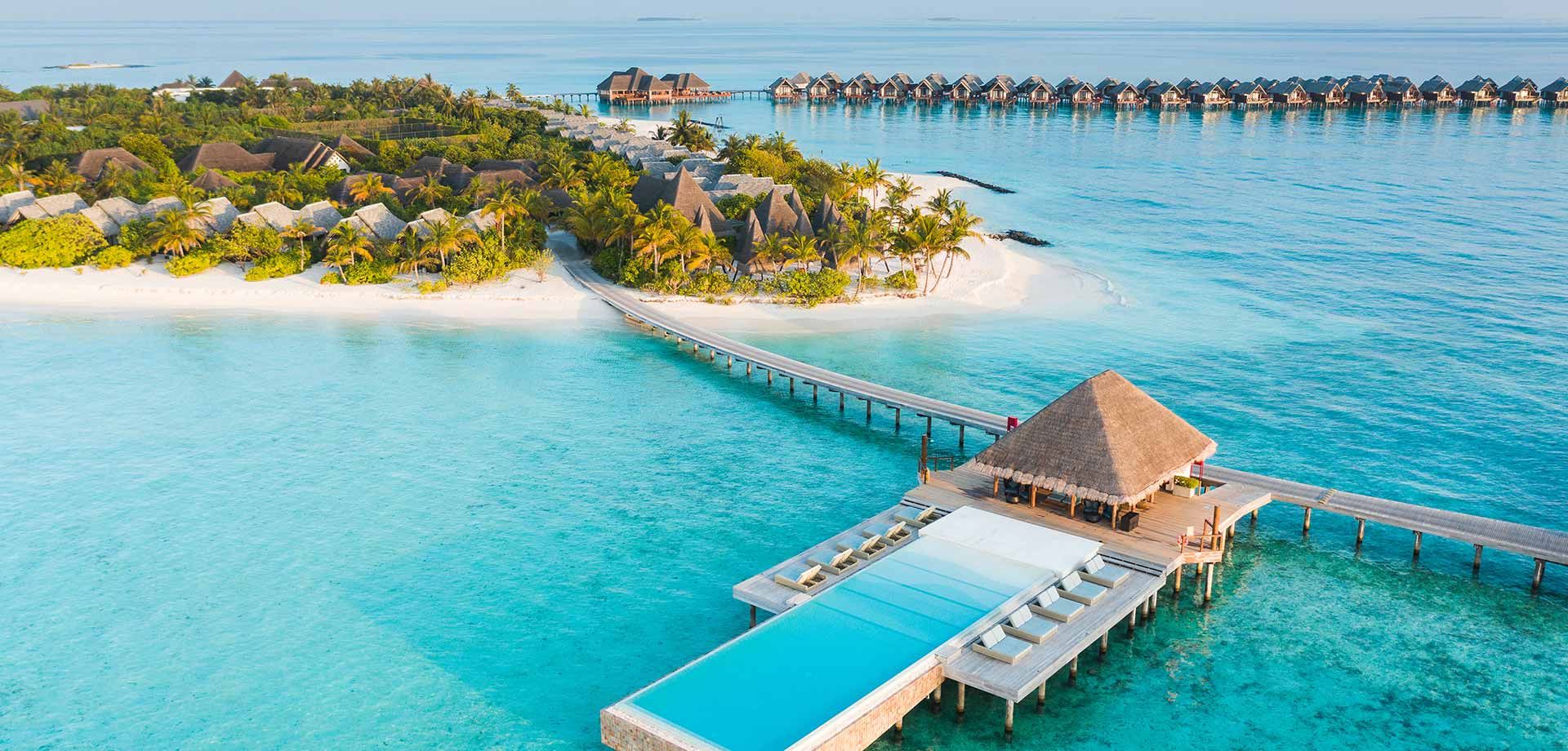
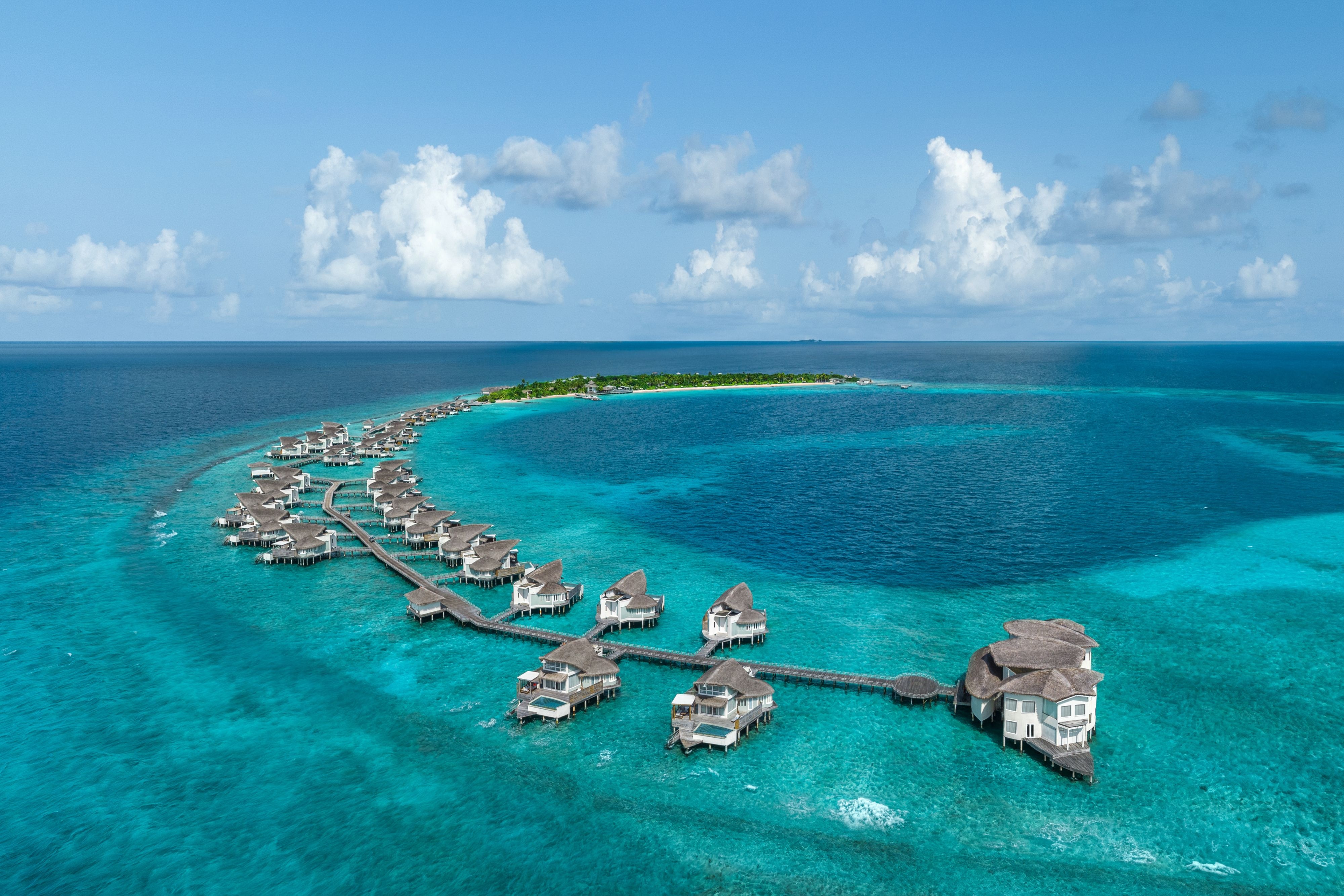
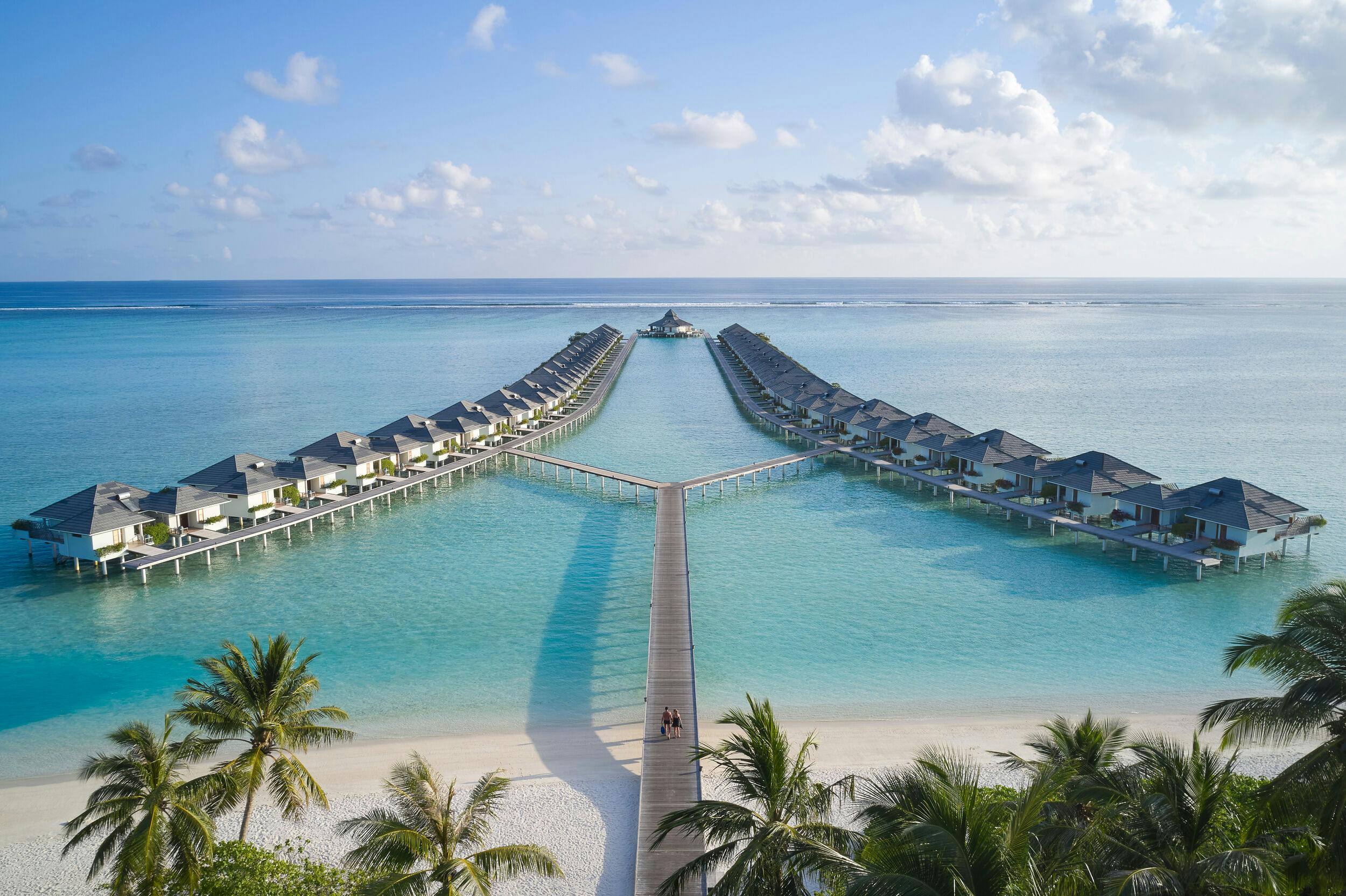
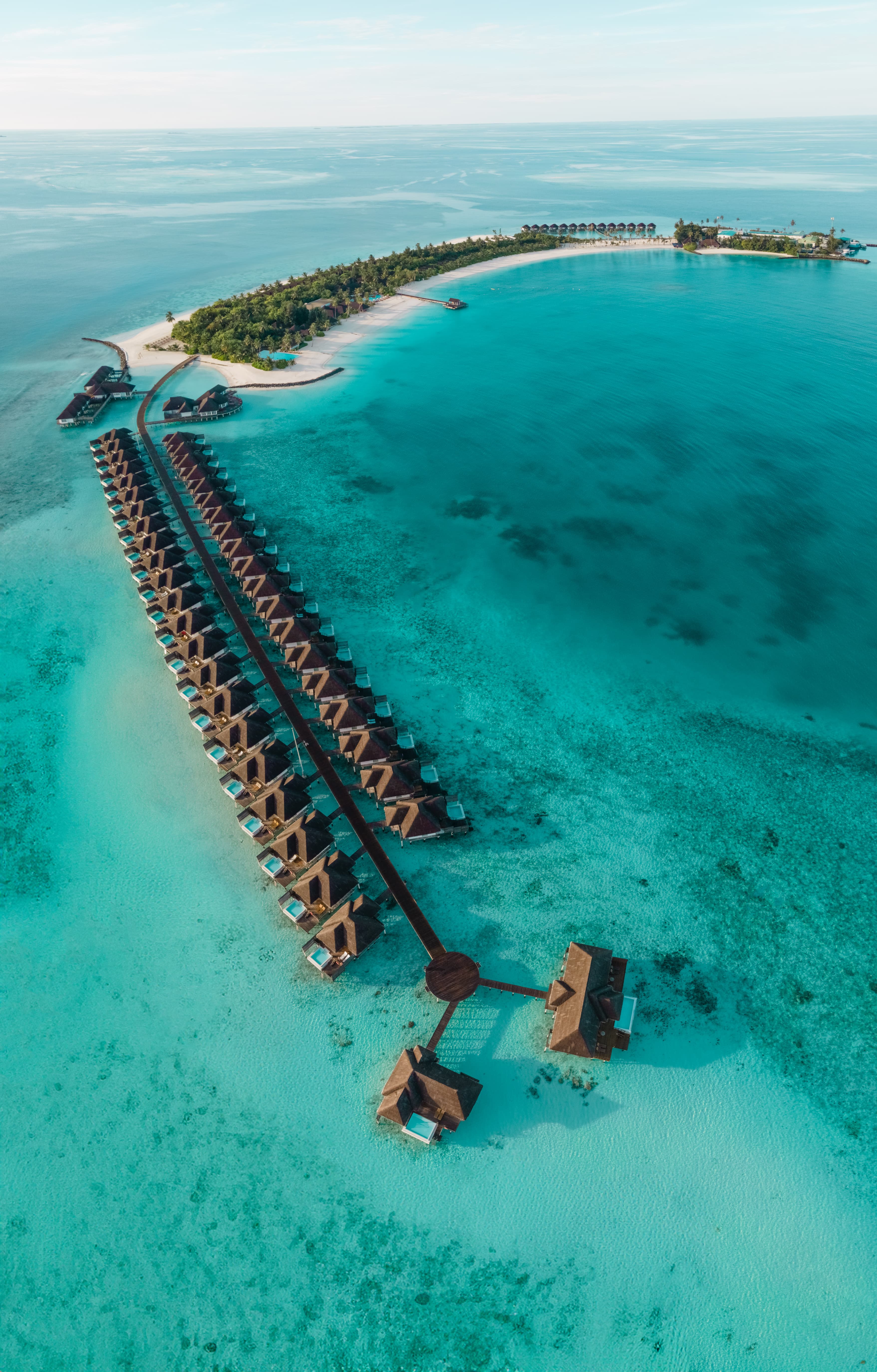
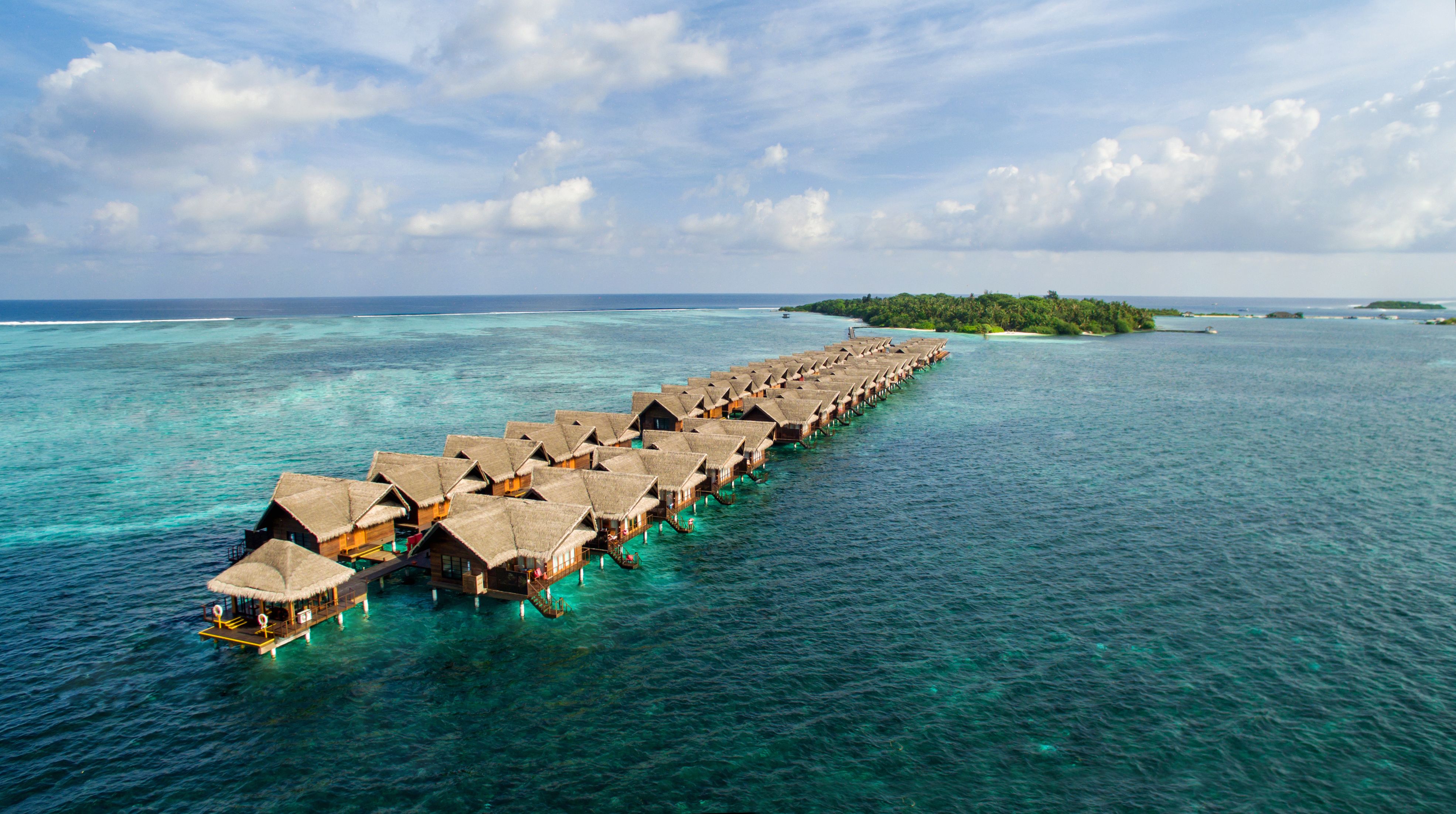
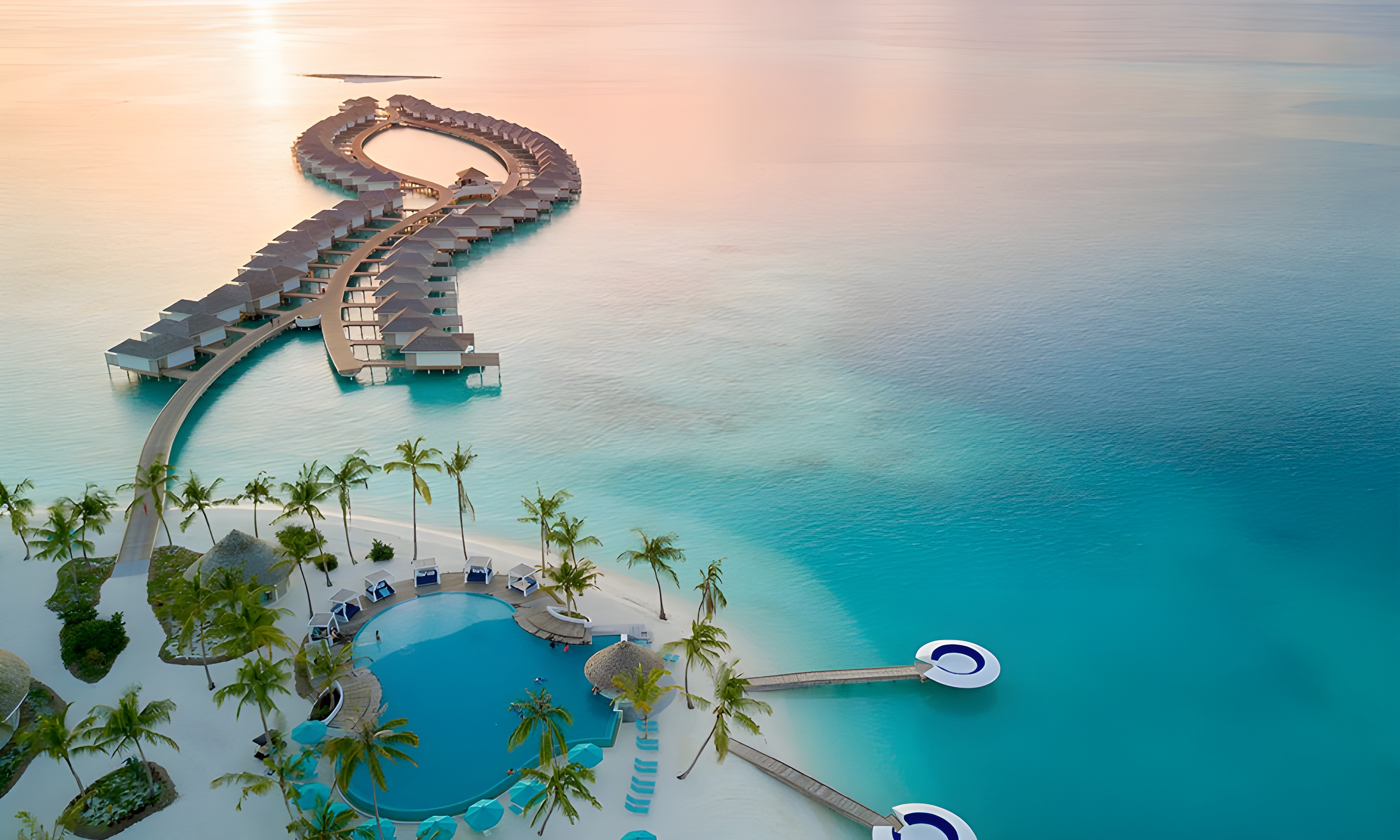
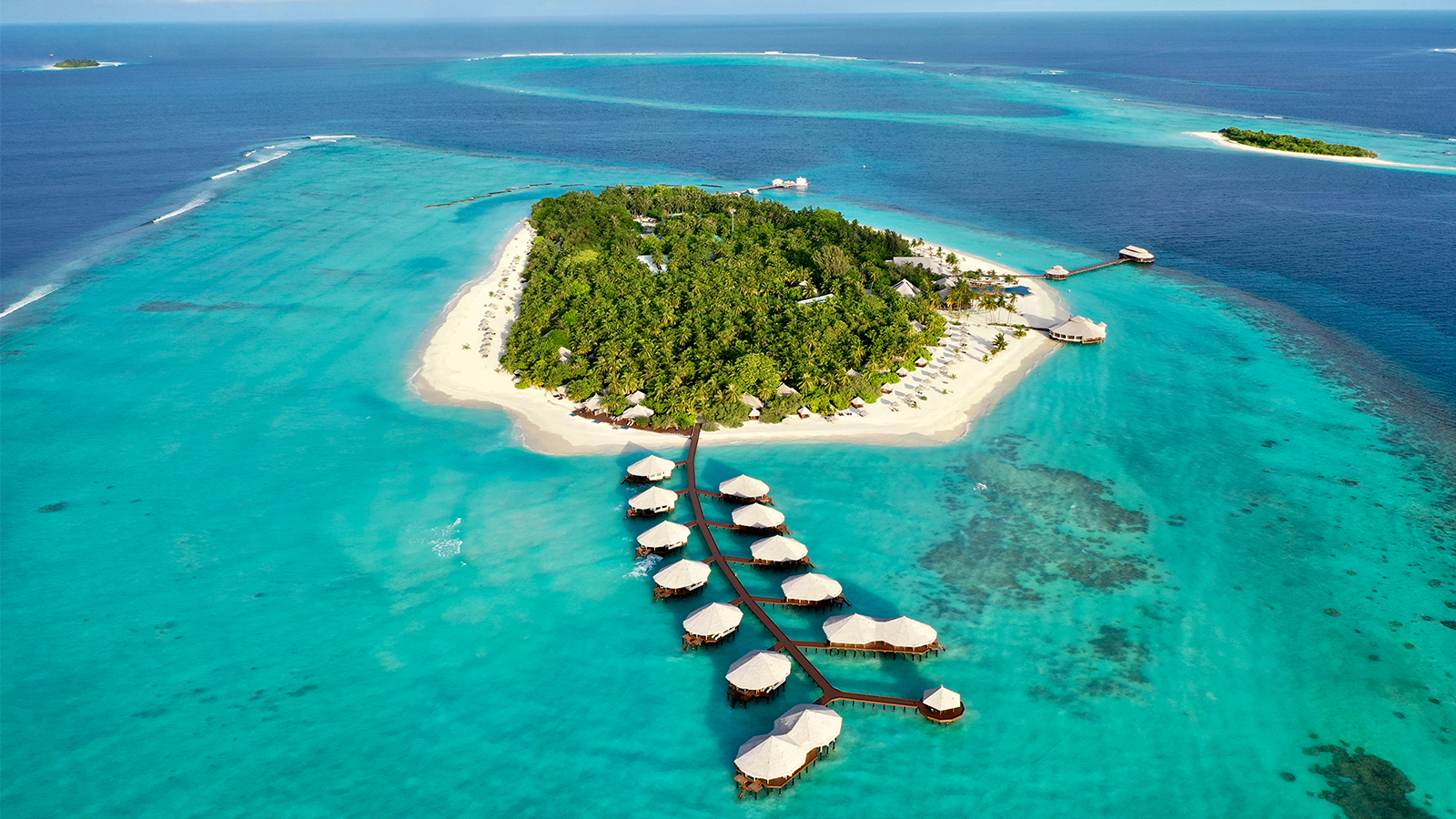
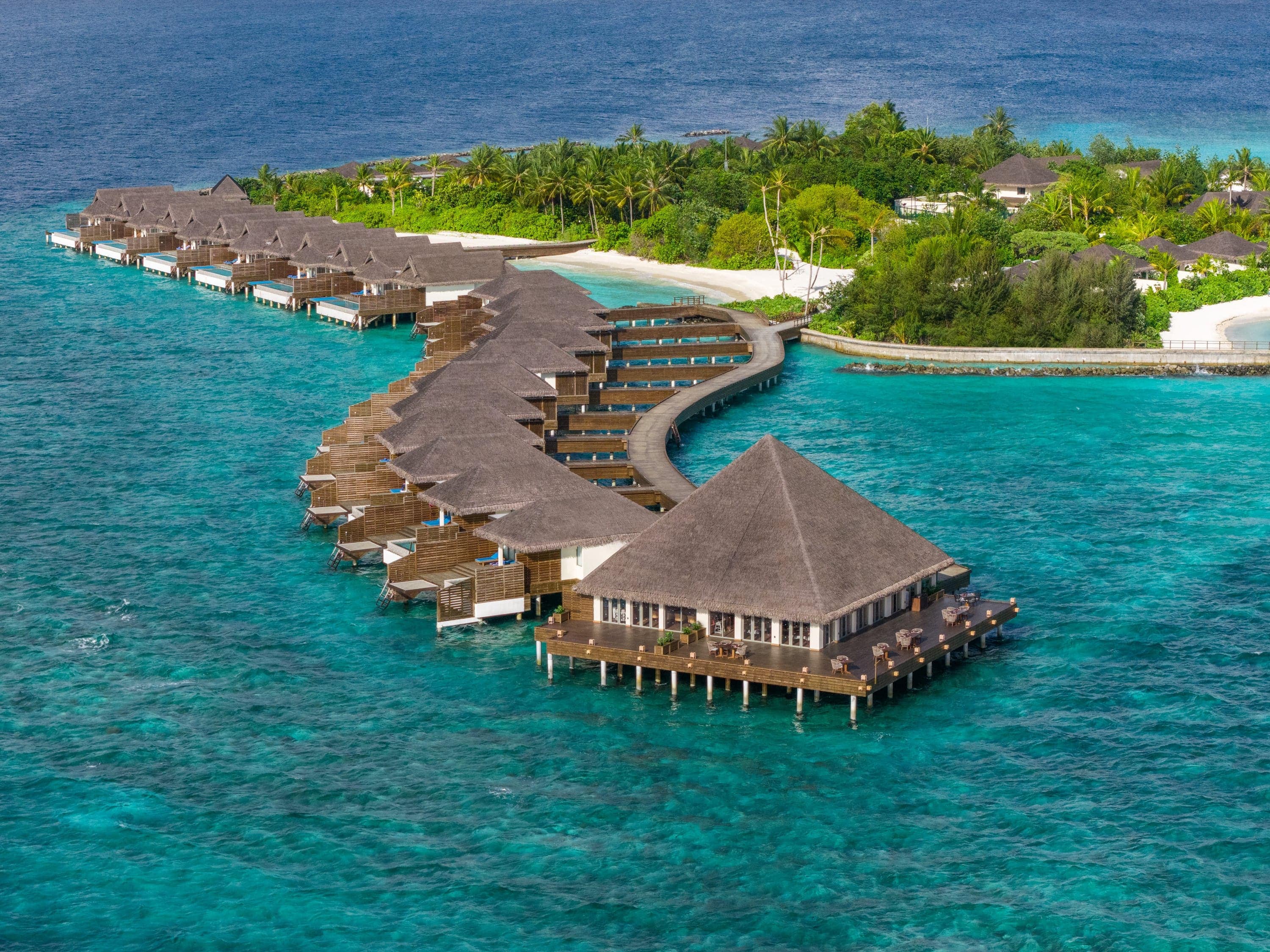
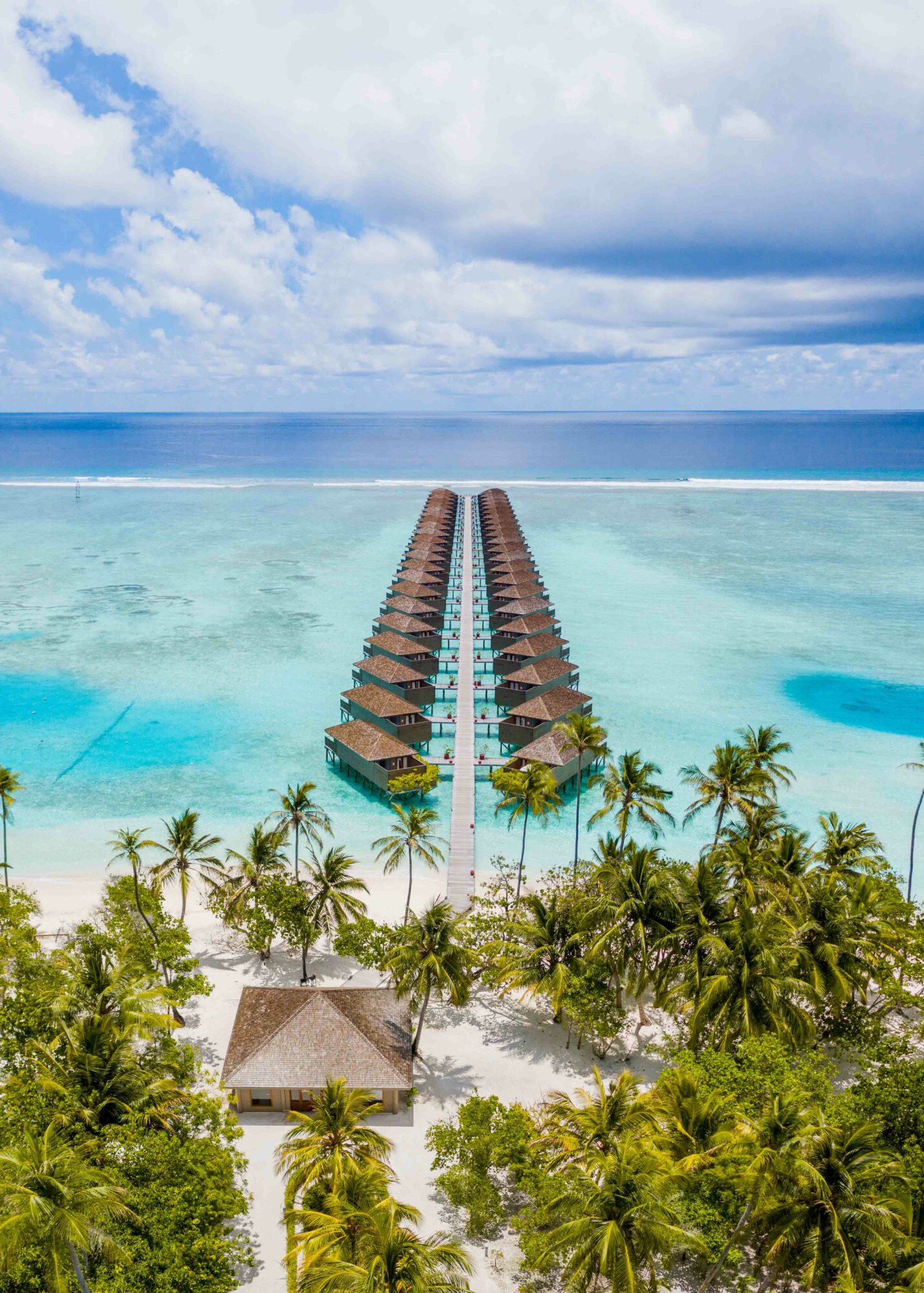
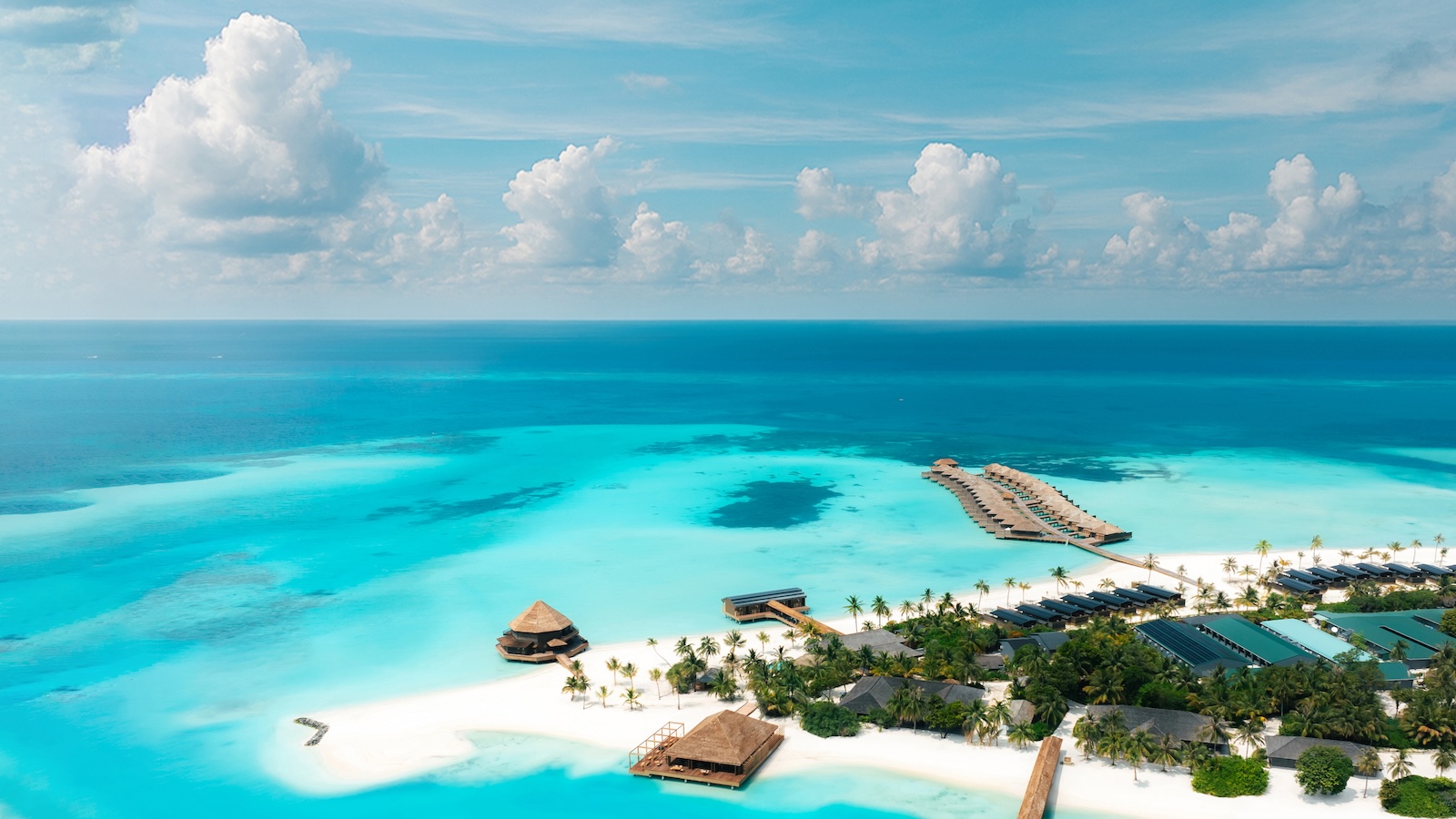
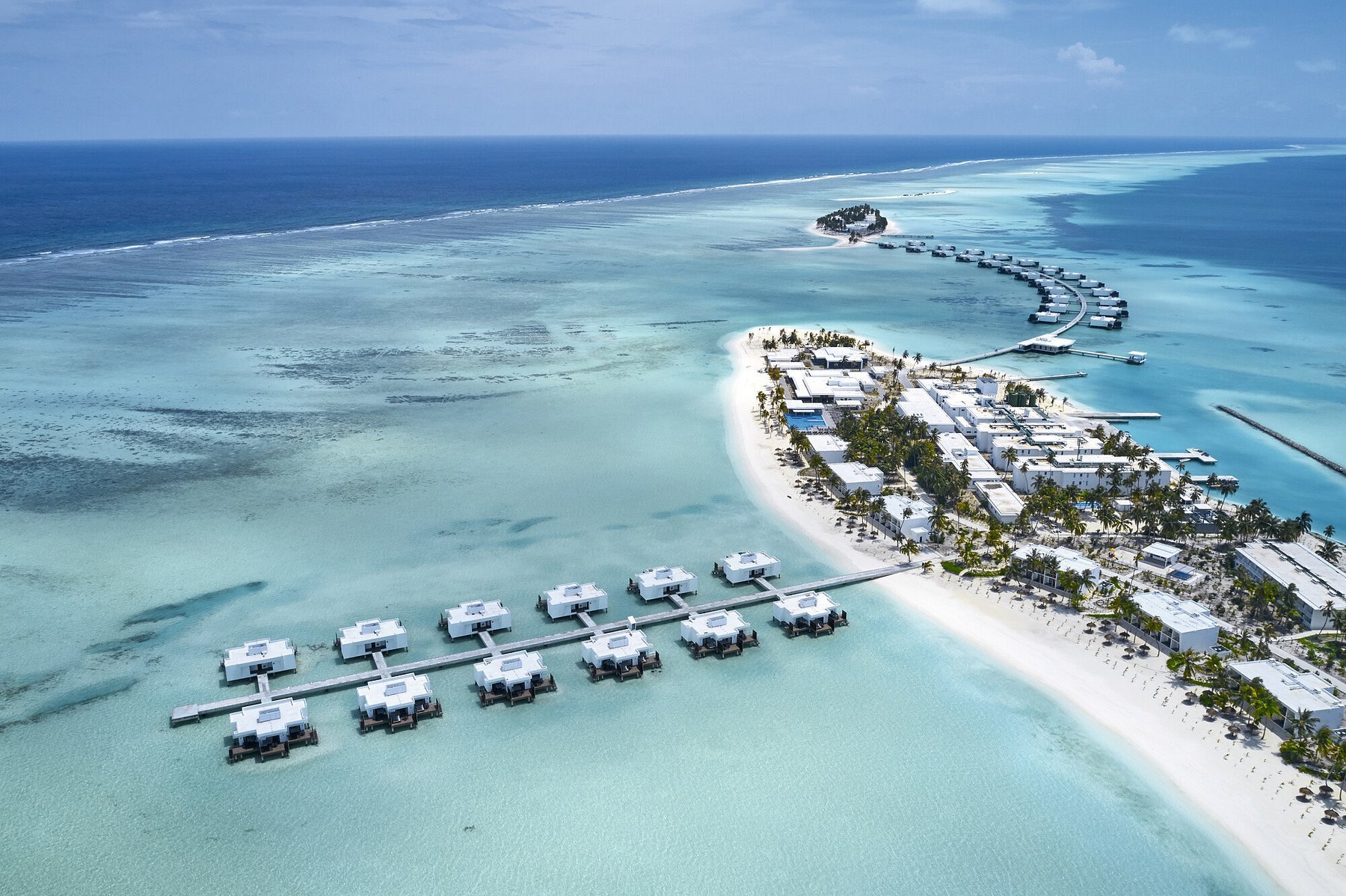
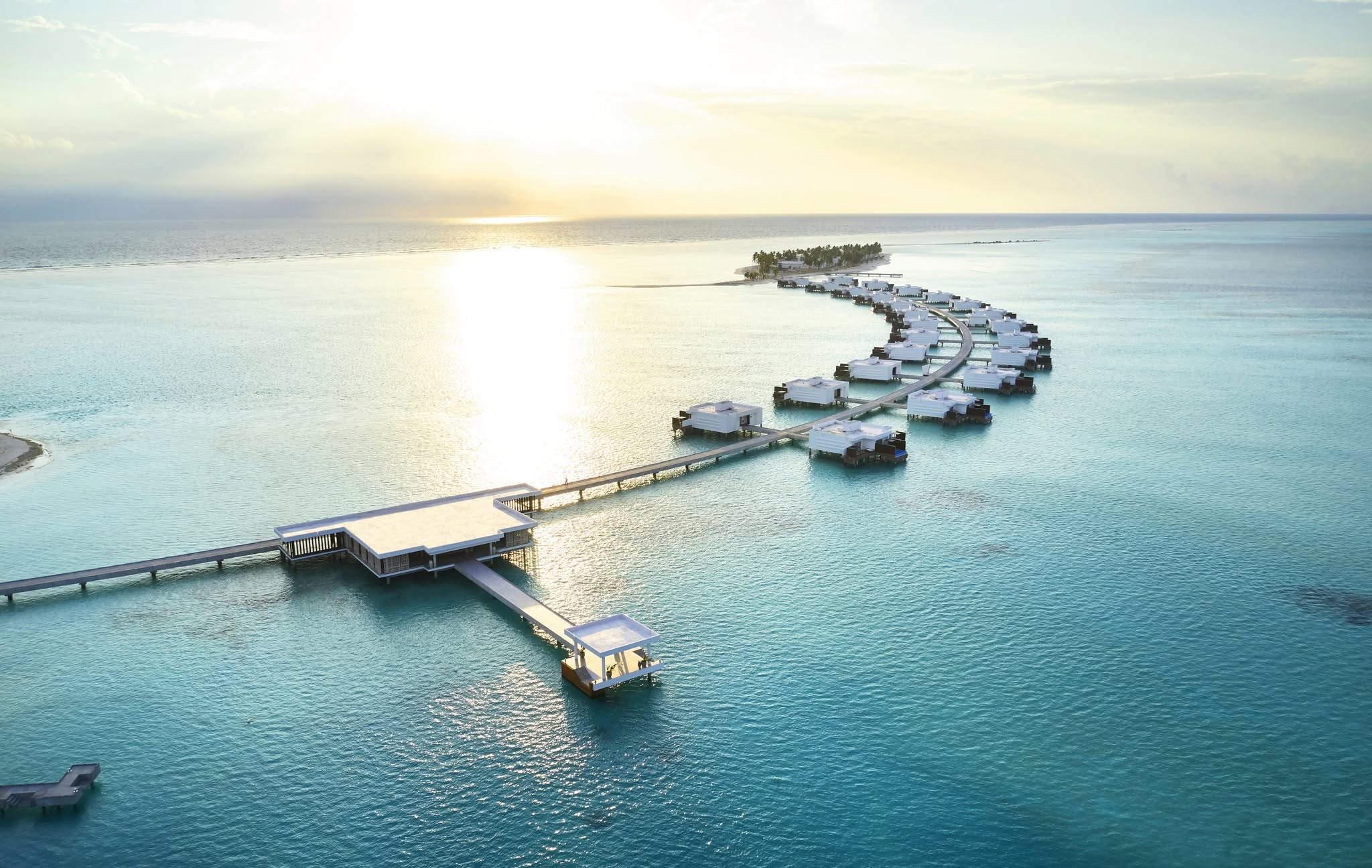
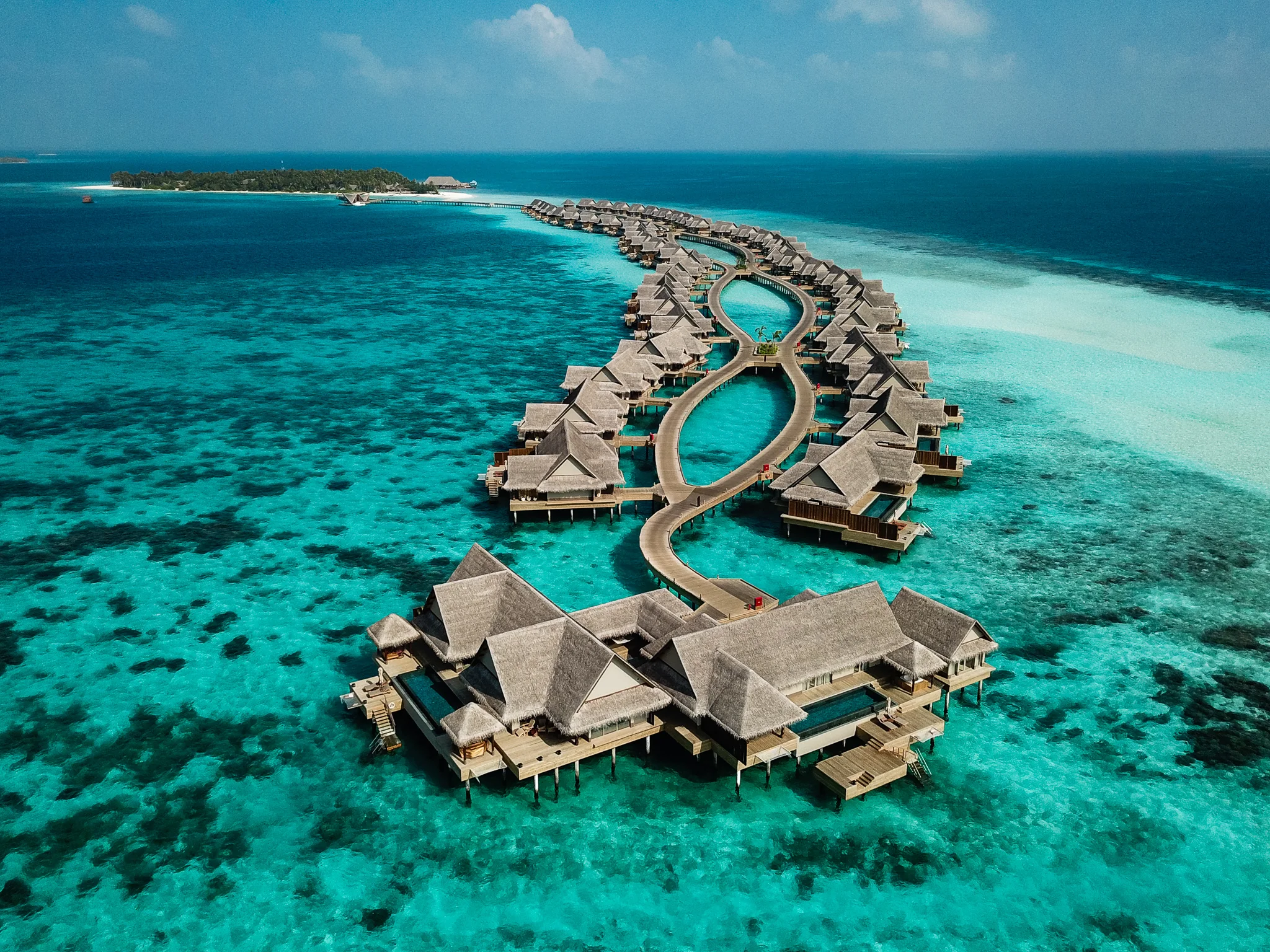
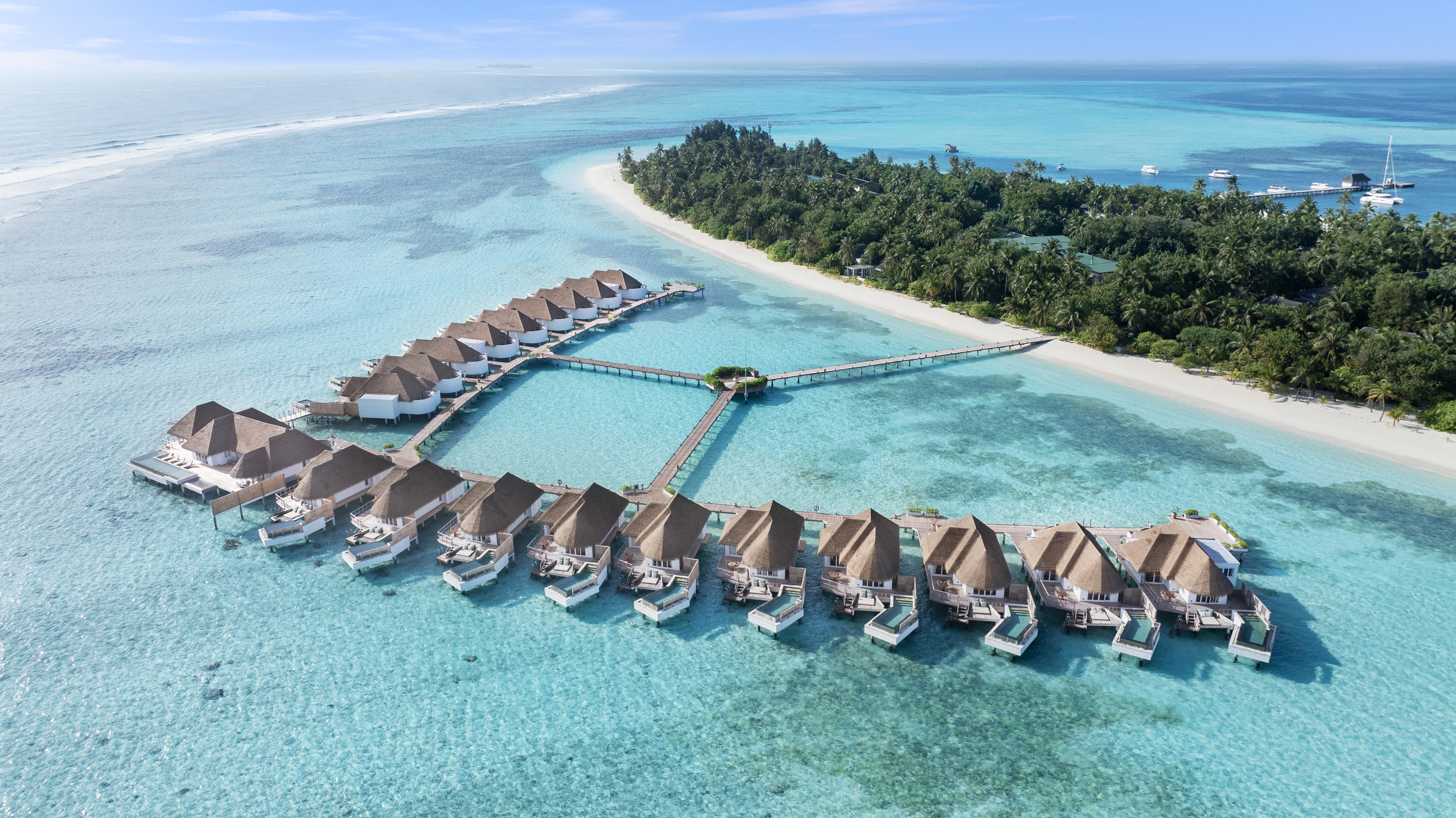
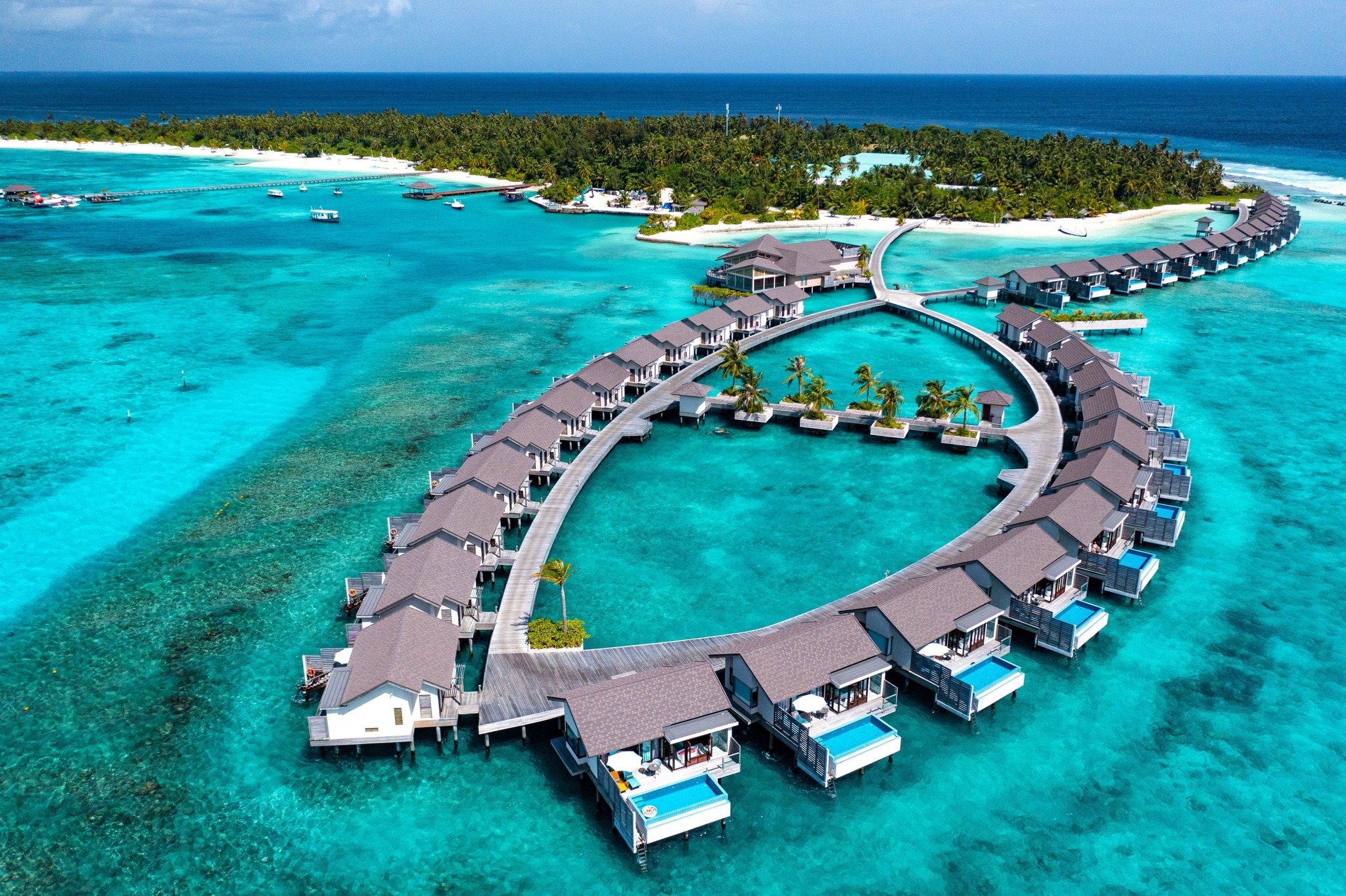
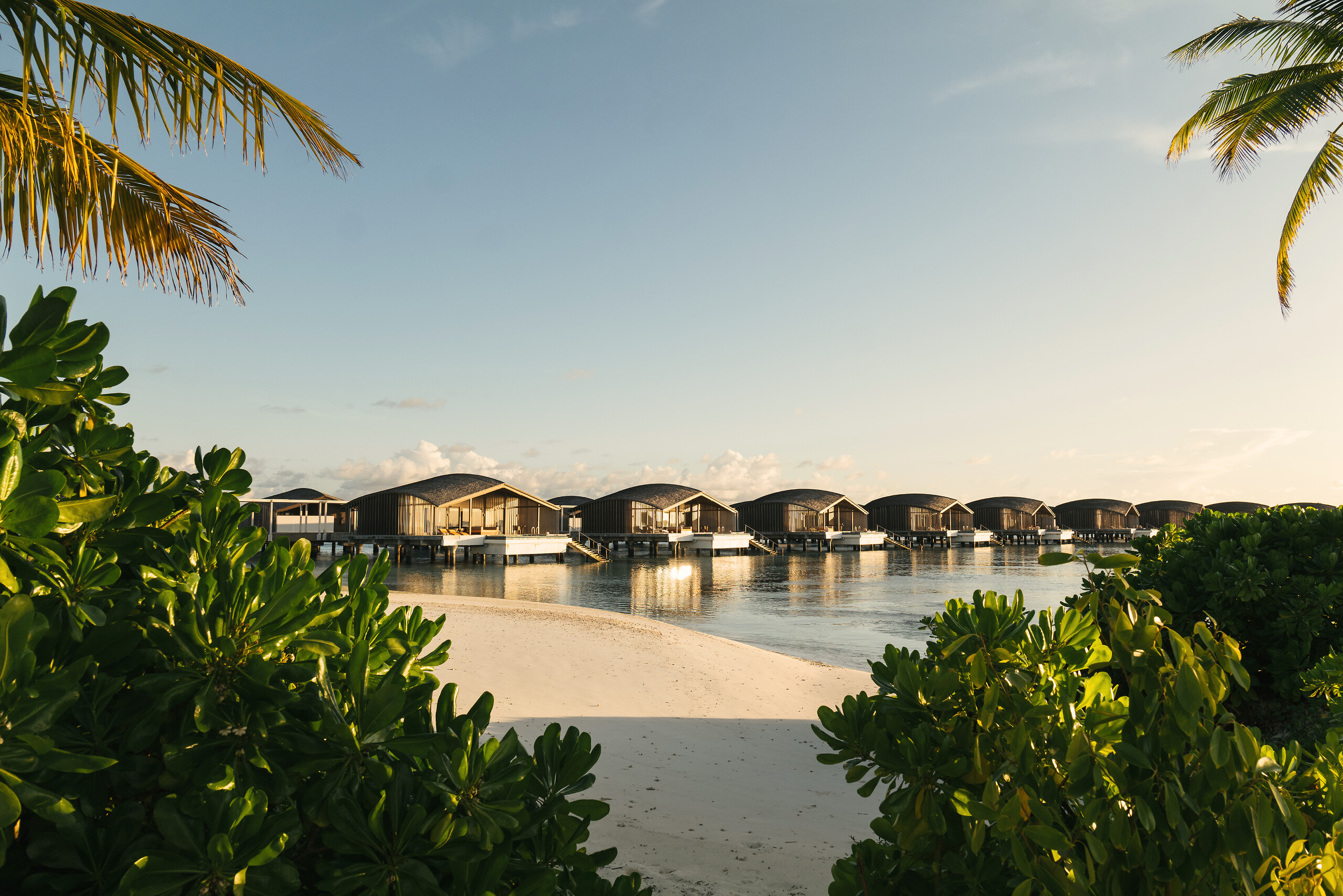
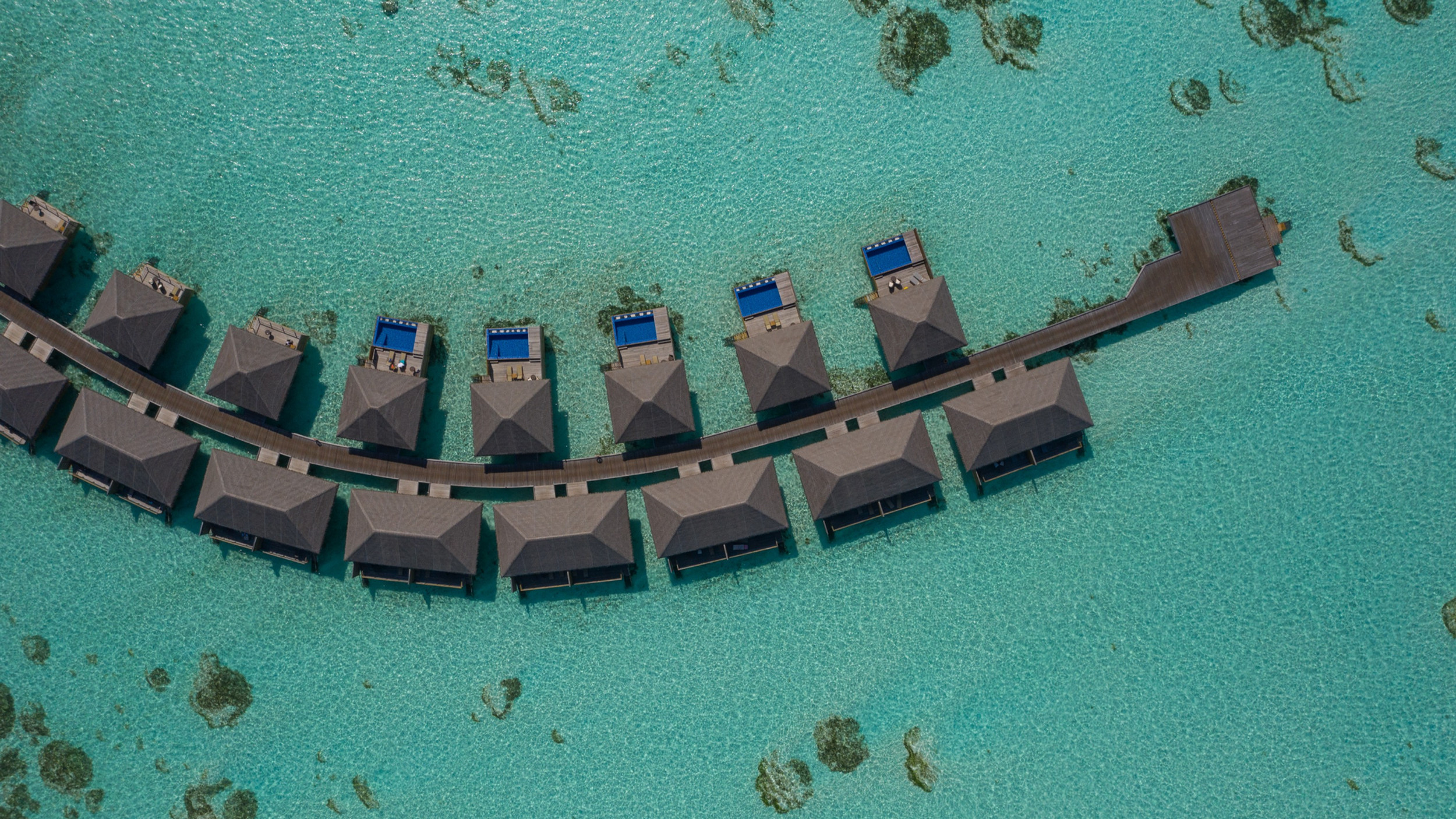
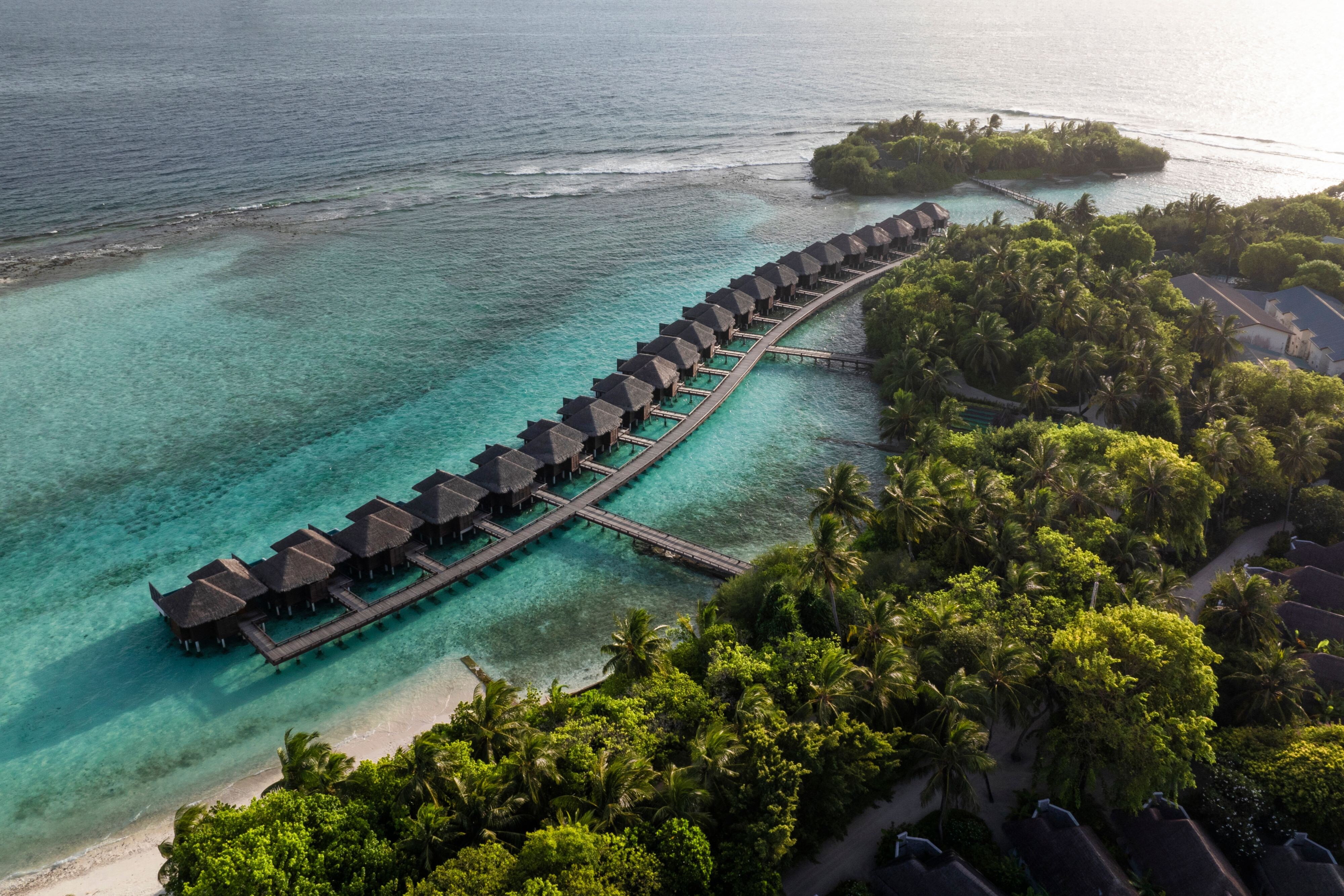
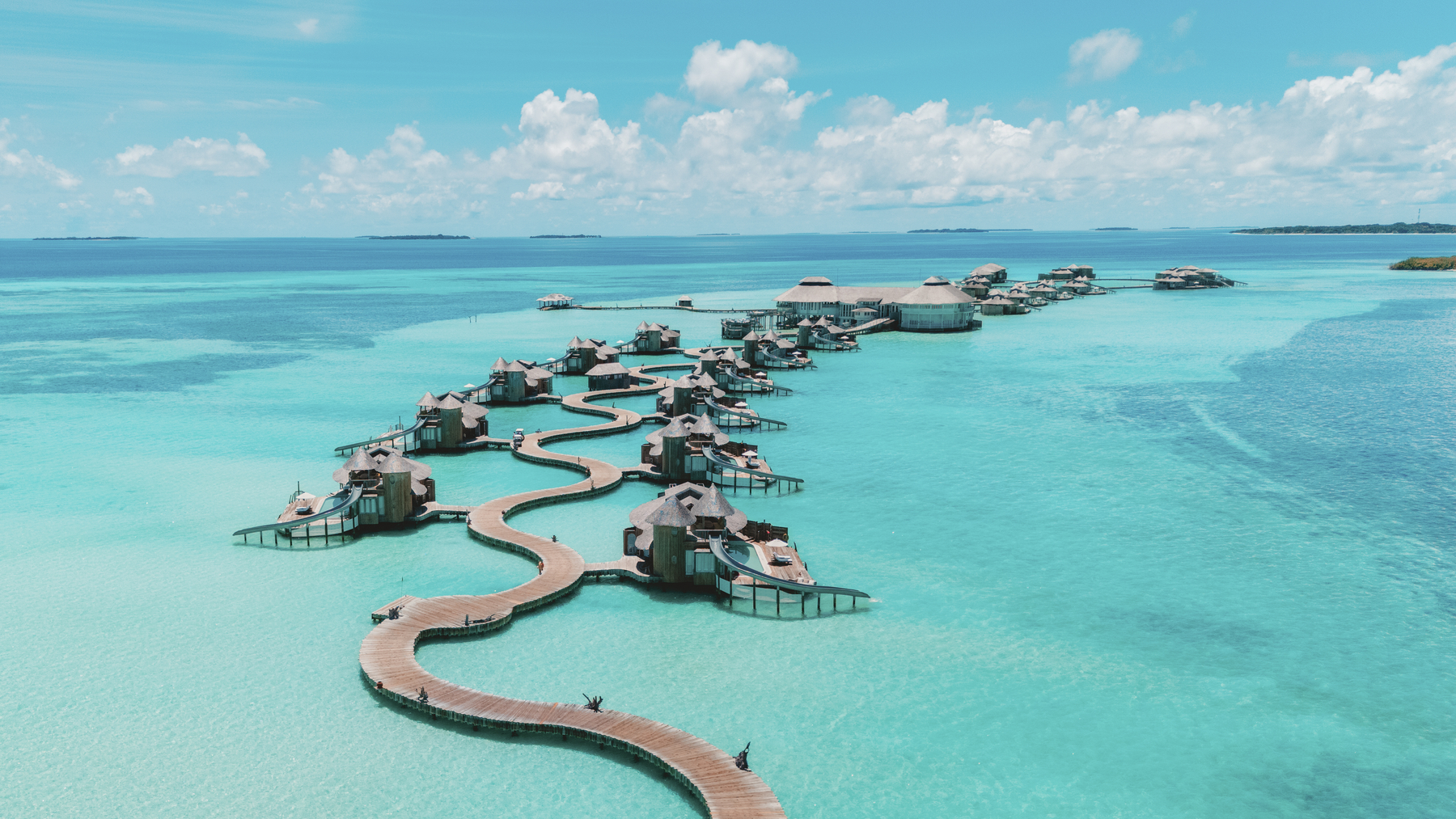
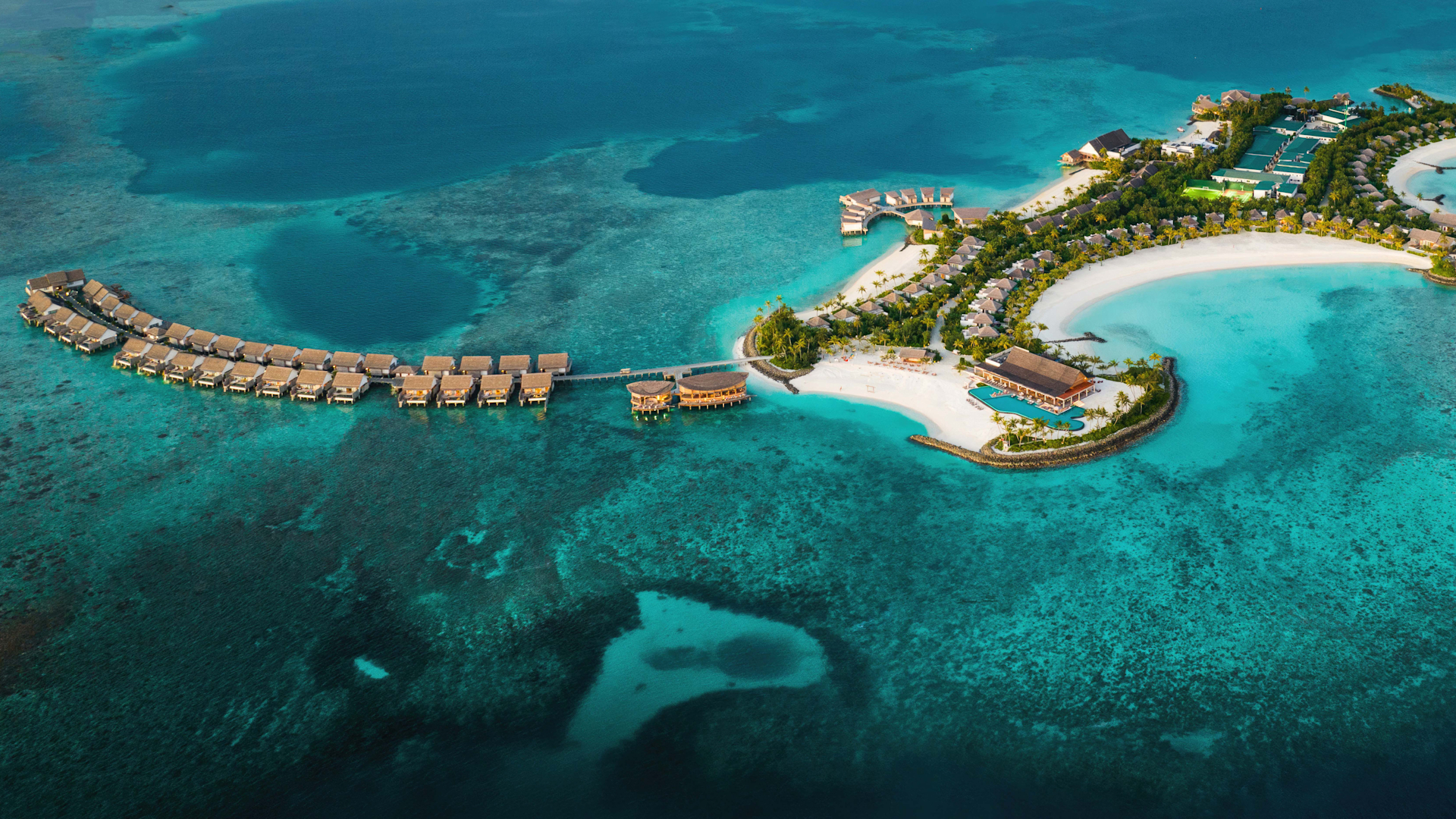
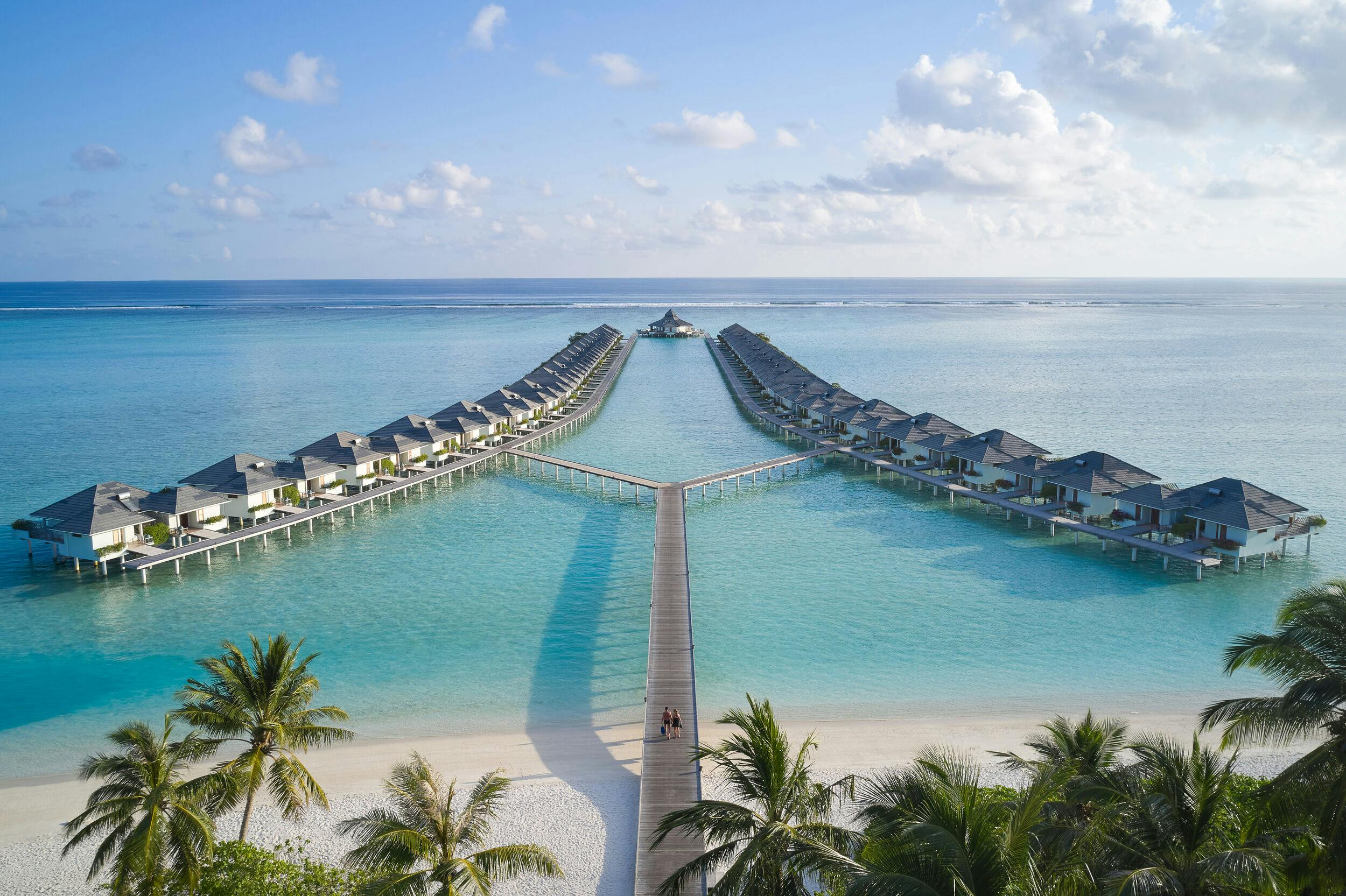
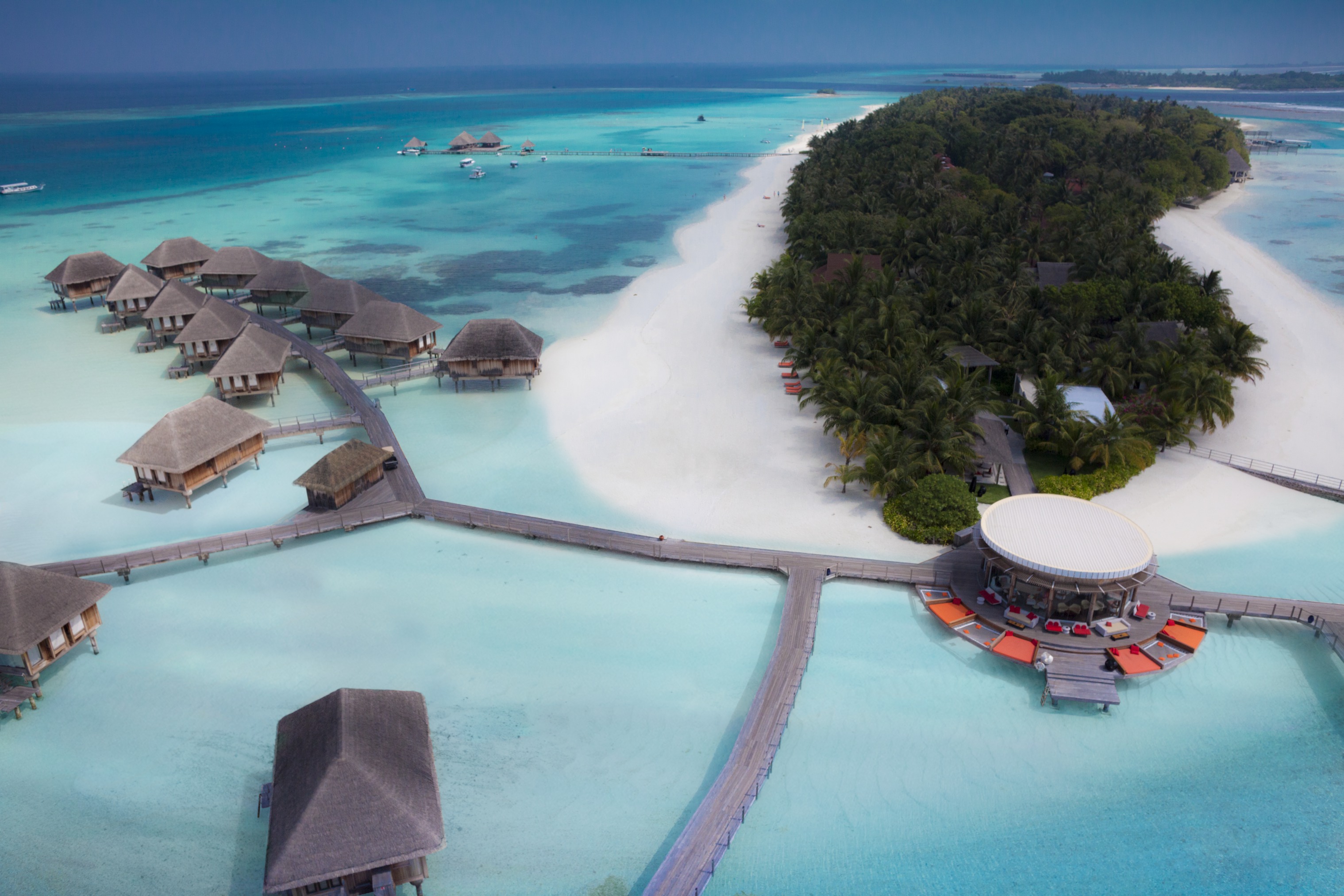
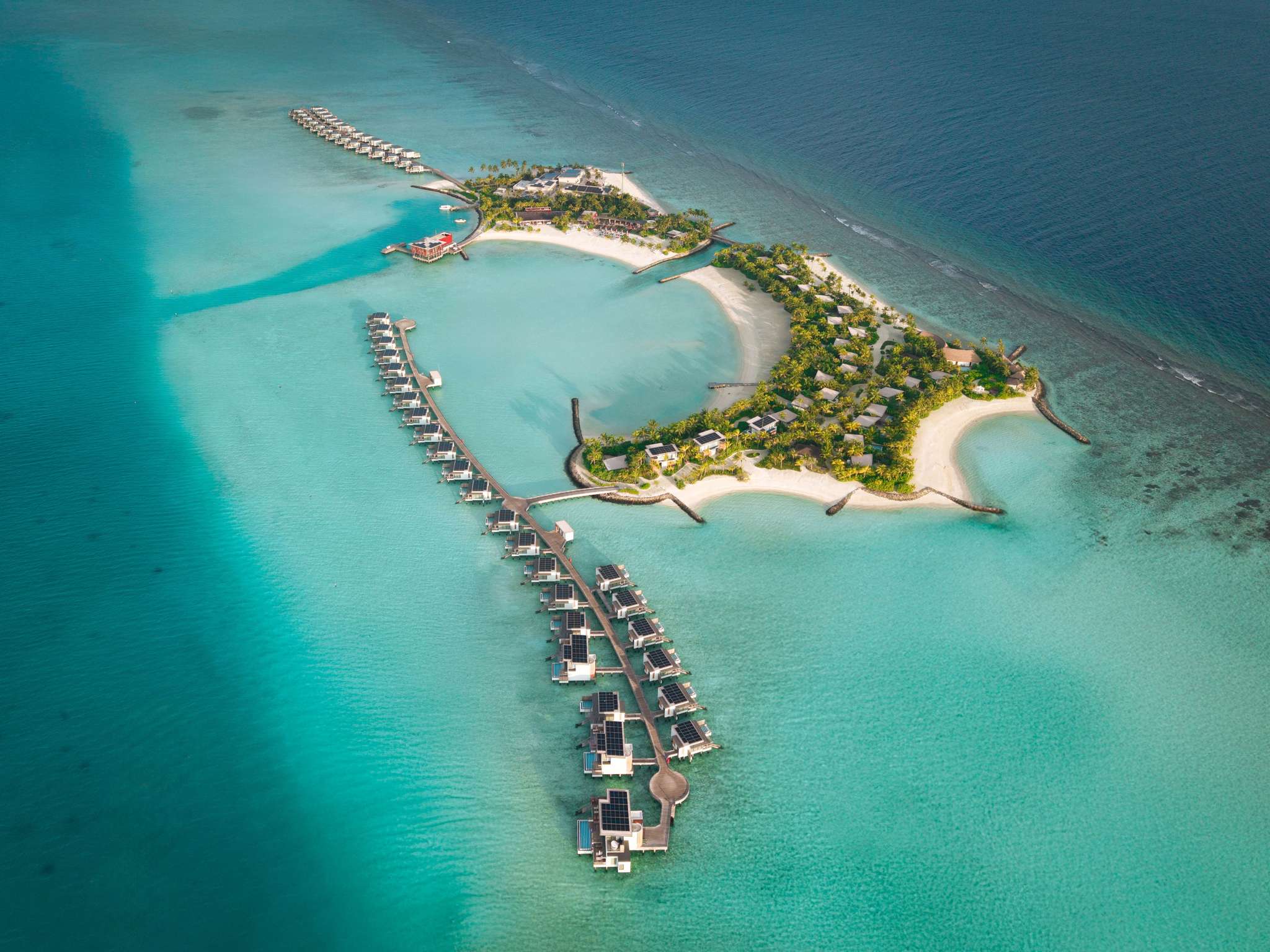
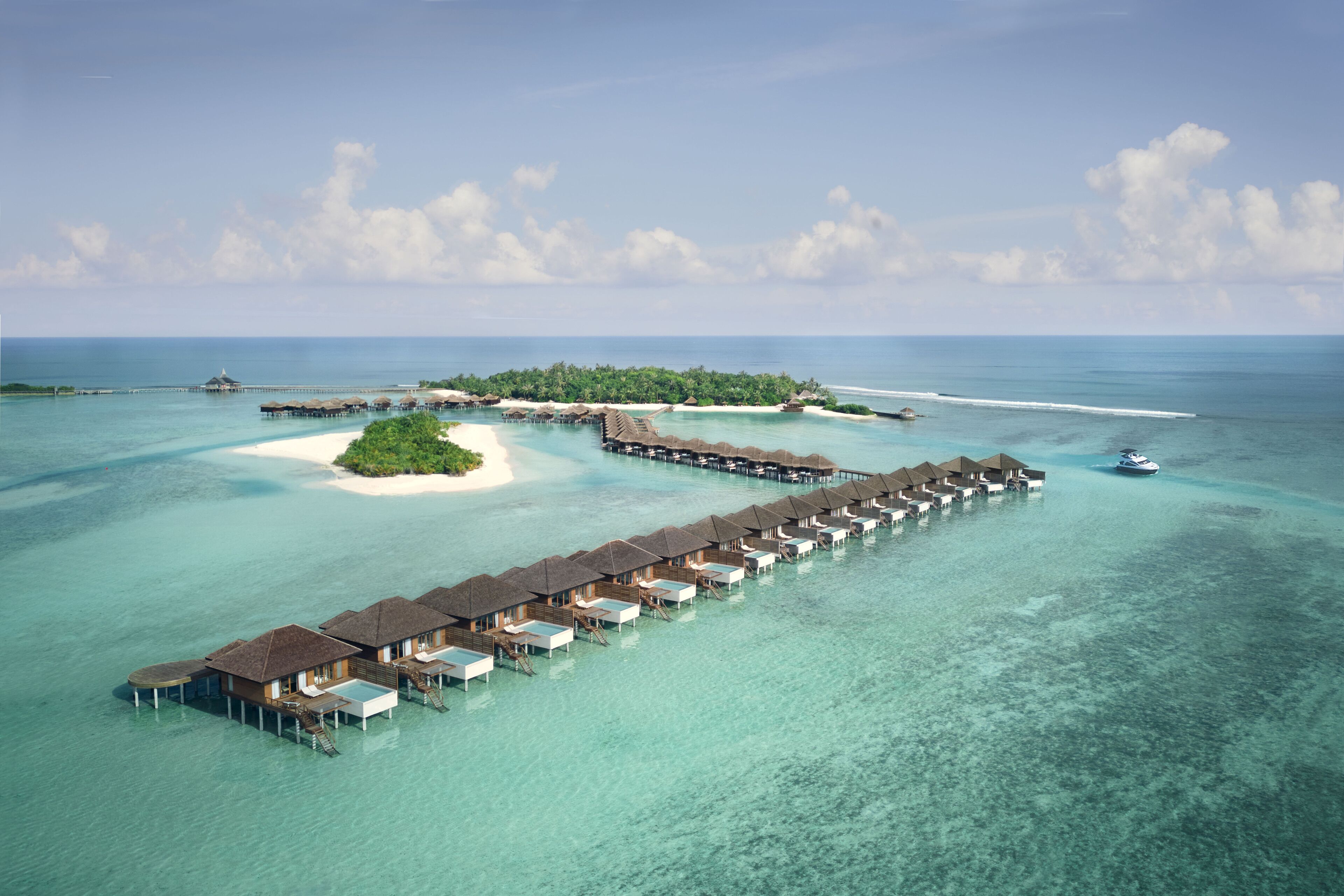
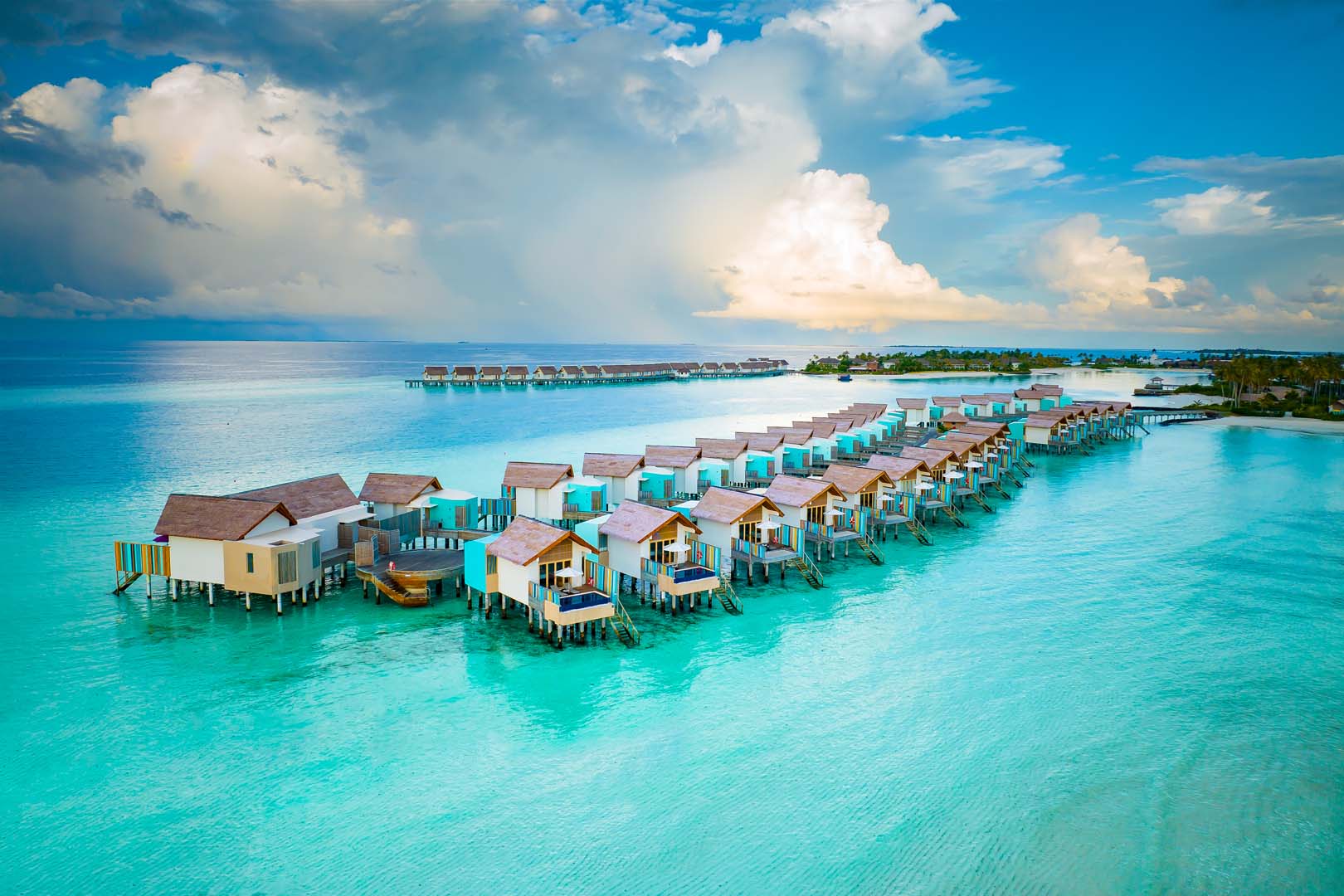
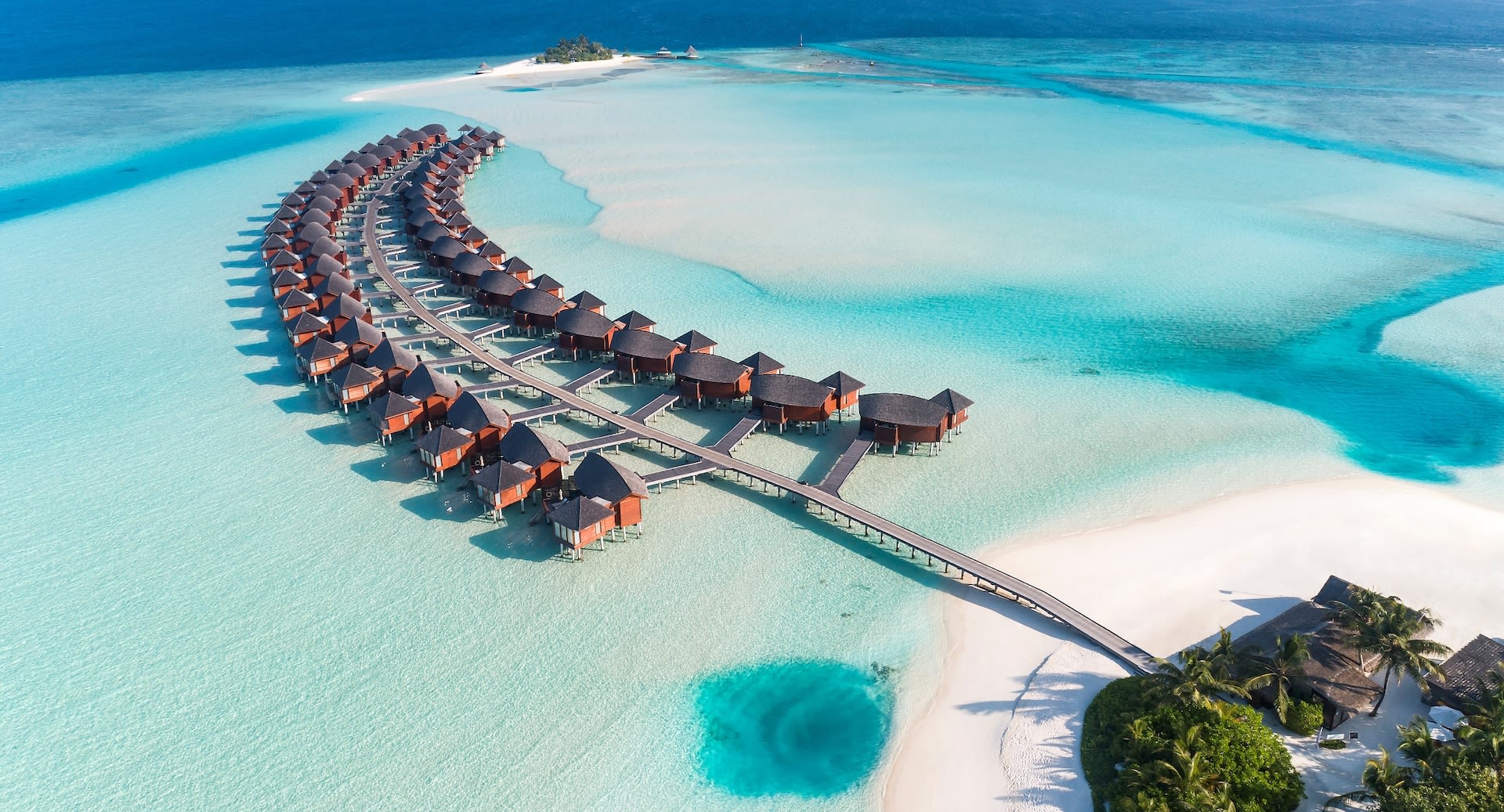
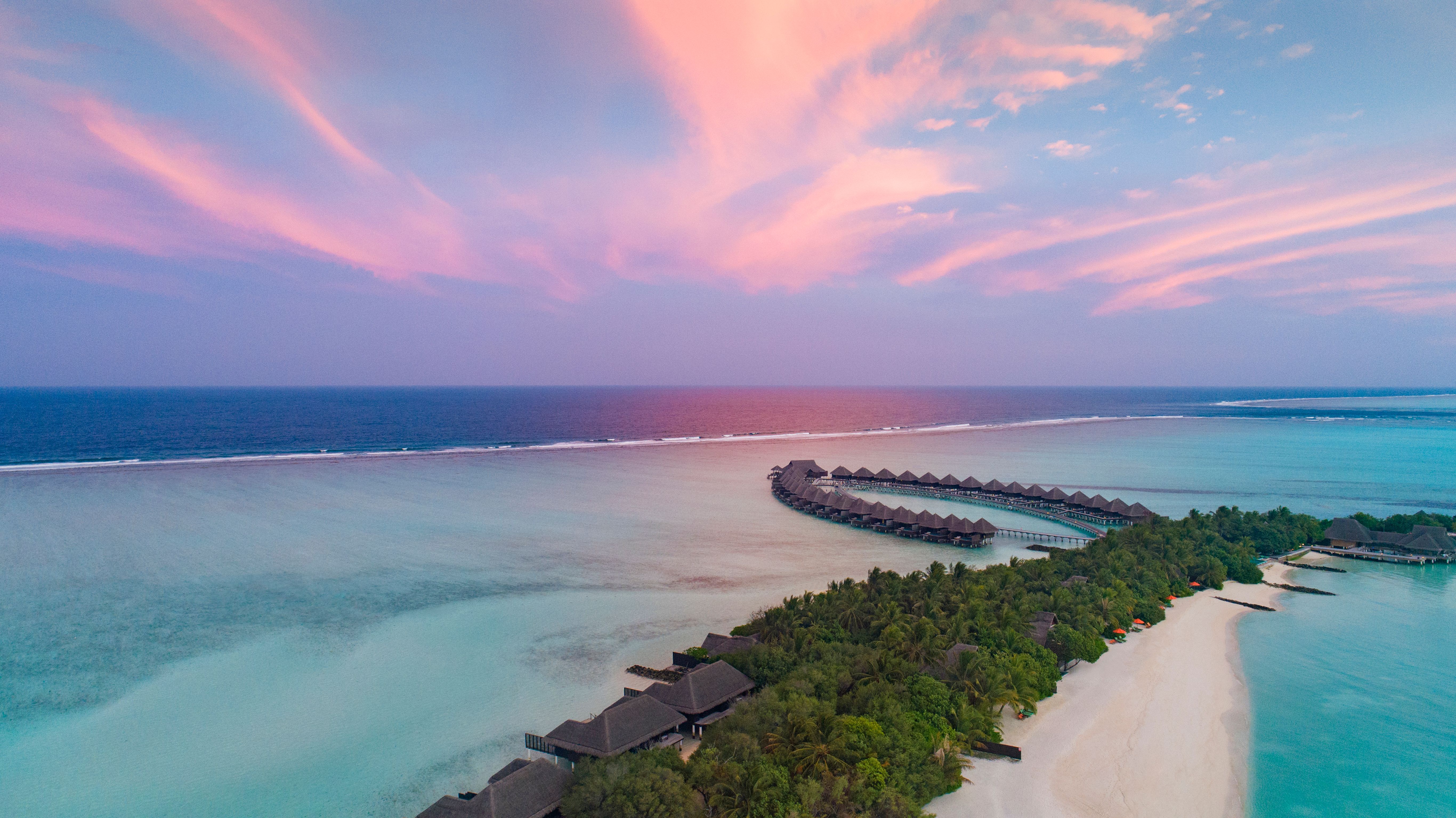
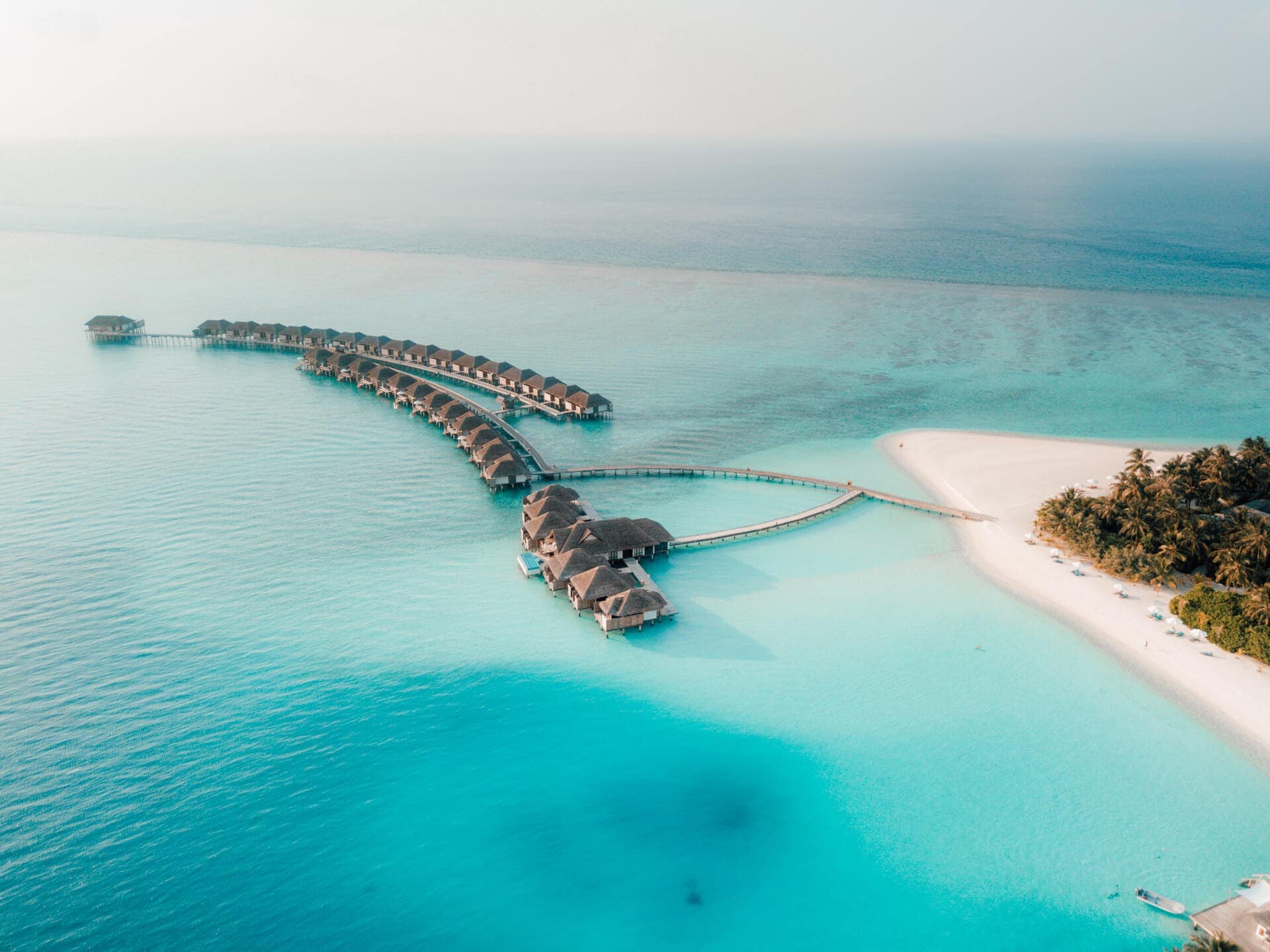
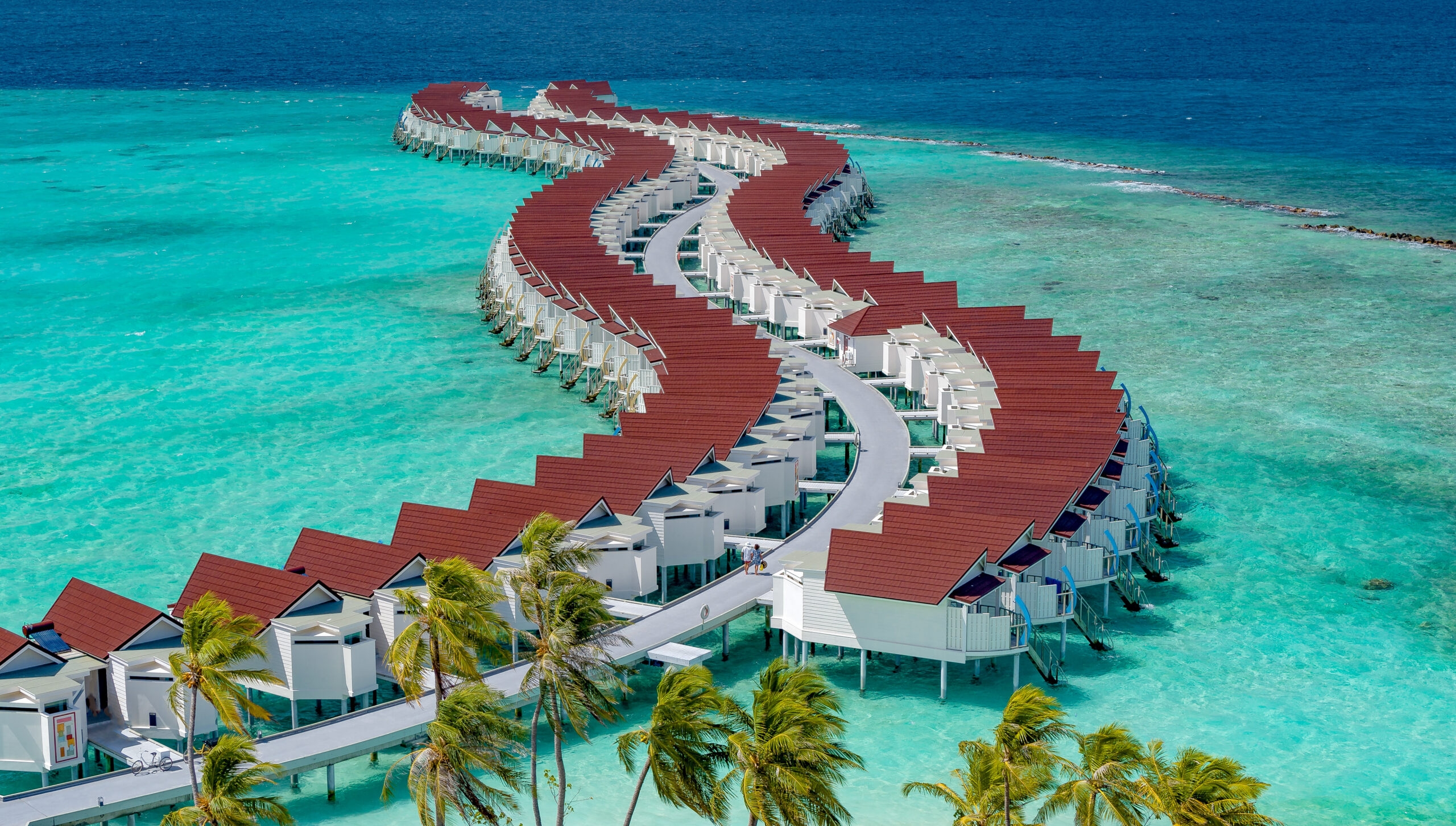
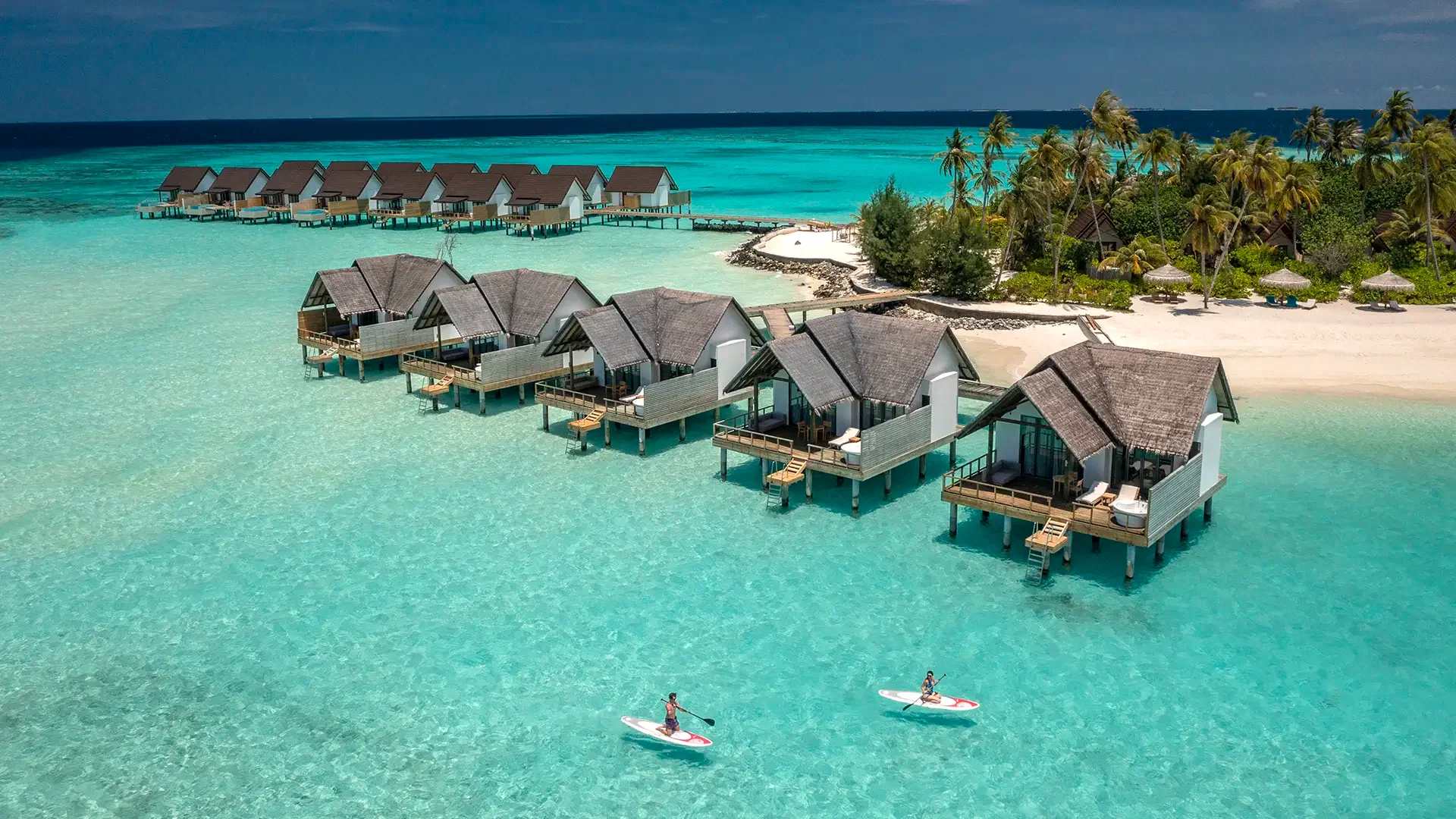
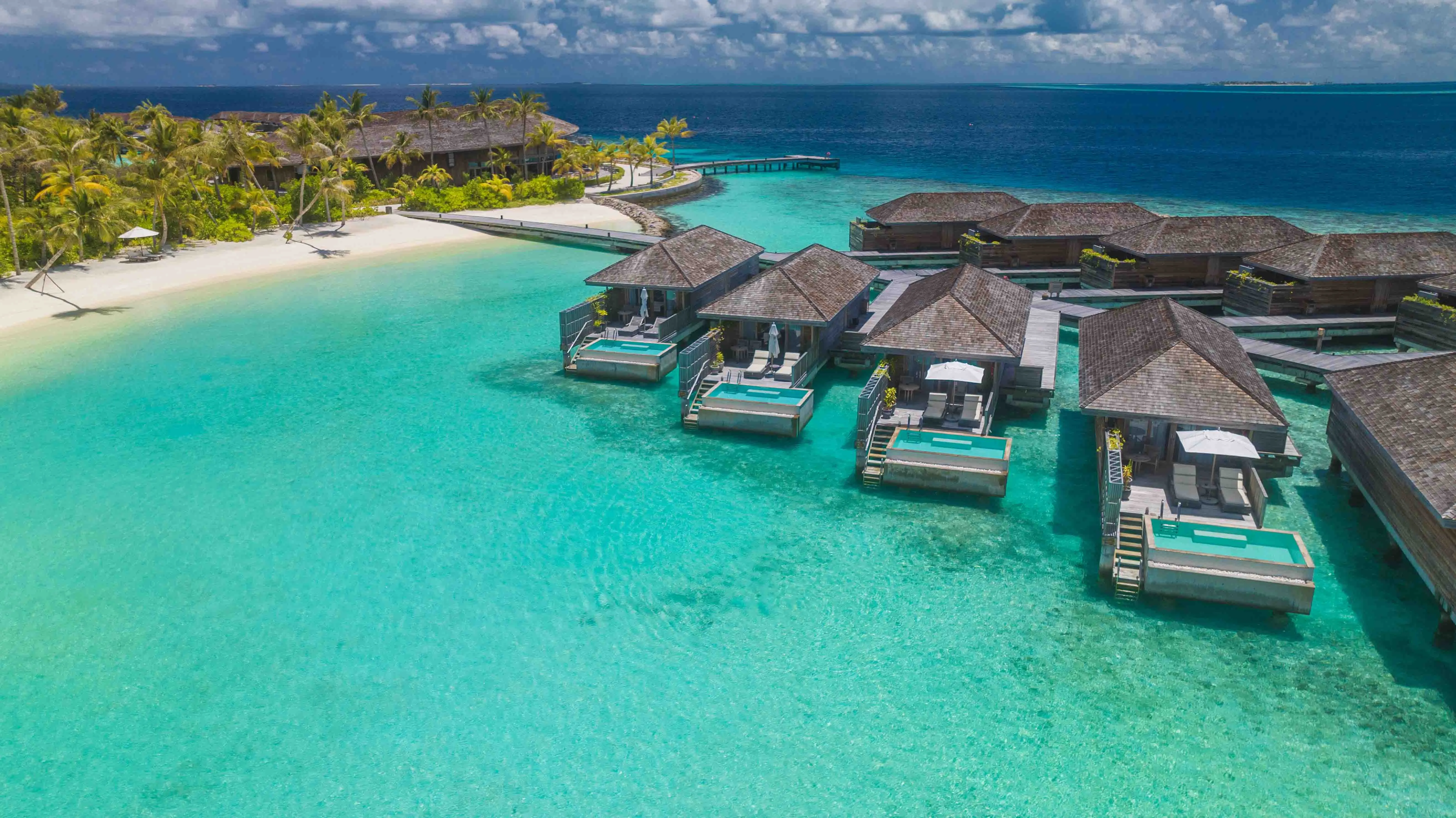
What makes Maldives snorkeling unique is the house reef. Most resort islands are surrounded by their own fringing reef — a living coral ecosystem accessible directly from the beach or your water villa deck. No boat ride, no excursion cost, no schedule. You can snorkel at sunrise, sunset, or anywhere in between. At the best snorkeling Maldives resorts, the house reef alone justifies the trip.
But reef quality varies enormously. Across the 68 resorts we've independently reviewed, Maldives house reef ratings range from 6.5 to 9.2. Some islands have pristine coral with 300+ fish species and resident sharks; others have lagoons with minimal reef life. Location matters — remote atolls like Haa Alifu and Gaafu Alifu tend to have healthier reefs than heavily visited central atolls. This guide helps you find the right reef for your trip.
Rankings
Best Snorkeling in the Maldives — Top House Reefs

Every Maldives house reef is independently assessed. Ratings factor in coral health, fish diversity, access quality, and overall snorkeling experience. These are the top-rated reefs across our reviewed resorts.
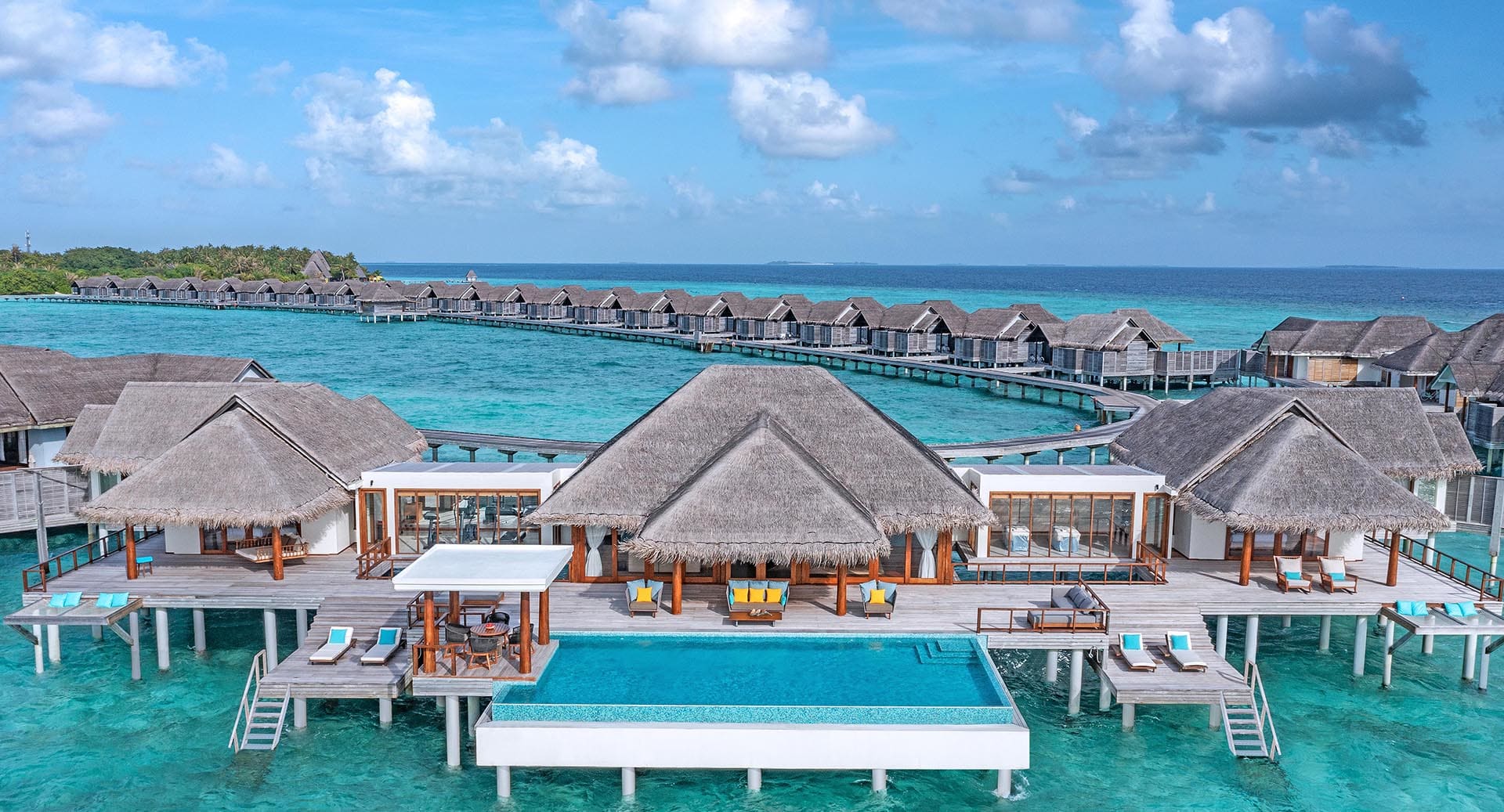
Every house reef rating on this page is based on four factors weighted equally: coral health (coverage, diversity of hard and soft coral, recovery from bleaching), fish diversity (number of species, presence of larger marine life), access quality (shore entry vs. boat, distance from beach, number of entry points), and overall snorkeling experience (visibility, reef structure, unique features like drop-offs or swim-throughs).
Ratings are on a 1–10 scale. We don't accept payment for higher scores, and every rating is updated as resorts and reef conditions change. Here's how the 68 reefs we've reviewed distribute across quality tiers:
Exceptional
9.0+
6
resorts
Excellent
8.0–8.9
15
resorts
Very Good
7.0–7.9
25
resorts
Good
6.0–6.9
11
resorts
Marine Life
Maldives Marine Life — Species Spotting Guide
We track eight key marine species across every resort. Here's how commonly each is spotted at the house reef — not on excursions, but right off the beach or villa deck.
Reef Sharks
68 of 68 resorts (100%)
Tropical Reef Fish
68 of 68 resorts (100%)
Sea Turtles
66 of 68 resorts (97%)
Stingrays
66 of 68 resorts (97%)
Dolphins
66 of 68 resorts (97%)
Octopus
63 of 68 resorts (93%)
Manta Rays
54 of 68 resorts (79%)
Whale Sharks
19 of 68 resorts (28%)
Eagle Rays
16 of 68 resorts (24%)
Napoleon Wrasse
7 of 68 resorts (10%)
Nurse Sharks
7 of 68 resorts (10%)
Maldives Marine Life — Where to Find the Icons
Three species draw more travellers to the Maldives than any other — whale sharks, manta rays, and sea turtles. Here's where and when to find them.
Whale Sharks
Maldives whale sharks are found year-round in South Ari Atoll — the world's most reliable destination for swimming alongside these gentle giants in open water. No scuba needed. Sightings also occur in Baa Atoll and some southern atolls between May and November. 19 of our reviewed resorts report whale shark encounters.
Maldives manta rays congregate at Baa Atoll's Hanifaru Bay — the world's largest known manta ray feeding station, where hundreds gather between June and November. Lhaviyani Atoll's channels also attract regular manta visits. Most encounters are snorkel-friendly in shallow water. 54 of our reviewed resorts report manta ray sightings.
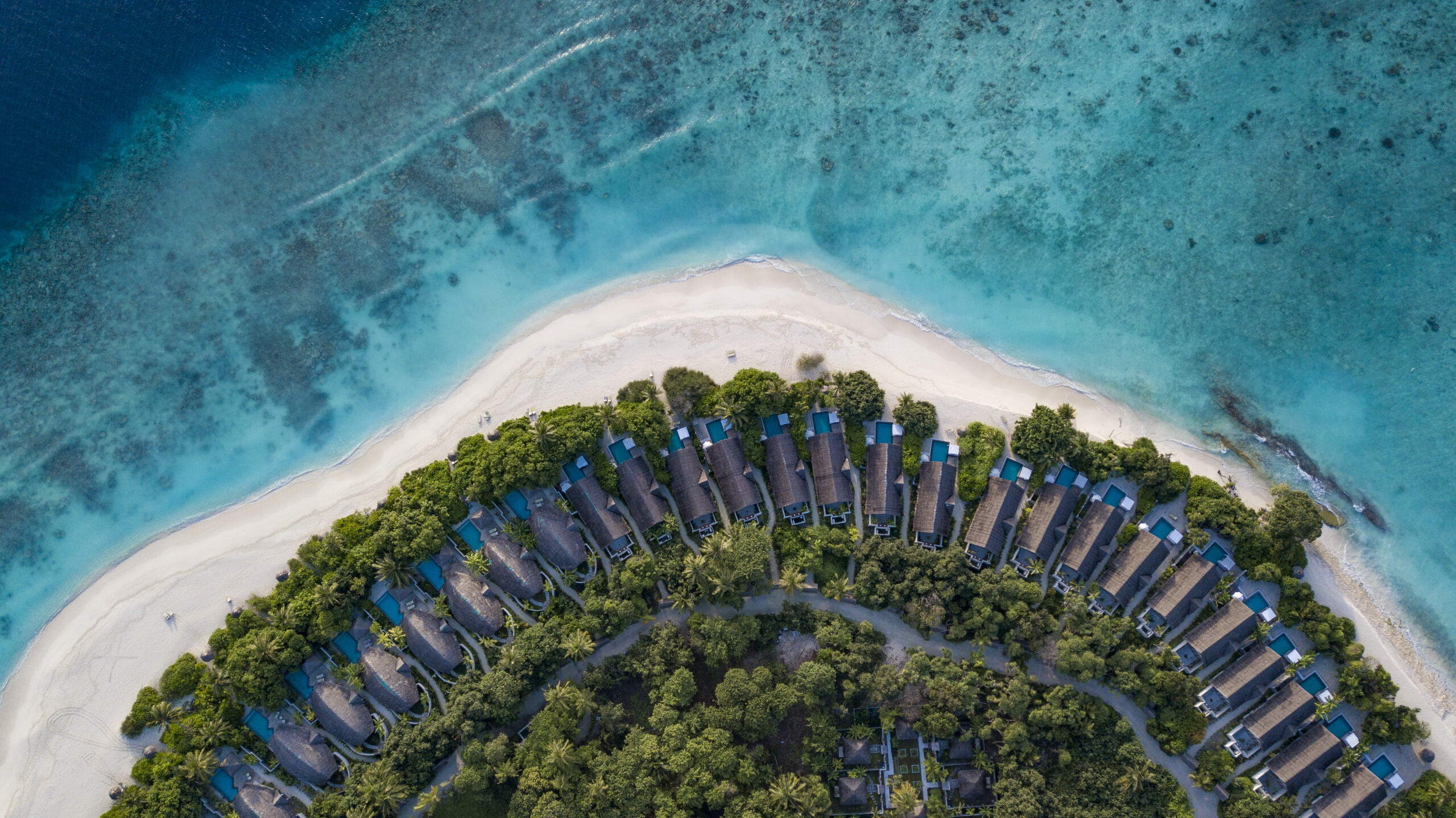
Hawksbill and green turtles are resident throughout the Maldives and are among the most commonly encountered large marine animals on house reefs. Some resorts have individual turtles that snorkelers see on nearly every session. 66 of our reviewed resorts report regular turtle sightings.
Reef Access: Shore Entry, Boat Trips & Night Snorkeling
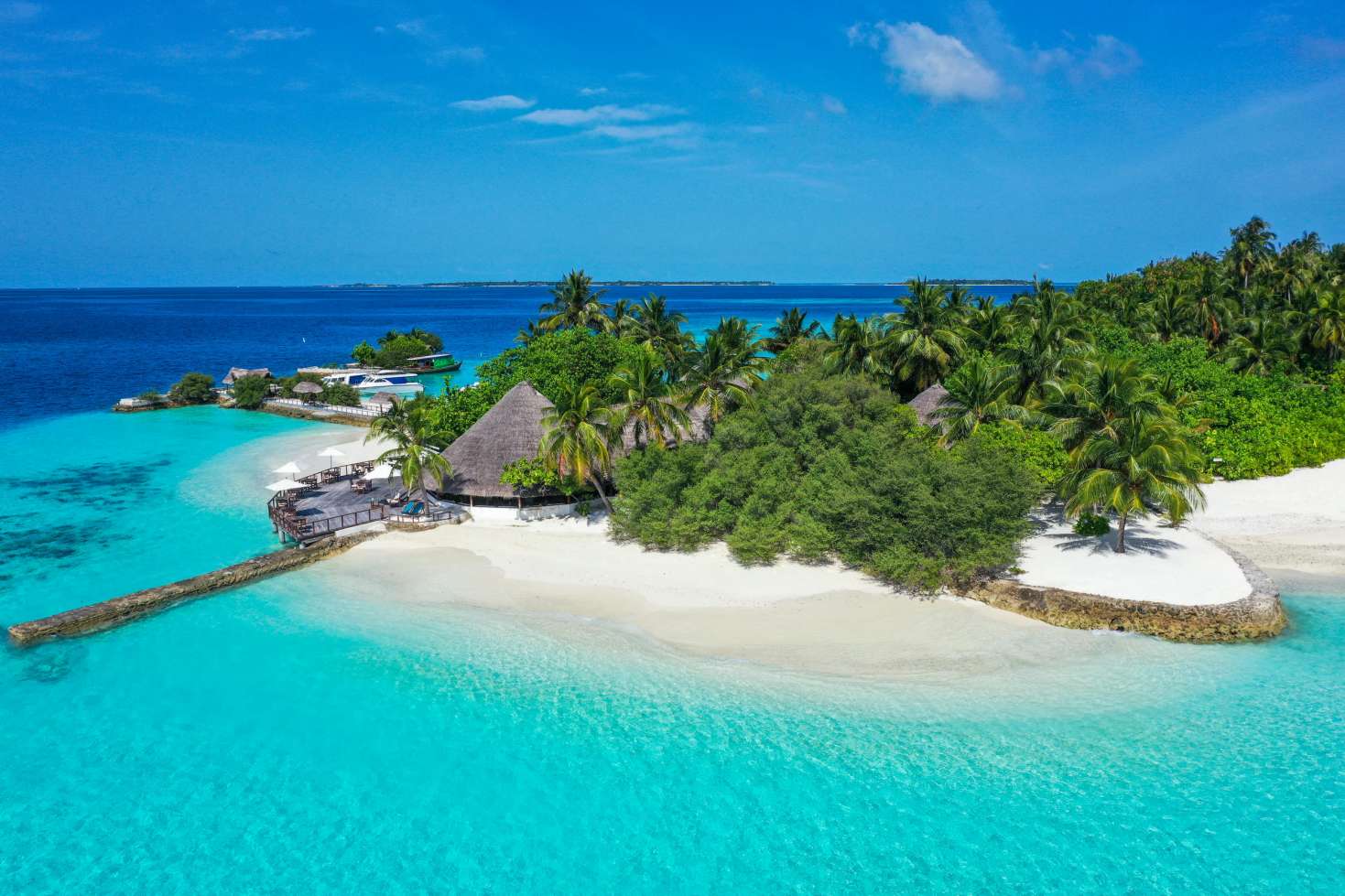
How you access the reef dramatically affects your snorkeling experience. Shore entry means unlimited, anytime snorkeling directly from the beach — you set the schedule. Boat-access reefs require joining a scheduled trip, which limits flexibility. Some resorts offer both, with house reef snorkeling from shore and excursion reefs by boat.
After dark, the reef transforms. Guided night snorkeling reveals sleeping turtles, hunting jackfish, nurse sharks, octopus on the prowl, and — at select resorts — fluorescent reef creatures glowing under UV light. One of the most unique marine experiences in the Maldives.
Reef quality and room rate are poorly correlated. Some of the highest-rated snorkeling Maldives resorts are 4-star properties — proving you don't need an ultra-luxury budget for world-class reef access. Here's how house reef ratings stack up across price ranges.
Reef quality varies dramatically by location. Remote atolls tend to have healthier coral and more fish diversity, while central atolls offer easier access from Malé. Here's how each atoll stacks up based on the resorts we've reviewed.
North Ari Atoll
Avg. reef rating: 8.7/10
Hammerhead sharks, manta rays, and legendary night dives at Maya Thila.
Many Maldives resorts actively invest in reef health — from coral planting and marine research to partnerships with organisations like the Manta Trust. For travellers who want their holiday to contribute positively, these resorts offer hands-on conservation experiences alongside world-class snorkeling.
Can you snorkel from the beach at every Maldives resort?
No. Of the 68 snorkeling Maldives resorts we've reviewed, 54 offer direct shore or beach entry to the house reef. Others require a short boat trip to reach the best snorkeling spots. Shore entry means unlimited, anytime access — a significant advantage if snorkeling is a priority.
Do you need to be a strong swimmer to snorkel in the Maldives?
Not necessarily. Many resorts have shallow lagoons and calm inner reef areas suitable for beginners. Resorts with marked snorkel trails and guided tours are ideal for less confident swimmers. Life jackets are provided at every resort. That said, reef drop-offs and channels can have currents — guided sessions are recommended for those areas.
Where is the best snorkeling in the Maldives?
The best snorkeling in the Maldives is found at resorts with top-rated house reefs — particularly in remote atolls like Haa Alifu, Gaafu Alifu, and Baa Atoll. South Ari Atoll is unmatched for whale shark encounters, while Baa Atoll draws manta rays to Hanifaru Bay. Water temperatures of 27–30°C and visibility exceeding 30 metres make the Maldives snorkeable year-round, with the dry season (December–April) offering the clearest conditions.
Is the coral in the Maldives healthy?
Recovery varies by location. Some reefs have bounced back strongly from past bleaching events — our top-rated reefs (9.0+) show excellent coral health with active regeneration. Remote atolls like Haa Alifu and Gaafu Alifu tend to have healthier reef systems due to less human traffic. Several resorts run active coral planting and restoration programmes you can participate in.
Can you see whale sharks in the Maldives?
Yes — the Maldives whale sharks are most reliably found in South Ari Atoll, the world's top year-round destination for whale shark encounters. Excursion boats take you to the Maamigili Marine Protected Area where you snorkel alongside them in the open water. No scuba required. Baa Atoll and some southern atolls also have seasonal sightings, primarily between May and November.
Where can you swim with manta rays in the Maldives?
Maldives manta rays are best seen at Baa Atoll's Hanifaru Bay — the world's largest known manta ray feeding station, where hundreds gather between June and November. Lhaviyani Atoll's channels also attract regular manta visits. Most encounters are snorkel-friendly in shallow water, and many resorts in these atolls run guided manta ray excursions.
What is the difference between snorkeling and diving in the Maldives?
Snorkeling lets you explore the top few metres of the reef from the surface — ideal for house reefs, lagoons, and many marine life encounters. Scuba diving opens up deeper sites, channels, and wreck dives. Many of the Maldives' most iconic experiences — whale sharks, manta rays, turtle encounters, reef sharks — are fully accessible to snorkelers.
What is a Maldives house reef?
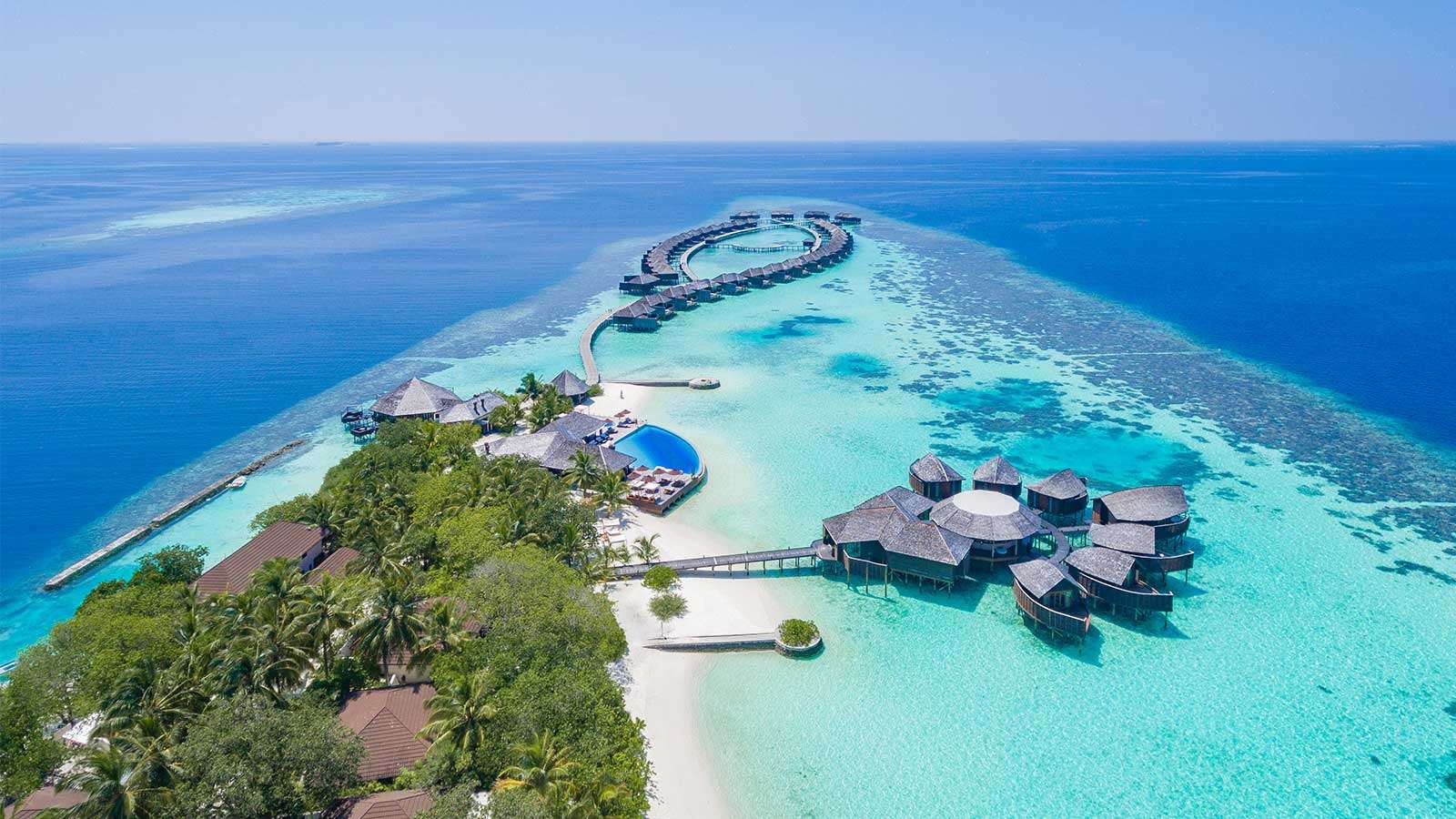
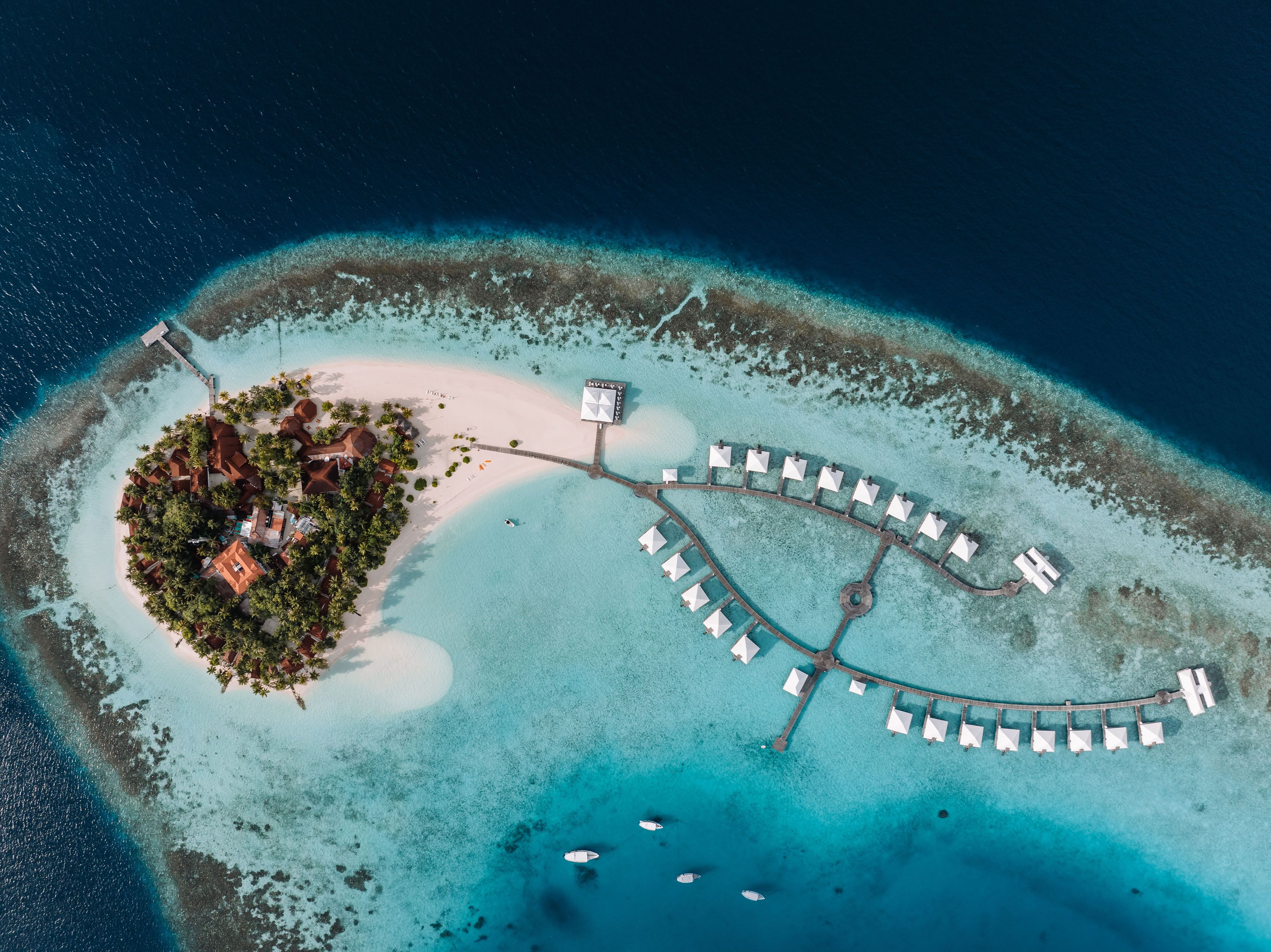
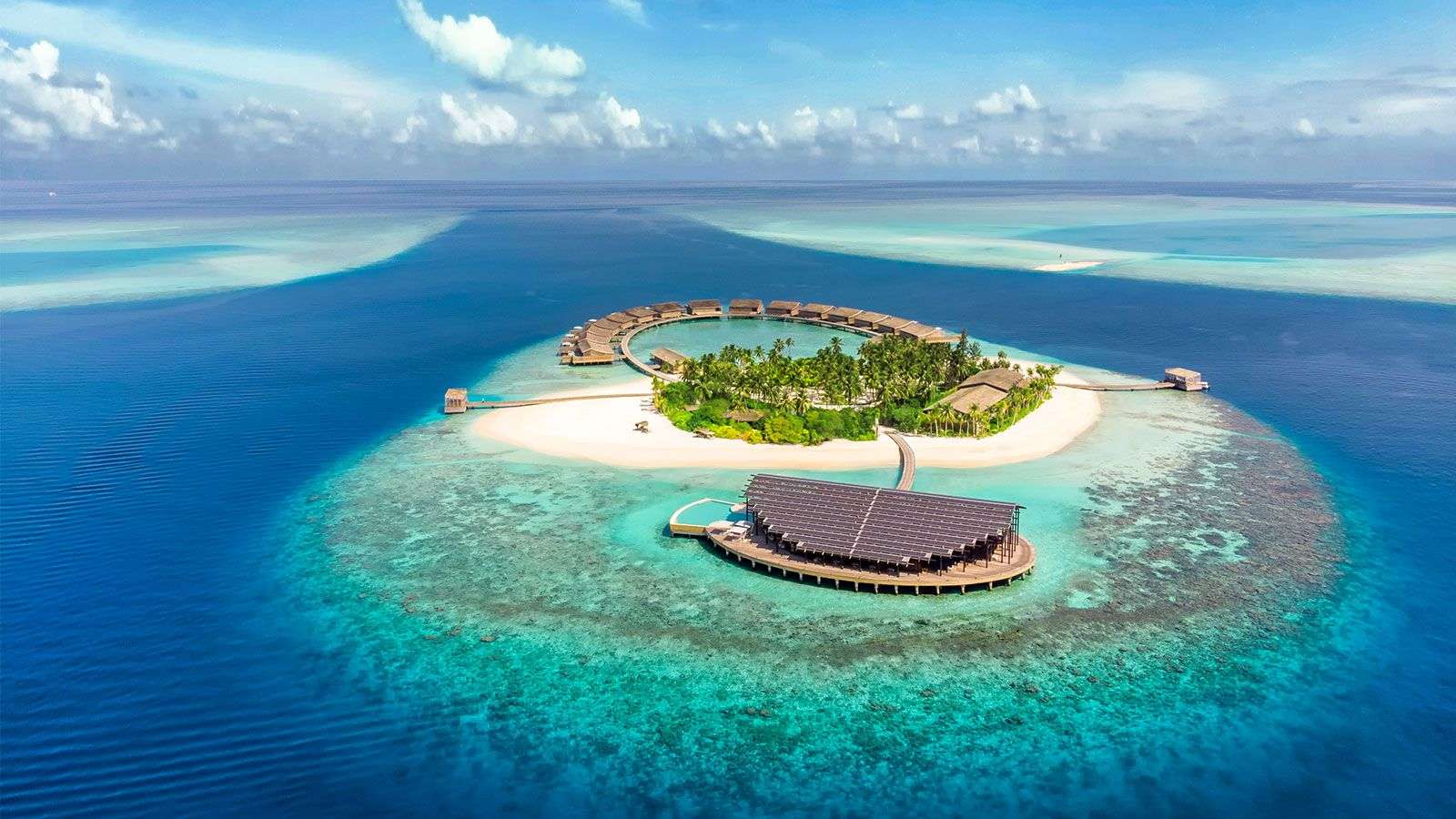
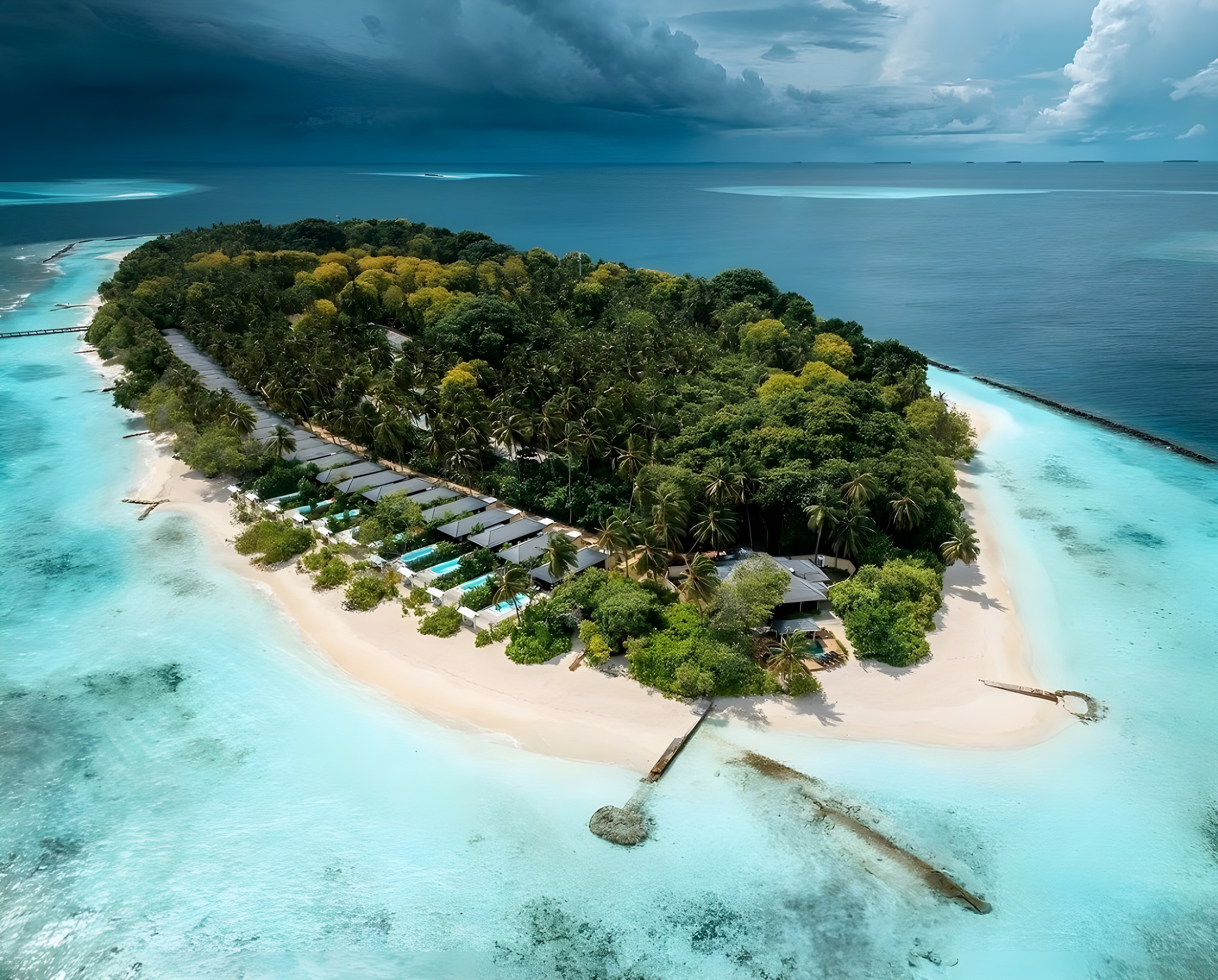
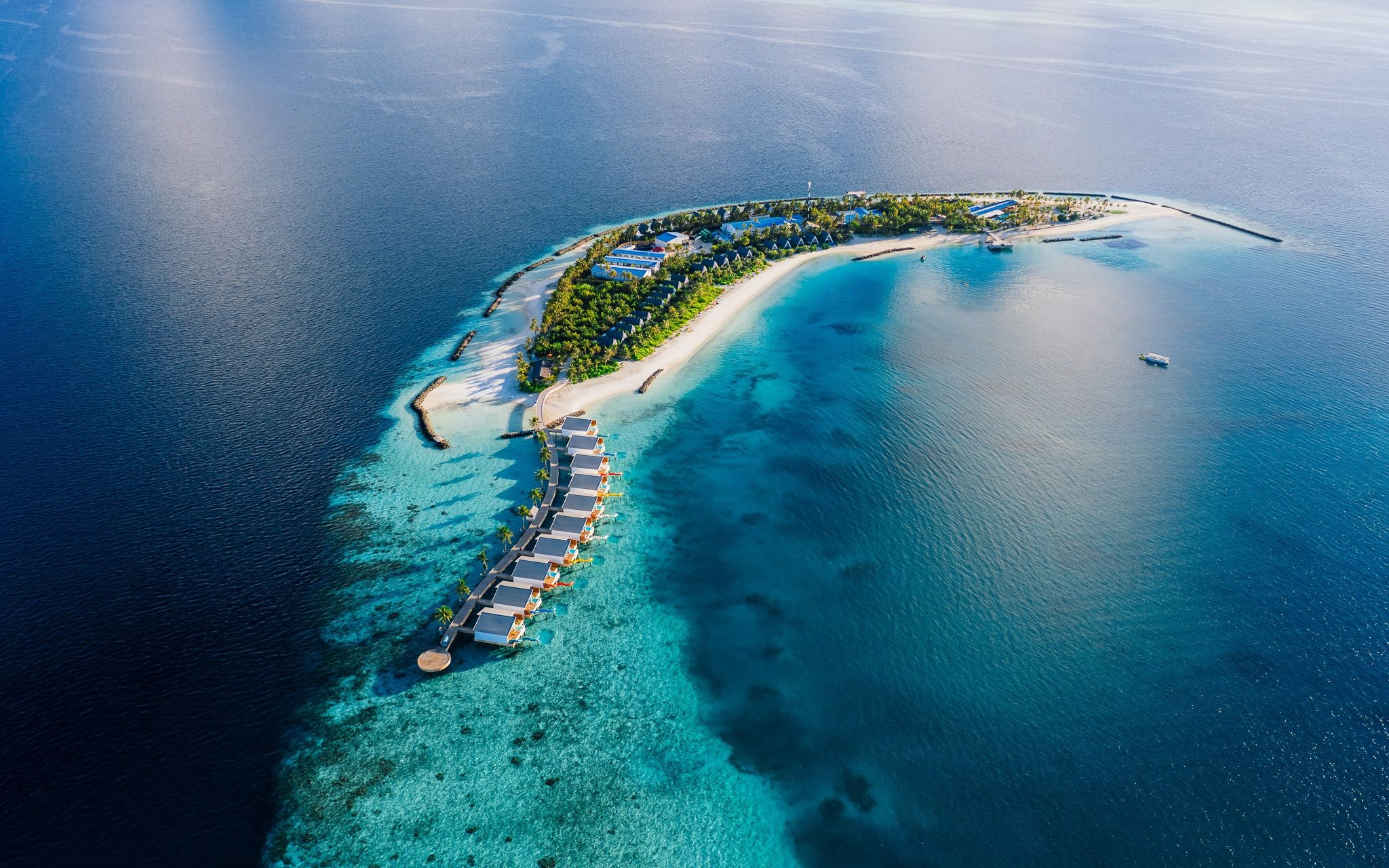
A Maldives house reef is the fringing coral reef that surrounds a resort island, accessible directly from the beach or water villa deck without a boat. House reefs vary enormously in quality — the best offer pristine coral, resident sharks, turtles, and hundreds of fish species just steps from your room. Shore-entry house reefs give you unlimited, anytime snorkeling with no excursion costs.
What about night snorkeling?
Around 17 of the resorts we review offer guided night snorkeling. Expect to see sleeping turtles, hunting jackfish, nurse sharks, and octopus on the prowl. Some resorts offer fluorescent (UV light) snorkeling where reef creatures glow vivid colours. It is one of the most unique marine experiences in the Maldives.
Do I need to bring my own snorkel equipment?
Every resort provides complimentary masks, snorkels, and fins. Quality varies — if you are particular about mask fit or want prescription lenses, bring your own. Reef shoes are worth packing for shore entries over coral rubble. Reef-safe sunscreen (SPF 50+) is essential and increasingly required by resorts to protect the coral.
Looking for the perfect reef?
Tell us what marine life matters most and we'll match you with the right resort — including exclusive packages.