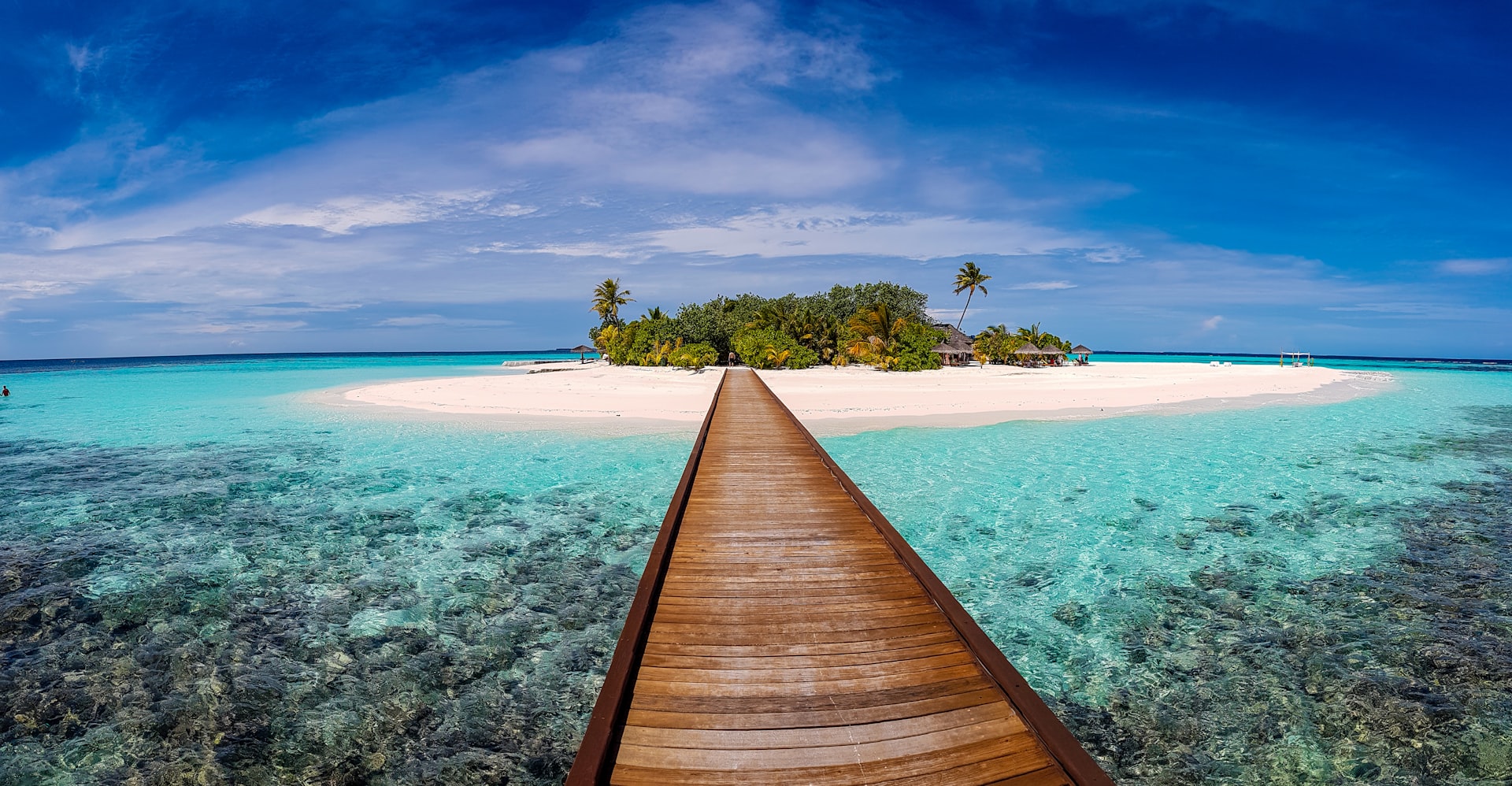
The Maldives is one of the safest beach destinations in the world for the typical traveller — and the honest reason is structural, not luck. Almost every resort sits on its own private island, reached only by speedboat or seaplane, with vetted staff and controlled access. That "one island, one resort" model physically walls the visitor off from the few genuine problems the country does have. Understand that, and the question "is the Maldives safe?" mostly answers itself — with a handful of real caveats that are worth knowing.
Crime, politics and terrorism
Crime is low. Violent crime is rare, and the main issue is petty theft — mostly phones — in the crowded parts of the capital, Malé, not on the resorts, where even the US government describes crime as "rare." The political instability the Maldives is known for — a contested 2012 resignation, a 2015 jailing, a 2018 state of emergency — has played out in Malé and stayed entirely off the tourist islands. There is a genuine radicalisation problem in the background, which is why the US, UK and Australia all note a terrorism risk — the US State Department keeps the Maldives at Level 2, "Exercise Increased Caution," and Australia asks visitors to "exercise a high degree of caution." But over nearly two decades the only tourist-directed incidents were minor and non-fatal: a 2007 nail-bomb in a Malé park that injured twelve, and a 2020 stabbing that wounded three. Tellingly, none of those three governments' advisories tell you not to go.
The real dangers aren't crime or terror — they're the current, the remoteness of a hospital, and the law once you leave the resort.
The risks that actually matter
The genuine hazards are different in character. The first is the water: the Maldives' famous channel dives run in strong current, and drowning — not sharks — is the real risk (there has never been a recorded shark attack here). Dive channel sites only with a guide, respect weather warnings, and don't overestimate your level; a 2026 cave dive killed five experienced divers. The transfers themselves — speedboat or seaplane — are professionally run with licensed crews, but the under-discussed hazard is the water around a moving boat: propeller strikes have killed snorkellers at busy excursion sites like the South Ari whale-shark zone, so wear the life jacket, stay inside the marked swim areas and follow the crew when boats are about. The second is remoteness: serious hospitals and decompression chambers are mostly clustered around Malé, sometimes hours from your resort, so travel insurance that explicitly covers medical evacuation is not optional, and divers should add dive-specific cover. The third is simply the law once you step off the resort: drug laws are strict (airport scanners catch trace amounts), and a conservative legal culture applies on local islands — including, stated plainly, that same-sex relations are illegal, though enforcement against tourists is effectively unheard of and resorts welcome all couples.
Who it suits
For honeymooners, families, divers, and solo and female travellers, the resort-island model does the safety work for you: on your island you can wear what you like, drink at the bar and move freely, and the risk is minimal. The adjustments are small and only apply when you leave the bubble — dress modestly on local islands and in Malé, leave the alcohol on the resort, and watch your phone in the capital and on ferries. Buy proper insurance, dive within your limits, and the honest verdict is reassuring: this is about as low-hassle as a long-haul beach trip gets.
Sorting out the practicalities? Our Maldives trip-planning guide covers insurance, transfers, local-island etiquette and the rest of what's worth knowing before you fly.