The food on a Maldivian resort island is, almost by design, not Maldivian. The buffets are international — a circuit of pasta stations, sushi counters and curries calibrated for a global guest list — and the one window onto the country's own cooking is usually a weekly "Maldivian night." Which is a shame, because the real thing is one of the most distinctive small cuisines in Asia, and it can be summarised in three words: tuna, coconut, chilli.
That economy is geography made edible. The Maldives is 1,200 low coral islands with almost no soil to farm, set in some of the richest tuna water on Earth. With little land for vegetables or fruit, the diet leaned on what the sea and the coconut palm could provide — and on the islanders' genius for preserving both before they spoiled in the heat.
Start with breakfast: mas huni
If you eat one Maldivian dish, make it mas huni — the national breakfast, and the country's whole larder in a bowl. Smoked, dried tuna is shredded fine and worked by hand into freshly grated coconut with chopped onion, chilli, lime and salt; mas means fish, huni means coconut, and the name is the recipe. It is scooped up with roshi, a thin unleavened flatbread cooked dry on a griddle, and washed down with sweet black tea. It costs a couple of dollars at a local café and three or four times that at a resort, and the cheaper version is invariably better.
Mas huni is also a preservation dish wearing a breakfast disguise. It was built around valhoamas — "Maldive fish," tuna that has been boiled, smoked and sun-dried until it is as hard as wood — because fresh fish didn't keep and fresh vegetables barely existed. (Today many cooks reach for a tin of tuna instead; convenient, but not the original.) That same cured fish was the Maldives' great export for centuries, traded to Sri Lanka, where it flavours coconut sambol under the name umbalakada — a Maldivian product more famous abroad than most visitors realise.
The dish that is really the national dish
Ask which dish is most Maldivian and you will get two answers. Mas huni owns the breakfast table, but the everyday soul of the cuisine is garudhiya — a clear tuna broth, little more than skipjack simmered in salted water with onion, curry leaves and chilli, then ladled over rice with lime and more chilli on the side. It is thrift turned into comfort: a way to use the whole fish, heads and tails included. Cook a pot of garudhiya down for days and the liquid reduces to rihaakuru, a thick brown-black tuna paste — intensely savoury, faintly molasses-like, more than half pure protein — that sits on nearly every Maldivian table as the condiment everything else is measured against.
For dinner the broth gives way to a curry. Mas riha is the workaday version — tuna simmered with onion, garlic, ginger and curry leaves, then loosened with coconut milk into something richer and bolder than garudhiya — and it is eaten the obvious way, spooned over rice with roshi to mop the plate. It is the meal most Maldivian households actually sit down to, and the one a resort buffet is least likely to get right. If anyone offers you bondibai afterwards — a sweet coconut-milk rice pudding kept for Eid and other good days — say yes.
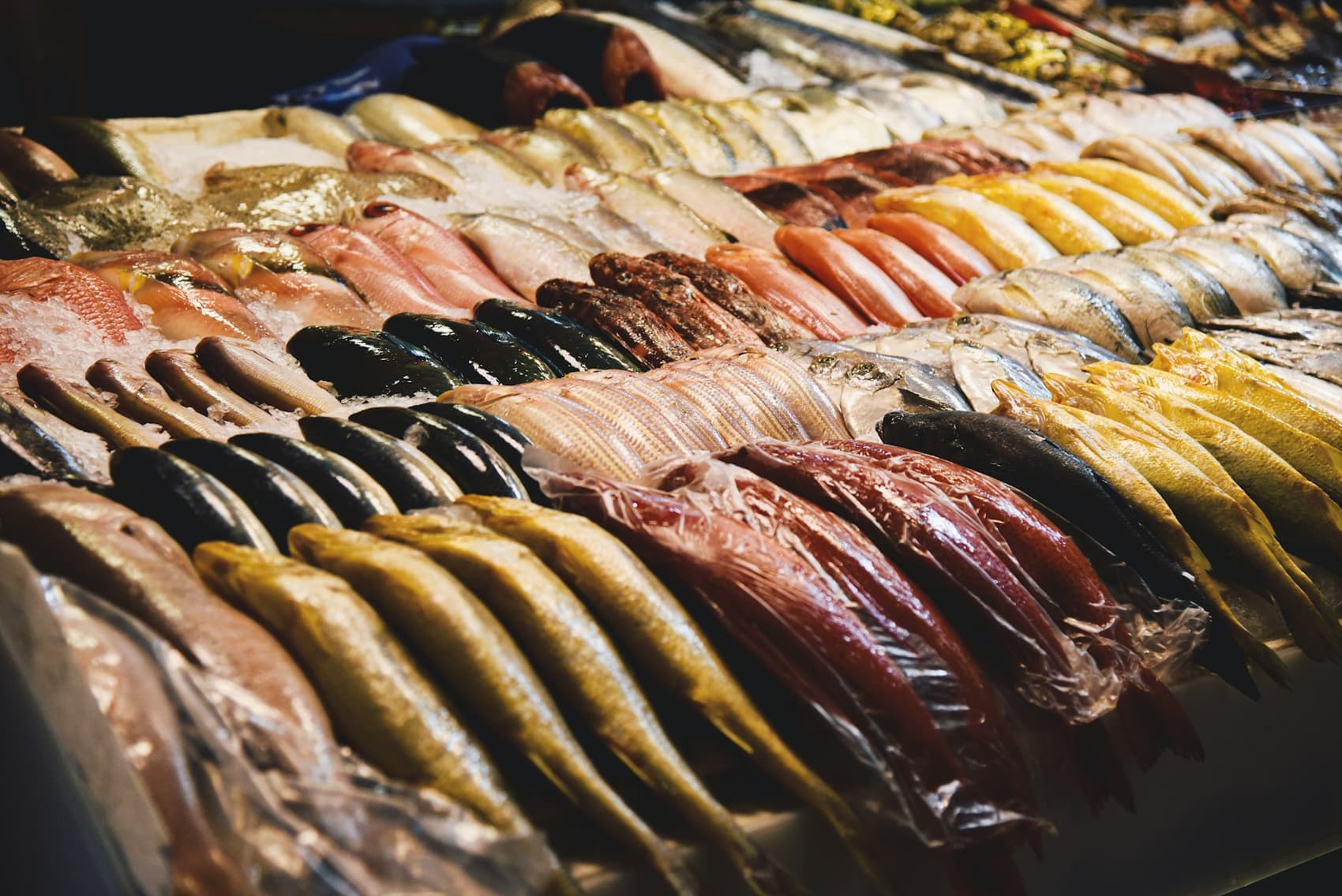
The cuisine can be summarised in three words: tuna, coconut, chilli — and the tuna is caught one fish at a time.
Tea time, and the short eats
The best entry point for a visitor is the late-afternoon ritual of sai — tea, taken around four o'clock at any island teashop (a hotaa). Out comes the tray of hedhikaa, the "short eats": gulha, dough balls stuffed with tuna and coconut; bajiya, a samosa's Maldivian cousin; masroshi, flatbread folded around the smoky tuna-coconut mix; kulhi boakibaa, a dense, spicy baked fish cake; keemiya, fried rolls of tuna and green peas. You point, you pay a few rufiyaa, you eat far too many. It is the most sociable meal in the country and the easiest one for an outsider to join.
How to actually find it — and one thing worth knowing
Real Maldivian food lives on the inhabited "local" islands, in guesthouses and teashops, not on the resorts — so a half-day local-island excursion, or a few nights in a guesthouse, is the way in. These islands are Muslim and conservative: no alcohol is sold (that's a resort-only thing), dress modestly away from the beach, and ask before you photograph someone's kitchen. If you never leave the resort, you are not quite stuck: most kitchens will make a proper mas huni or garudhiya if you ask the day before rather than waiting for the buffet to do it for you, and the weekly Maldivian Night — often a Friday, sometimes with Boduberu drumming — is the one evening worth planning your week around. The one ethical bright spot on the menu is the tuna itself. The Maldives catches almost all of its skipjack the old way — one fish at a time, on a barbless pole-and-line hook — a method so low in bycatch that it is among the most sustainable major tuna fisheries on the planet, and one that still employs something like a tenth of the workforce. Eating the local fish, in other words, is the rare holiday indulgence you can feel good about.
Building an itinerary that mixes resort comfort with a taste of the real thing? Our Maldives trip-planning guide covers local-island excursions, guesthouse stays and how to combine the two.