The first thing that surprises people about swimming beside a whale shark is how unbothered it is. You are finning as hard as you can to keep pace with something the length of a bus, lungs burning, and the animal is barely working — a slow sweep of the tail, an eye the size of a golf ball rolling once in your direction, and then it is pulling away without apparent effort. The second surprise, in South Ari Atoll, is that you can do this in February as easily as in August. Almost nowhere else on Earth can say the same.
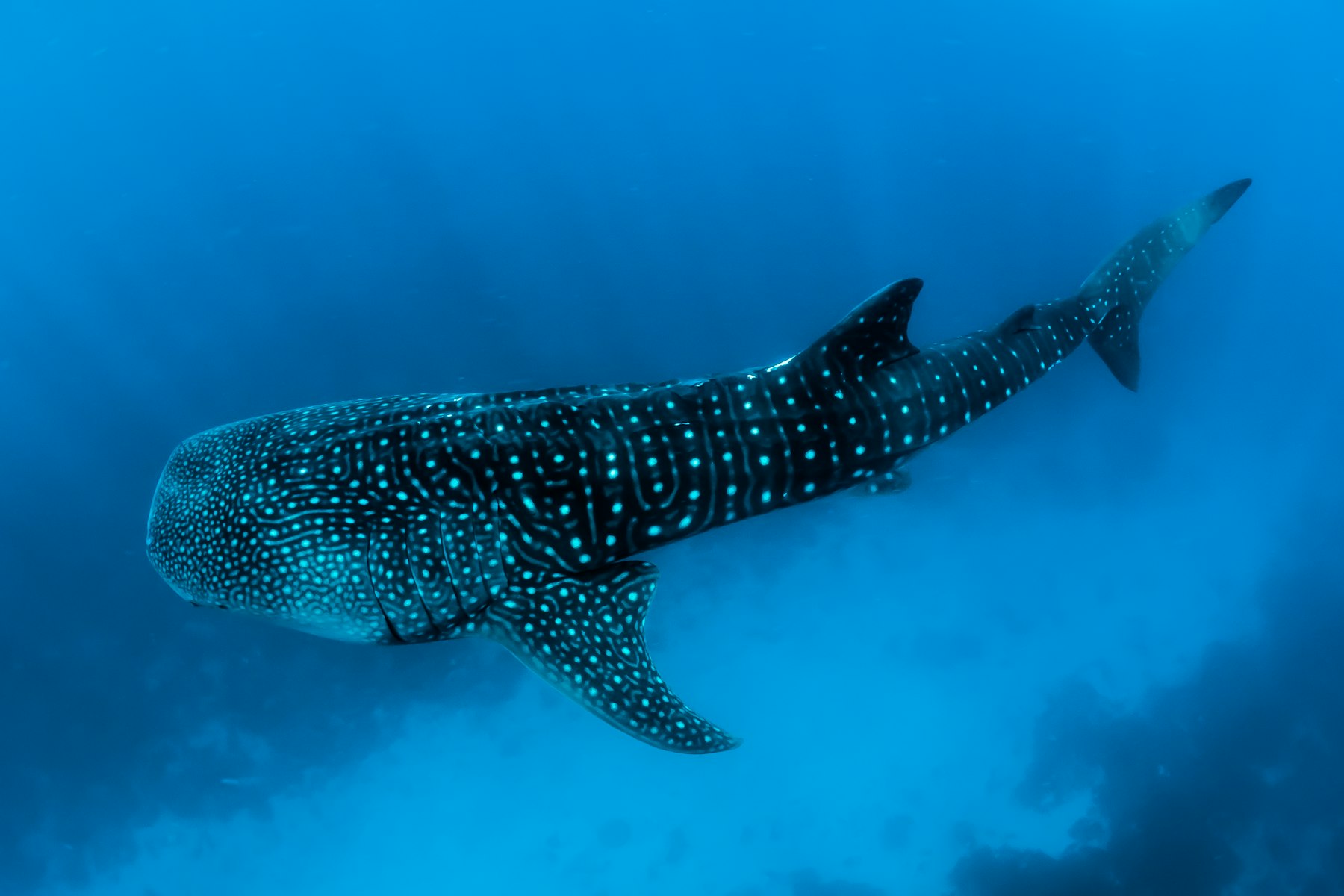
Whale sharks — Rhincodon typus, the largest fish in the sea, reaching perhaps eighteen metres and entirely harmless to a swimmer — are usually a seasonal proposition. They gather where and when plankton blooms, then scatter across whole oceans. South Ari broke that pattern, and understanding why is the difference between booking a trip and gambling on one.
A reef that keeps them home
Run a line along the southern outer reef of South Ari Atoll — past the islands of Maamigili, Dhigurah and Dhidhdhoofinolhu — and you are tracing the South Ari Marine Protected Area, a roughly 42-kilometre strip of drop-off the Maldives protected on World Environment Day in 2009. It is one of a tiny handful of places worldwide where whale sharks are not seasonal visitors but effectively resident, and two separate long-term studies have found no seasonality at all in how many individuals are around in a given month.
The animals here are strikingly uniform: overwhelmingly juveniles, and more than nine in ten of them young males, averaging about five metres — well short of the eight or nine at which a male matures. That demographic fingerprint is why scientists call the reef a developmental habitat, or secondary nursery: somewhere young sharks use for a particular growth window before dispersing into the open ocean. The leading explanation for why they linger pairs food with warmth. The drop-off lifts cool, plankton-rich water up against the reef in a predictable feeding line — and, more unusually, gives the sharks somewhere to recover. Whale sharks dive thousands of feet to feed, into water only a few degrees above freezing; South Ari's sun-warmed shallows are an ideal place to rewarm between descents. Reliable food plus a thermal recharge means a growing shark has little reason to leave.
They patrol the drop-off rather than migrating through it — which is why the sightings hold up in February as well as August.
What the encounter actually looks like
This is a surface game, not a deep one. Spotters scan the drop-off from the boat for the broad dark shadow of a shark cruising near the top of the water column; the boat positions ahead of its path, swimmers slip in quietly, and you swim alongside as it feeds or transits, often for several minutes at a stretch. Because the sharks favour the warm, plankton-rich surface layer, this is one of the few whale-shark sites in the world where snorkellers — not just scuba divers — get the full experience.
Occasionally you will catch one doing something stranger: hanging almost vertically in the water, head up, gulping at the surface. This is vertical feeding, or "bottling" — the shark stops swimming entirely and uses suction to draw dense plankton straight down its throat, holding station without a beat of its tail. It is the least strenuous way a whale shark can eat, and you tend to see it only where the animals are relaxed and resident rather than passing through.
How to do it without harming them
An encounter this reliable draws crowds, and crowds are the threat. South Ari is among the busiest whale-shark economies on the planet — peer-reviewed work estimated that 72,000 to 78,000 people join excursions here every year, and the authors stressed that figure was a conservative floor. The cost of all those boats is written on the animals themselves: a 2020 study found that 61 per cent of the sharks here carry at least one major injury, with propeller strikes the leading cause. There is even a grim statistical twist in the data — the most badly injured sharks turn up as the longest-staying, because injury slows them and keeps them lingering in the very zone where the boats are.
So the rules matter, and they have lately been sharpened. Stay three metres from the body and four from the powerful tail; never touch, never use flash, never drop in on top of a shark or block the path it is swimming; let it set the pace and the depth. Recent regulation caps how many boats may sit around any one animal and forces them to crawl. The best operators go further than the law asks — small groups, proper briefings, a willingness to pull their swimmers out rather than chase a tiring shark — and the ones with a marine centre aboard will photograph the flank, because the scatter of pale spots behind each gill is as unique as a fingerprint and feeds a national catalogue built over nearly two decades. Pick that kind of boat. Your encounter is better, and the shark's day is safer.
When to go
Here is the luxury of a resident population: the sharks will not decide your dates. Encounter rates sit around seventy per cent of trips across the year and climb higher in the calmer months, so you can choose on weather and price instead. December to April brings dry-season sunshine, the clearest water and peak rates; the southwest-monsoon months from roughly May to November trade a little haze and the odd shower for softer prices — and, counter-intuitively, more plankton at the surface, which is exactly what lifts the sharks up to where you can see them. The back door is the airport: South Ari has its own domestic strip, Villa International on Maamigili, a half-hour Flyme hop from Malé rather than a seaplane connection, so you can land late and skip the seaplane belt entirely. However you arrive, you are coming to one of the few addresses on Earth where the biggest fish in the sea is a year-round neighbour.
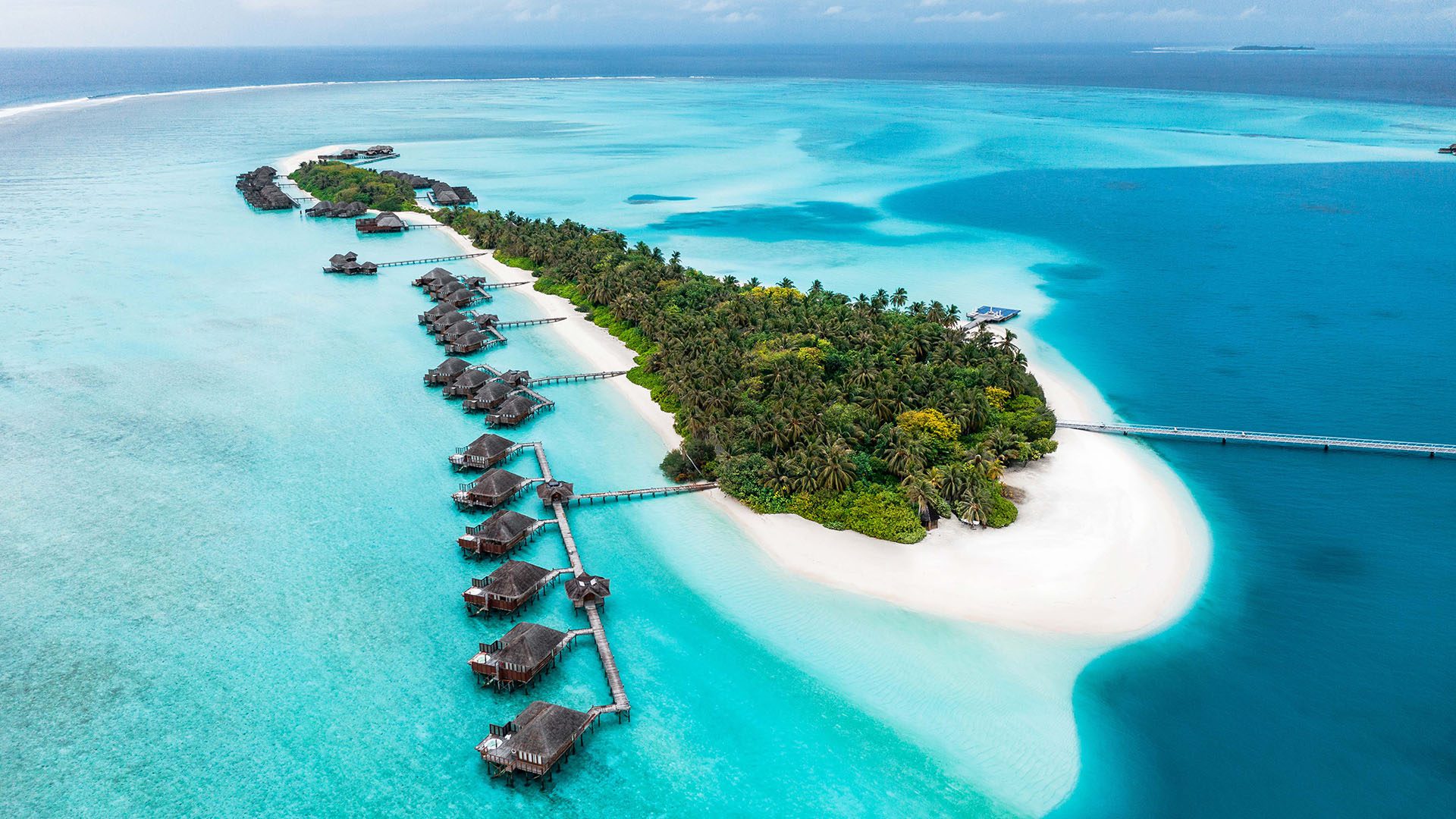
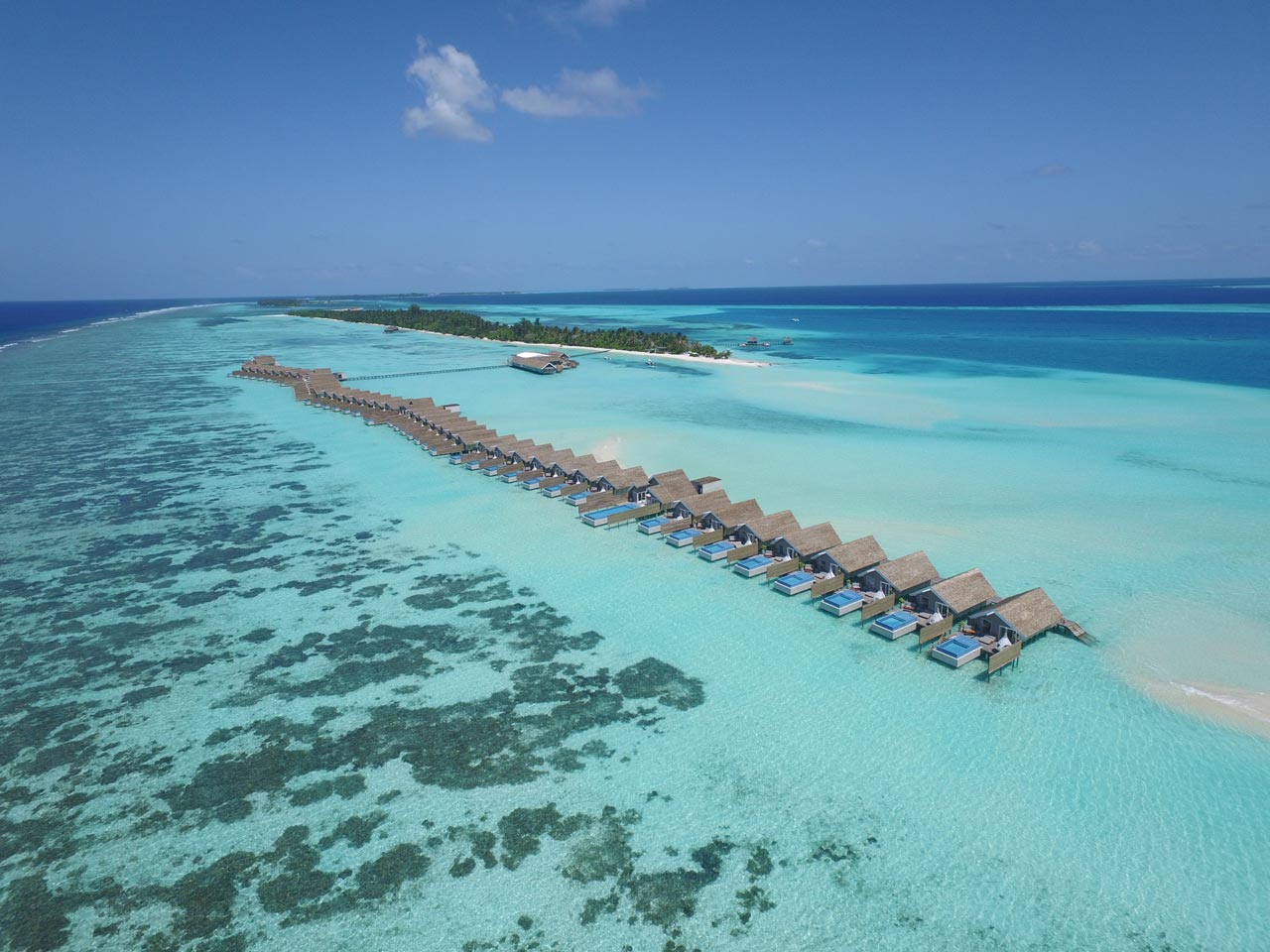
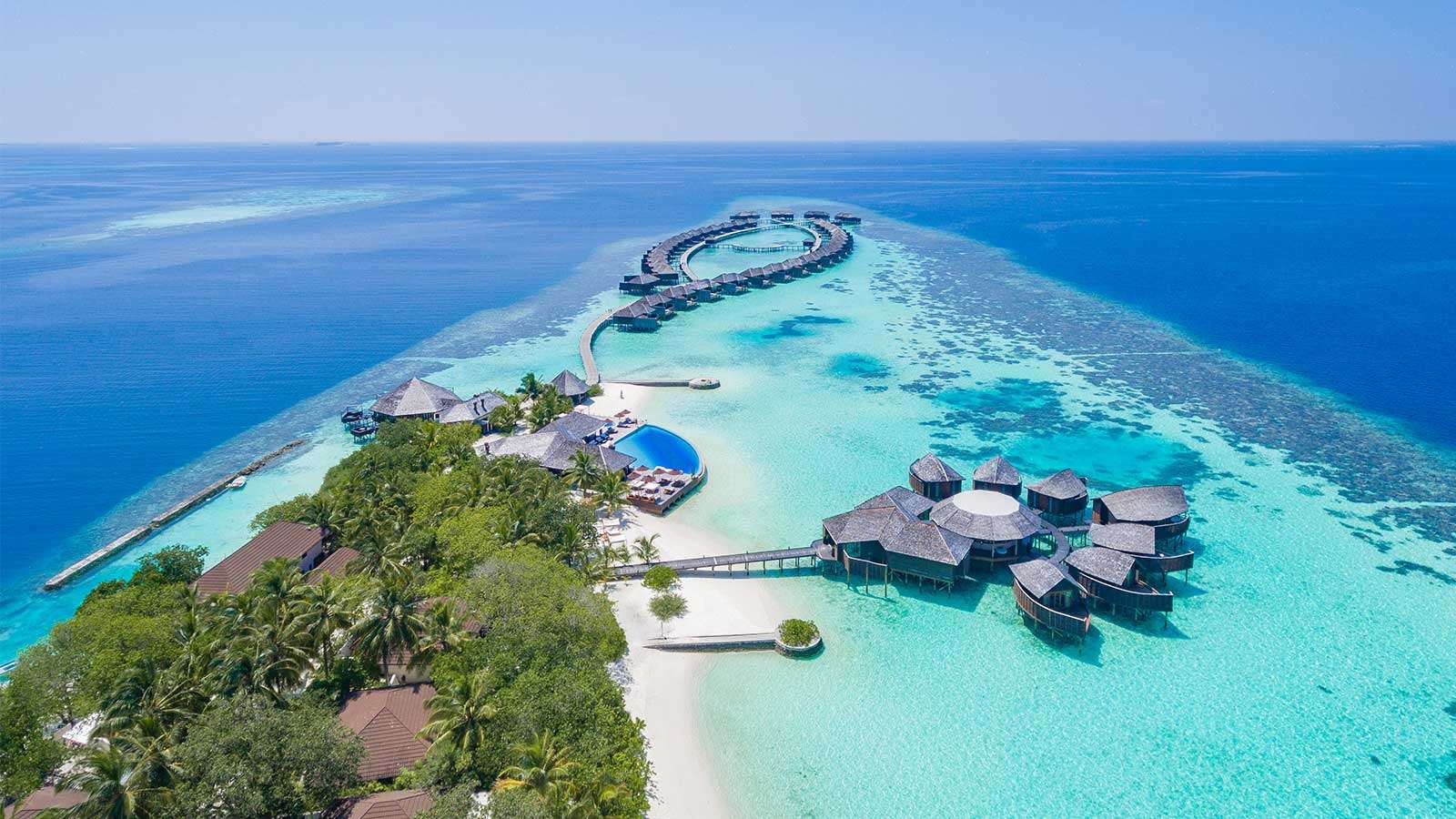
Where you base yourself matters more than when you come — and how you book changes the price more than the season does. The South Ari resorts sit inside or alongside the protected reef, fifteen to thirty minutes from the cruising sites, and run their own half-day excursions at roughly USD 150 to 280 a head; Conrad Rangali, Vilamendhoo and LUX* South Ari are all on this stretch. The long sandbar of Dhigurah next door, with Maamigili, has built an entire low-key guesthouse scene around the same reef — daily snorkel boats with gear and lunch run nearer USD 80 to 150, the cheapest way in and the reef on your doorstep. A liveaboard is the third option, ranging across several atolls over a week for somewhere around USD 2,500 to 4,000 — more boat than the whale sharks alone require, but the way to pair them with the wider Ari diving.
If South Ari is on your shortlist, our South Ari Atoll guide compares every resort on the reef — from Dhigurah's guesthouses to Conrad Rangali — alongside the Maamigili back door and which marine centres run the most responsible whale-shark trips.