Maldives surf is the story of one man and one accident. In December 1973, an Australian surfer named Tony Hinde was shipwrecked on a Maldivian reef while crewing a yacht up from Sri Lanka. Stranded for months, he found a nation of empty, world-class reef breaks — and never really left. He named the waves, kept them secret for roughly fifteen years, took Maldivian citizenship, converted to Islam, and in 1989 founded the country's first surf operation at the long, peeling left of Pasta Point. When surf photographers finally exposed the breaks in the early 1990s, the modern Maldives surf industry was born. Hinde died, fittingly, surfing Pasta Point in 2008.
The breaks, by region
The surf falls into three bands. The North and South Malé Atolls are the original and most-surfed zone — a dense cluster of named breaks (Sultans, Honkys, Jailbreaks, Cokes, Chickens, Lohis, Pasta Point) close to the airport, and consequently the busiest. The Central Atolls — Meemu, Laamu — are a quieter middle ground. And the Outer and Southern Atolls, above all Huvadhoo and Addu, are the bigger, emptier frontier, reached mostly by boat, where you can still surf a perfect wall with nobody else out. The conditions are remarkably uniform across all of them: warm water around 28–30°C and mostly mid-tide reef breaks — long rights and lefts that peel along coral, not beach breaks.
When to go
The swell comes on the southwest monsoon, roughly March or April through October, peaking June to August for the biggest, most consistent surf; the far-southern atolls also fire in the February-to-April and September-to-November shoulders. The water is warm enough that you'll never need a wetsuit. It's worth being honest about level: these are reef breaks over shallow coral, with reef cuts, current and boat transfers part of the deal. There are forgiving long-walling points for improving surfers, but plenty of shallow, advanced-only barrels too — the Maldives is not a beach-break learner's destination.
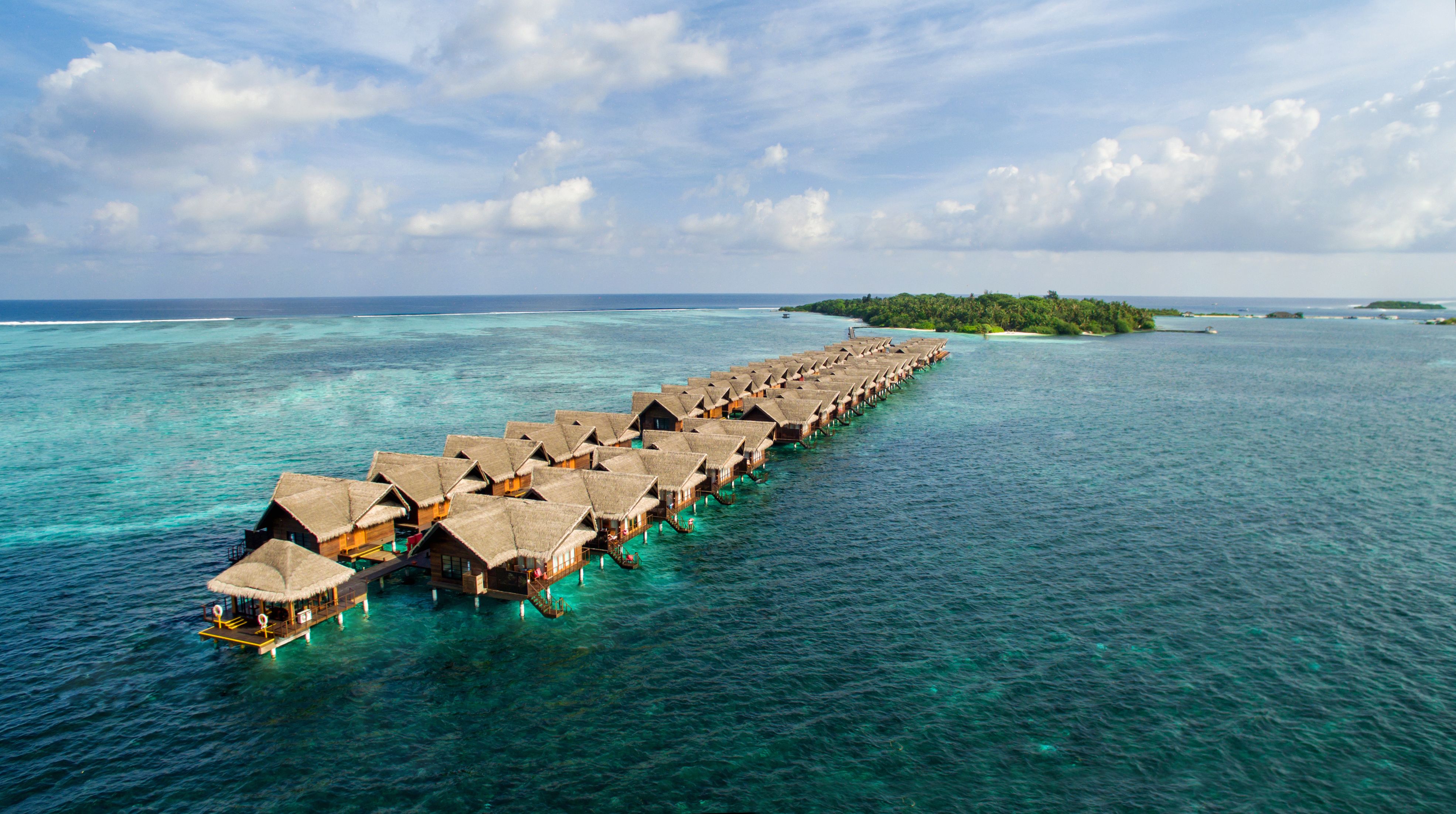
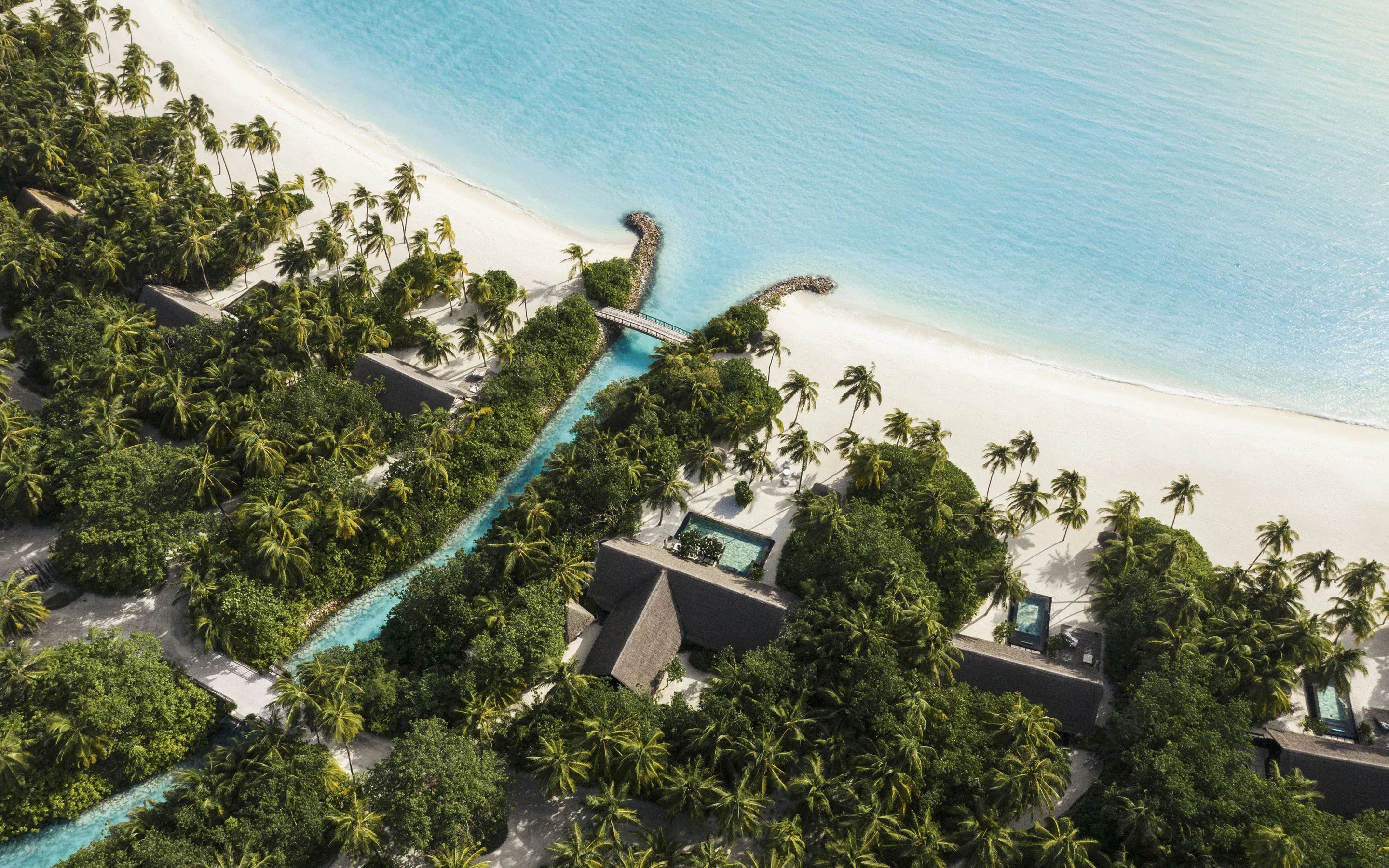
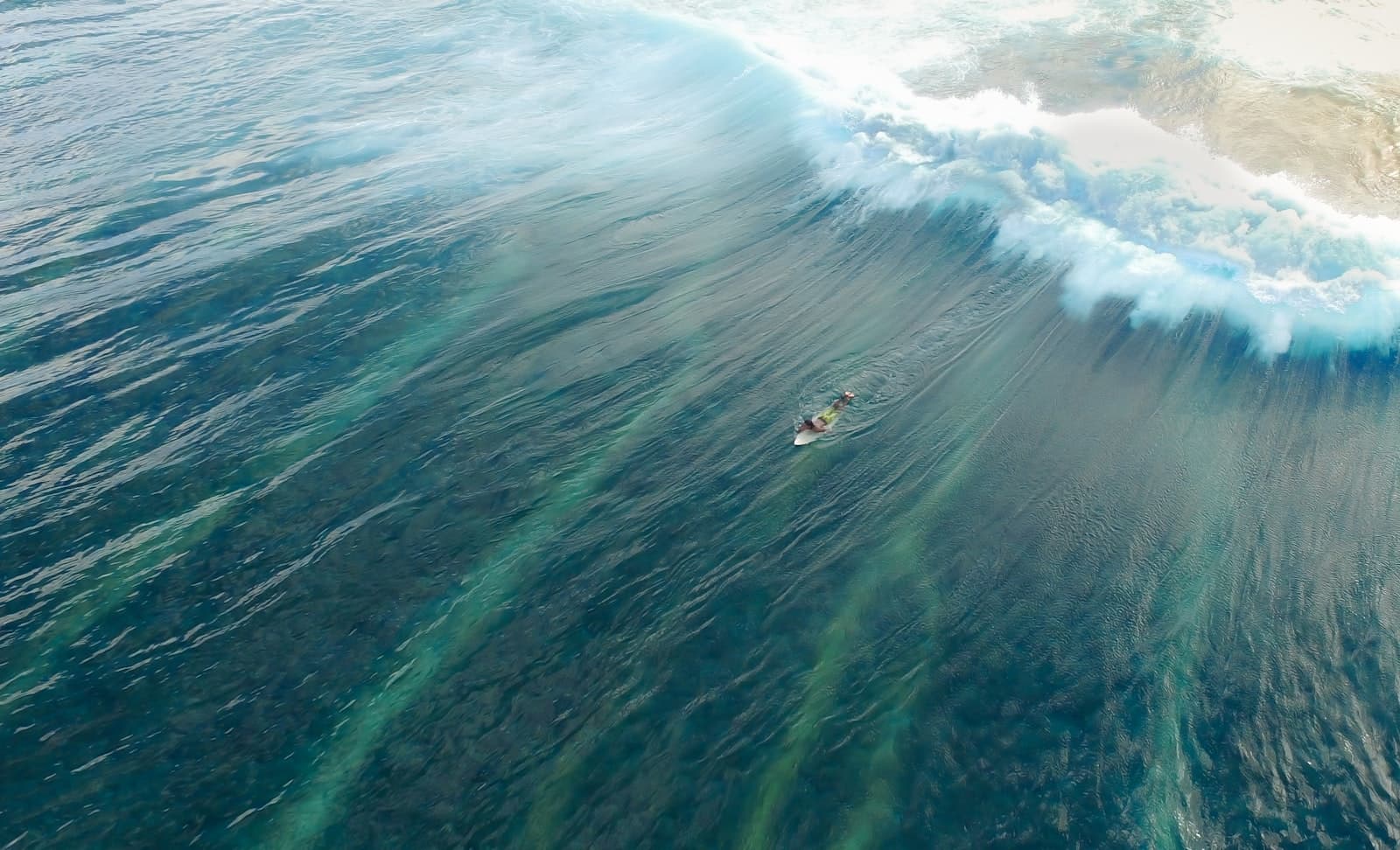
Warm water, no wetsuit, long reef walls — and, in the deep south, a perfect wave with nobody else on it.
How to score it
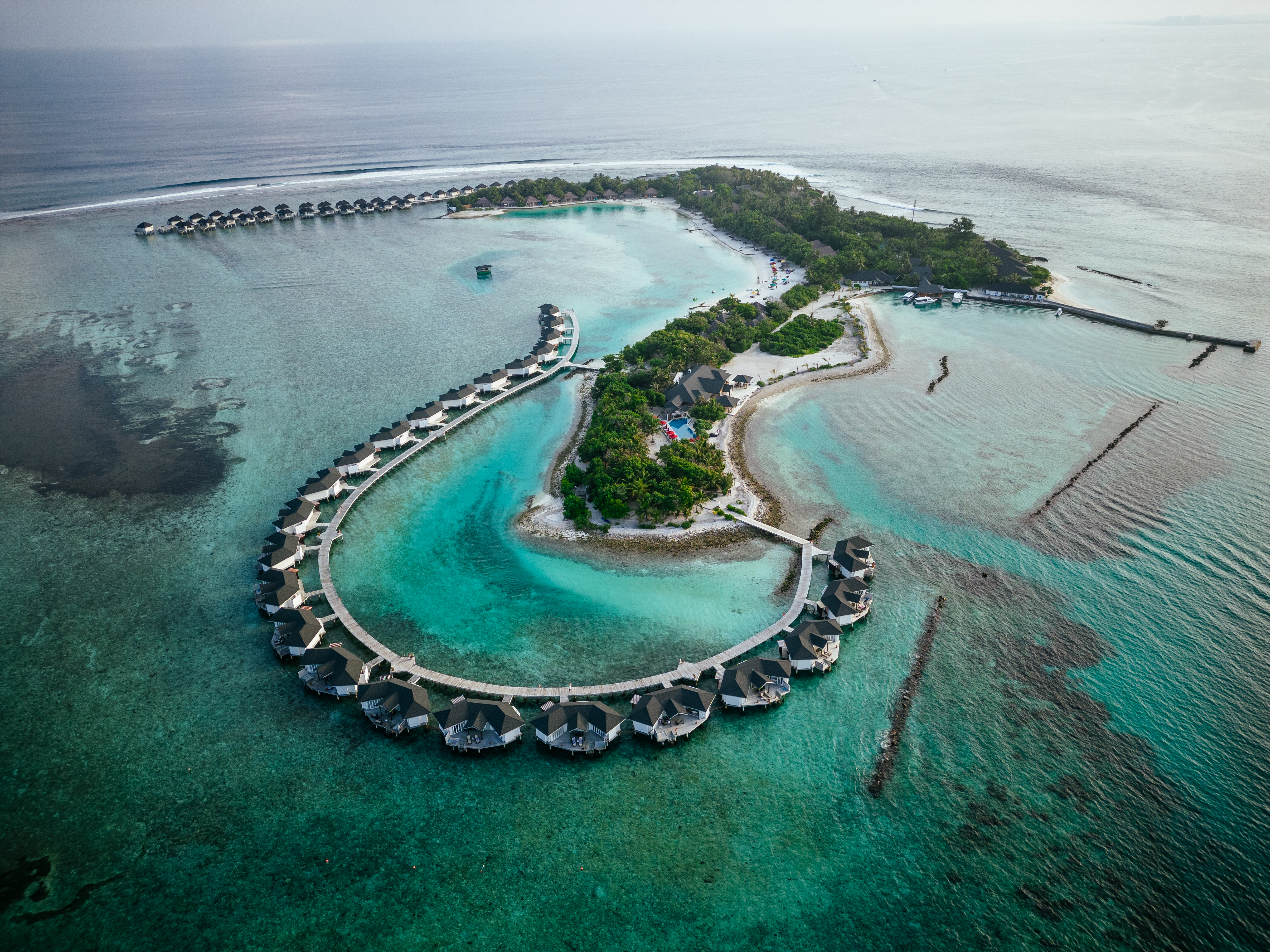
There are two ways to do a Maldives surf trip. The first is a semi-exclusive surf resort that caps surfer numbers on a near-private break — places like Cinnamon Dhonveli at Pasta Point or Adaaran Hudhuranfushi at Lohis — which is comfortable, family-friendly and predictable, but limited to a handful of breaks within day-boat range, and busier in peak season. The second is a charter or surf liveaboard, typically seven to twelve nights with a dozen guests, that chases the empty outer atolls for dawn-patrol and sundown sessions well beyond resort reach. Where you base yourself also decides how you get there: the famous North and South Malé breaks are a 20–30-minute speedboat hop from Velana airport at Malé, which is why they were the first to be surfed and stay the busiest, while the outer atolls — Huvadhoo and Addu — mean a domestic flight and a boat, or a liveaboard that takes you the whole way. The trade is comfort against wave count and crowd: a surf resort runs from a few hundred to over seven hundred dollars a night, a week-plus charter a few thousand dollars per person, and the charter is what buys you the empty wall. Expect crowds at the famous North Malé breaks in July and August; expect near-solitude in Huvadhoo. Wear reef booties, respect the limited-access break rules, and surf within your level over that shallow coral.
The classic surf breaks cluster in the Malé atolls, minutes from the airport — our North Malé Atoll guide covers the resorts (surf-access and otherwise), the transfers and what else there is to do.